Have you ever wondered how much electricity your coffee maker truly consumes, or if that old TV is silently draining power even when it’s off? In today’s smart homes, the desire for greater control and efficiency is paramount, and a Smart Plug With Energy Monitoring is your secret weapon. These ingenious devices don’t just add convenience; they provide a window into your energy consumption, empowering you to make smarter choices and save money. It’s about turning passive power users into active participants in your home’s energy story.
What Are Smart Plugs and Why Are They Important?
At its core, a smart plug is a simple adapter that plugs into any standard wall outlet, instantly transforming a regular appliance into a “smart” one. This means you can control it remotely via a smartphone app, set schedules, and even use voice commands through assistants like Alexa or Google Home. But when we talk about a smart plug with energy monitoring, we’re diving into a whole new level of functionality. These advanced plugs don’t just switch things on and off; they actively measure and report the electricity usage of anything plugged into them. This data is incredibly valuable, as it allows you to pinpoint energy hogs, understand consumption patterns, and ultimately reduce your electricity bill. It’s about moving beyond guesswork and taking informed action.
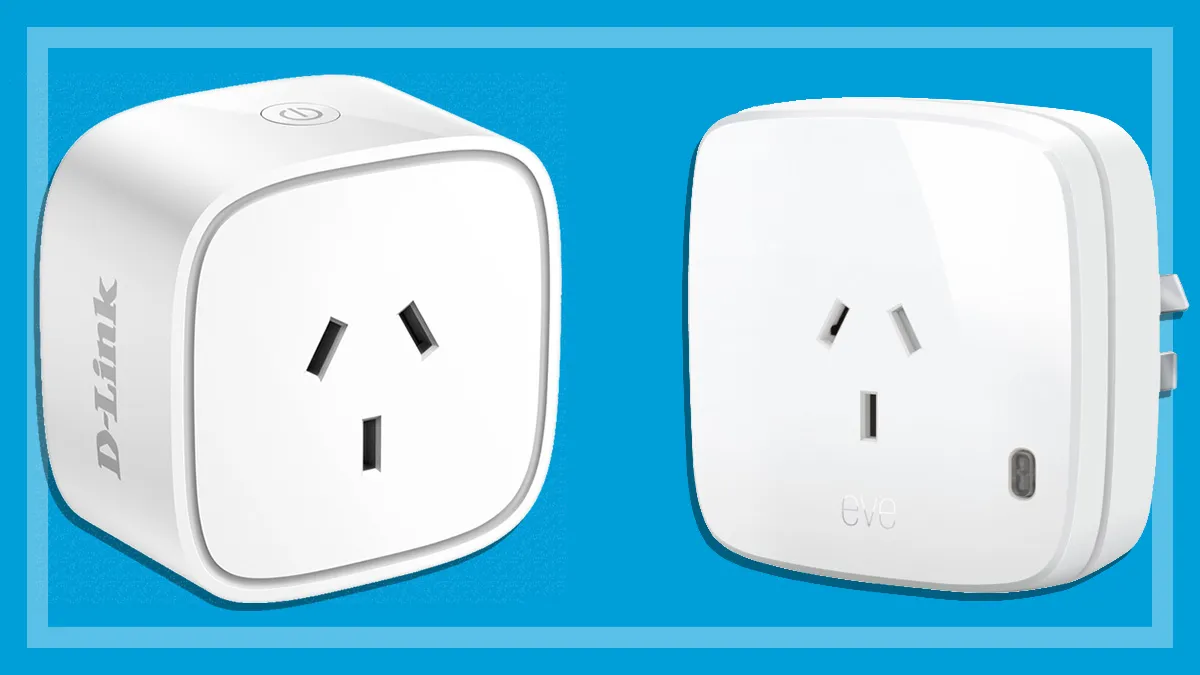
Making the Leap: Why Smart Plugs with Energy Monitoring Are a Home Essential
Smart plugs have become incredibly popular because they offer an accessible entry point into home automation. They transform mundane tasks into effortless routines, letting you power on your lights before you even step through the door or ensure your curling iron is off from miles away. But the addition of energy monitoring elevates these devices from mere convenience to crucial tools for modern, cost-conscious, and eco-aware households.
Imagine the peace of mind knowing you can see exactly how much power your space heater is drawing, or track the cumulative energy use of your entertainment system over a month. This insight is what truly makes a smart plug with energy monitoring an essential part of any intelligent home setup. They provide the actionable data needed to identify inefficiencies, optimize usage, and even extend the lifespan of your appliances by managing their operation more effectively. This blend of remote control, automation, and detailed power analytics makes them indispensable for anyone looking to truly master their home’s energy profile.
How Smart Plugs with Energy Monitoring Work and What You Need to Get Started
So, how does this magic happen? A smart plug with energy monitoring is a miniature marvel of engineering. Inside, specialized circuitry measures both the voltage (the “push” of electricity) and the current (the “flow” of electricity) passing through it. These measurements are then used by an internal microcontroller to calculate real-time power consumption (in watts) and track cumulative energy usage over time (in kilowatt-hours, or kWh). This data is then transmitted via your home’s Wi-Fi network (or sometimes Zigbee, Z-Wave, or the emerging Matter standard) to a dedicated smartphone app.
To get started, you’ll need just a few things:
- A Smart Plug with Energy Monitoring: Naturally! Choose one compatible with your preferred smart home ecosystem (e.g., Google Home, Alexa, Apple HomeKit).
- A Smartphone or Tablet: To download the accompanying app for setup, control, and data viewing.
- A Stable Wi-Fi Network (2.4GHz): Most smart plugs rely on this for communication. Ensure good signal strength where you plan to install the plug.
- An Electrical Outlet and an Appliance: Plug your smart device into the wall, and your appliance into the smart plug.
Once these components are in place, you’re ready to unlock a world of energy insights and smart control.
A Simple Guide to Installing and Using Your Smart Plug with Energy Monitoring
Setting up a smart plug with energy monitoring is surprisingly straightforward, designed for even the least tech-savvy user.
- Unbox and Plug It In: Take your new smart plug out of its packaging and plug it directly into a standard wall outlet.
- Download the App: Scan the QR code on the packaging or search for the brand’s app in your smartphone’s app store (e.g., Kasa, Tapo, Emporia, Eve Home).
- Create an Account & Connect: Open the app, create an account, and follow the on-screen prompts to add a new device. The app will guide you through connecting the smart plug to your home’s 2.4GHz Wi-Fi network. This usually involves a few simple steps, like putting the plug into pairing mode (often indicated by a blinking light).
- Plug in Your Appliance: Once the smart plug is connected to your Wi-Fi, plug the appliance you wish to monitor and control into the smart plug.
- Start Monitoring and Controlling: You can now use the app to turn the appliance on or off, set schedules, and, most importantly, view its real-time and historical energy consumption data. You can also integrate it with your voice assistant for hands-free control.
Tips and Tricks to Maximize the Utility of Your Smart Plug with Energy Monitoring
Getting a smart plug with energy monitoring is just the beginning. Here’s how to truly master it and make a significant impact on your energy habits:
- Identify Energy Hogs: Plug in various appliances one by one (or in rotation) and observe their energy consumption over a few days or weeks. You might be surprised to find which devices are consuming the most power. Is it an old mini-fridge? A constantly charging laptop? This data helps you prioritize where to make changes.
- Combat “Vampire Drain”: Many electronics consume “phantom power” even when turned off but still plugged in. Think TVs, gaming consoles, phone chargers, and even kitchen gadgets. Use your smart plug to completely cut power to these devices when not in use, especially overnight or when you leave the house. You’ll be amazed at how much this “vampire drain” can add up.
- Optimize Schedules for Off-Peak Hours: If your electricity plan has variable rates, schedule high-demand appliances like dishwashers or washing machines to run during off-peak hours when electricity is cheaper. Your smart plug can automate this entirely.
- Set Up Alerts for Abnormal Usage: Many smart plug apps allow you to set thresholds. If a device’s power consumption suddenly spikes (e.g., a refrigerator motor working overtime) or an appliance remains on for an unusually long period, you can receive an alert, signaling a potential issue or forgotten device.
- Create Smart Scenes and Routines: Link your smart plug with other smart home devices. For example, turn off all entertainment center devices when your smart thermostat detects nobody is home, or have your bedside lamp turn on automatically with a specific voice command.
Benefits of Smart Plugs with Energy Monitoring: Save Energy, Enhance Safety, and Boost Convenience
The advantages of integrating a smart plug with energy monitoring into your home extend far beyond simply turning lights on and off.
Energy Savings: Your Personal Energy Auditor
The most compelling benefit is the ability to genuinely reduce your energy consumption and, consequently, your electricity bills. By providing real-time and historical data on individual devices, these plugs act as your personal energy auditors. You can:
- Spot Wasteful Devices: Easily identify which appliances are using the most power, allowing you to decide whether to use them less, replace them with more efficient models, or simply unplug them when not needed.
- Eliminate Standby Power: As mentioned, phantom loads are real. Smart plugs can completely cut power to devices, eradicating this wasted energy.
- Optimize Usage Patterns: Learn when and how long specific devices are typically used and adjust schedules for maximum efficiency. Running your pool pump during off-peak hours, for instance, can lead to significant savings over time.
Enhanced Safety: Peace of Mind in a Connected World
Smart plugs also contribute to a safer home environment.
- Remote Power Cut-Off: Ever rush out the door and wonder if you left the curling iron or stove on? With a smart plug, you can check and turn off any connected appliance remotely from your phone, no matter where you are.
- Overload Protection: Many smart plugs include built-in overload protection, automatically cutting power if an appliance draws too much current, preventing potential electrical hazards.
- Child Safety: Prevent children from accidentally turning on dangerous appliances by keeping them off via the app or setting schedules.
Unparalleled Convenience: A Smarter Way to Live
Beyond savings and safety, the convenience offered by these devices is transformative.
- Remote Control: Turn devices on or off from anywhere with an internet connection. Want your home to look occupied while you’re away? Schedule lights to turn on and off.
- Automation and Scheduling: Set daily or weekly schedules for lights, fans, coffee makers, and more. Wake up to freshly brewed coffee, or have your living room lights dim automatically at bedtime.
- Voice Control: Integrate with smart assistants like Amazon Alexa, Google Assistant, or Apple HomeKit for effortless, hands-free operation. “Hey Google, turn off the fan!”
- Simplified Home Management: For those managing rental properties or small offices, individual device monitoring provides invaluable data for energy audits and operational efficiency.
“Smart plugs with energy monitoring are not just about tech gadgets; they’re about empowering homeowners with knowledge and control,” says Dr. Lena Chen, a leading smart home technology analyst. “Understanding your energy footprint at the device level is the first, most crucial step towards true energy independence and a sustainable lifestyle.”
Advanced Features and Smart Home Ecosystem Integration
The world of smart plugs is constantly evolving, with new features and broader integration becoming standard. Many smart plugs with energy monitoring now offer:
- Detailed Analytics and Reporting: Beyond real-time data, apps often provide historical graphs, daily, weekly, or monthly summaries, and even estimated cost breakdowns, helping you visualize your energy habits.
- Smart Home Ecosystem Compatibility: Most popular smart plugs seamlessly integrate with major platforms like Amazon Alexa, Google Home, and Apple HomeKit, allowing you to manage all your smart devices from one central app or with voice commands. Some, like Eve Energy, offer direct HomeKit integration.
- Matter Protocol Support: The newest trend in smart home connectivity, Matter, aims to create a unified standard across devices and brands. While energy monitoring support in Matter is still developing, newer smart plugs like TP-Link Kasa’s KP125M are embracing this standard, promising even greater compatibility and future-proofing for your smart home setup. This means less worry about which brand works with which, and more focus on the features you need.
- Integration with IFTTT: Many plugs support “If This, Then That” (IFTTT) recipes, allowing for highly customized automations between your smart plug and hundreds of other apps and devices.
Frequently Asked Questions About Smart Plugs with Energy Monitoring
Q1: Do smart plugs actually save money on electricity bills?
A1: Yes, smart plugs with energy monitoring can absolutely save you money. While the plug itself consumes a minimal amount of power (typically 1-2 watts), it enables you to identify and reduce energy waste from individual appliances, especially by eliminating “vampire drain” and optimizing usage schedules, which collectively leads to significant savings.
Q2: How accurate is the energy monitoring feature?
A2: Most reputable smart plugs with energy monitoring offer highly accurate readings of voltage, current, and power consumption. They often use specialized chips (like STPM10 or BL0937) for precise measurements, typically with less than 0.1% error, providing reliable data for your energy management.
Q3: Can I monitor energy usage from multiple smart plugs in one app?
A3: Yes, most smart plug brands provide a centralized app where you can view and manage all your connected smart plugs, including their individual energy consumption data, from a single dashboard. This makes it easy to compare usage and manage your entire home’s energy profile.
Q4: Are smart plugs safe for all appliances?
A4: Smart plugs are generally safe for most household appliances. However, it’s crucial to check the plug’s maximum wattage and amperage ratings. High-power appliances like electric heaters, air conditioners, or large kitchen appliances may require heavy-duty smart plugs designed to handle higher loads (e.g., 15A or 16A). Always ensure the appliance’s power draw does not exceed the smart plug’s rating.
Q5: What is “vampire power” or “standby power loss”?
A5: “Vampire power,” also known as “standby power loss,” refers to the electricity consumed by electronic devices even when they are turned off but still plugged into an outlet. Devices like TVs, chargers, and gaming consoles constantly draw a small amount of power to maintain certain functions (e.g., remote control readiness), which can add up significantly over time.
Q6: Do smart plugs require a hub to work?
A6: Many smart plugs operate directly via Wi-Fi and do not require a separate hub. However, some smart plugs use other protocols like Zigbee or Z-Wave, which do require a compatible hub (e.g., SmartThings, Aqara Hub) to function. The emerging Matter standard aims to simplify this, allowing broader compatibility without a dedicated brand hub.
Embrace a Smarter, More Efficient Home
The journey towards a more energy-efficient and connected home is an exciting one, and a smart plug with energy monitoring is a powerful tool to have in your arsenal. They demystify your energy consumption, highlight areas for improvement, and seamlessly integrate into your daily life with unparalleled convenience and enhanced safety. By providing real-time data and remote control, these unassuming devices empower you to take charge of your energy usage, save money, and contribute to a more sustainable future. So, why wait? Start experimenting with smart plugs today and unlock the full potential of your home’s energy intelligence.