The hum of an air conditioner in a sweltering room is a sound of pure relief. But what if you could control that comfort, and perhaps even save on your energy bills, with a simple device? Enter the Smart Plug For Air Conditioner units – a seemingly straightforward upgrade promising a smarter, more efficient way to manage your home cooling. While the allure of smart control is strong, integrating an AC with a smart plug comes with specific considerations and nuances you absolutely need to understand. Let’s dive deep into how these devices work, their benefits, limitations, and how to choose the right solution for your cooling needs.
What is a Smart Plug and Why Do They Matter for Your Home?
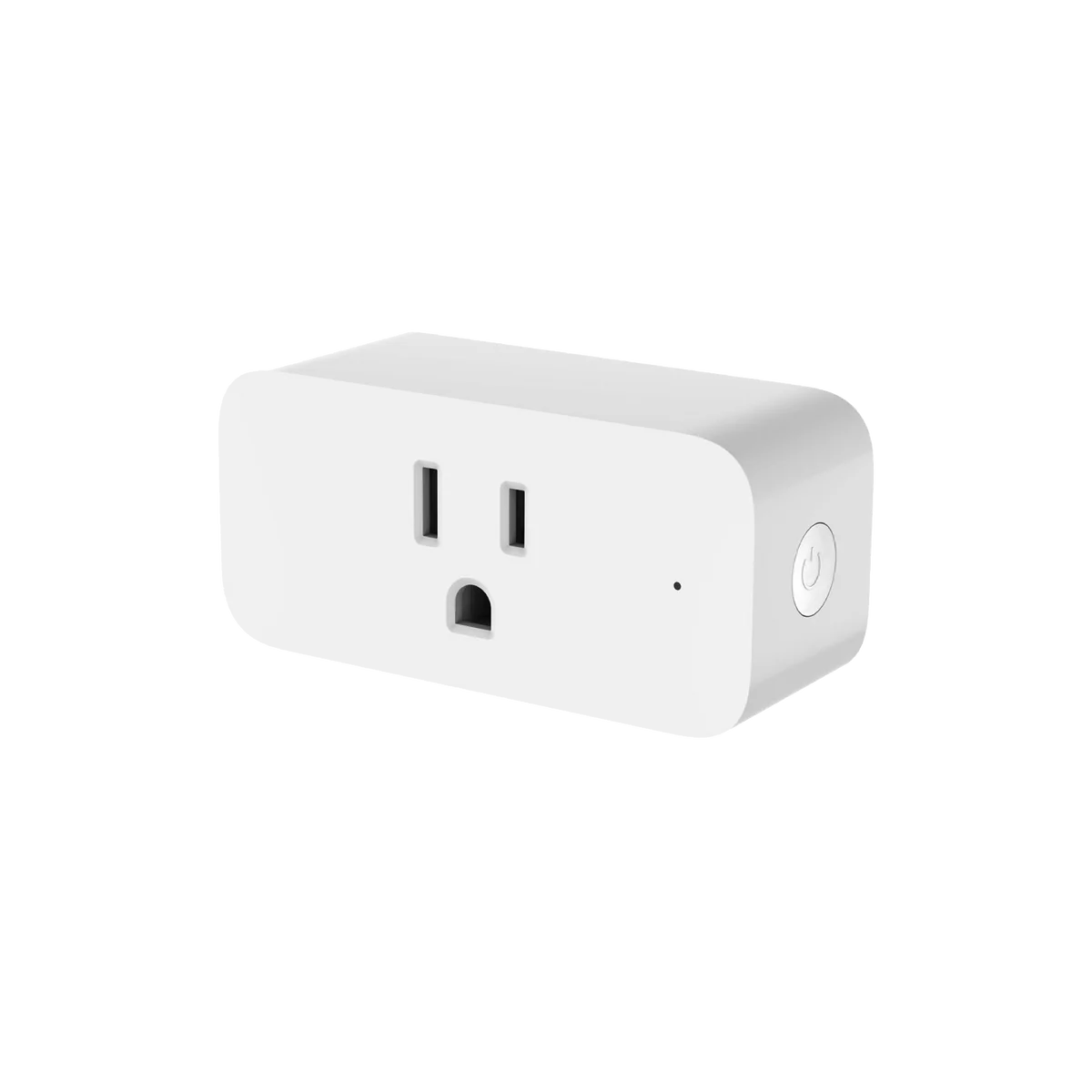
At its core, a smart plug is an adapter that fits between your appliance and the wall outlet, turning any “dumb” electronic device into a smart one. These small gadgets connect to your home Wi-Fi network, allowing you to control the plugged-in appliance remotely via a smartphone app or voice commands. They matter because they introduce a layer of convenience, automation, and often energy awareness into your daily life. Imagine turning off a forgotten curling iron from miles away or scheduling your coffee maker to brew just as you wake up. Smart plugs bring this magic to ordinary household items.
Understanding Smart Plugs and Air Conditioners: Can They Work Together?
The short answer is: yes, but with critical caveats. Not all smart plugs are created equal, especially when it comes to power-hungry appliances like air conditioners. A smart plug for an air conditioner is specifically designed to handle the substantial electrical load an AC unit demands, which is often much higher than typical lamps or small electronics.
The Nuance: Power Ratings Are Paramount
The most crucial factor when considering a smart plug for your AC is its power rating, typically measured in amperes (A) and watts (W). Standard smart plugs are often rated for 10A or 15A (around 1200W-1800W in a 120V system). However, many window or portable air conditioners can draw 10A to 15A, and critically, their compressors experience a significant power surge during startup. Using an under-rated smart plug for an AC can lead to overheating, arcing, premature plug failure, and even potential fire hazards. For this reason, it is strongly recommended to use a smart plug rated for at least 16A (or 1800W to 2000W) and preferably one with built-in surge and overload protection.
AC Type Matters
Smart plugs are generally suitable only for ductless air conditioners, such as portable AC units or window ACs. They are not typically used for central air conditioning systems or mini-split systems that require more sophisticated control over temperature, fan speed, and modes. For these, a dedicated smart thermostat or an IR (infrared) blaster designed for AC control is a more appropriate and functional solution.
The AC’s Default State
Another important consideration is how your specific air conditioner behaves after a power interruption. Some modern AC units have a “default off” state. This means if you cut the power using a smart plug and then restore it, the AC will not automatically turn back on. You’d still need to manually switch it on with its remote or control panel, severely limiting the “smart” benefit of the plug. It’s a good idea to test your AC’s behavior by simply unplugging it for 15 seconds and then plugging it back in to see if it powers on automatically.
How Smart Plugs for ACs Work and What You Need to Get Started
When appropriately rated, a smart plug functions as a remote on/off switch for your air conditioner. Here’s a breakdown:
- Connectivity: The smart plug connects to your home’s 2.4GHz Wi-Fi network.
- App Control: You manage the plug through a dedicated smartphone app provided by the manufacturer.
- Power Interruption: When you command the smart plug to turn off, it cuts the electrical current to the AC unit, effectively switching it off. Conversely, turning it on restores power.
To get started with a smart plug for your air conditioner, you’ll need:
- A High-Rated Smart Plug: As discussed, ensure it’s rated for 16A or higher with safety features like overload protection.
- A Compatible AC Unit: A ductless, portable, or window AC unit that ideally resumes its previous state (or at least turns on) after a power interruption.
- Stable Wi-Fi Connection: A reliable 2.4GHz Wi-Fi network in the area where your AC is located.
- Smartphone: For downloading the control app and managing settings.
Setting Up Your Smart Plug for Air Conditioner: A Step-by-Step Guide
Setting up your smart plug is usually a straightforward process:
- Unbox and Download: Take your smart plug out of its packaging and download the manufacturer’s dedicated app to your smartphone.
- Plug in the Smart Plug: Insert the smart plug into the wall outlet where your AC is currently plugged in.
- Connect to Wi-Fi: Open the app and follow the on-screen instructions to connect the smart plug to your home’s Wi-Fi network. This often involves creating an account and pairing the device.
- Plug in Your AC: Once the smart plug is configured, plug your air conditioner’s power cord into the smart plug.
- Test Functionality: Use the app to turn the smart plug (and thus your AC) on and off. Check if your AC responds as expected. Perform the unplugging test mentioned earlier to ensure your AC unit powers back on correctly.
Maximizing Utility: Tips and Tricks for Your Smart AC Plug
Once your smart plug is set up and working safely with your AC, you can unlock several benefits:
- Remote Control: Forgot to turn off the AC before leaving for work? No problem. You can switch it off from anywhere using your smartphone app, saving energy. Coming home to a stuffy apartment? Turn on the AC an hour before you arrive to pre-cool your space.
- Scheduling: Create custom schedules to have your AC turn on or off at specific times of the day or week. For instance, you can program it to run during peak heat hours and turn off when you’re usually out, or power down overnight as temperatures drop.
- Energy Monitoring: Many high-quality smart plugs come with energy monitoring features. This allows you to track your AC’s real-time and historical power consumption, helping you identify energy hogs and optimize usage to lower your electricity bills.
- Voice Control Integration: Most smart plugs integrate seamlessly with popular voice assistants like Amazon Alexa and Google Assistant. Simply say, “Alexa, turn on the living room AC,” for hands-free cooling control.
- Basic Automations: While not as sophisticated as dedicated smart AC controllers, you can still set up simple automations. For example, some smart home hubs can be configured to turn off connected appliances (including your AC via a smart plug) when you leave home and your system switches to “away” mode.
The Real Benefits of Using a Smart Plug for Your Air Conditioner
When used correctly with a compatible, high-rated smart plug, you can enjoy several advantages:
- Significant Energy Savings: By preventing your AC from running unnecessarily, such as when no one is home or during cooler parts of the day, you can notably reduce your energy consumption and, consequently, your electricity bills.
- Enhanced Convenience: The ability to control your AC remotely, set schedules, and use voice commands adds a layer of modern convenience to your home environment. No more fumbling for remotes or getting up to adjust the unit.
- Potential Safety (with the right plug): While using the wrong plug can be a hazard, a properly rated smart plug with thermal and overload protection can actually enhance safety by automatically shutting off power in case of a spike or anomaly.
Limitations and When to Consider a Smart AC Controller Instead
Despite their advantages, smart plugs have distinct limitations when it comes to air conditioners:
- No Fine-Grained Control: This is the biggest drawback. A smart plug only turns the power on or off. It cannot adjust the temperature, change the cooling mode (e.g., cool, fan, dry), or alter the fan speed. For these functions, you’ll still need your AC’s remote control.
- AC Reset Issues: As mentioned, if your AC defaults to “off” after a power cut, the smart plug’s utility is severely hampered.
- Not for All AC Types: Central air conditioning systems, smart AC units, and most mini-splits are not designed to be controlled by simply cutting power. They require specialized smart thermostats or universal IR remote controllers (often called smart AC controllers) that mimic your AC’s remote to send specific commands. These dedicated controllers offer features like geofencing, advanced scheduling based on temperature, and integration with your AC’s internal settings.
Expert Insight: Choosing the Right Smart Plug for Your AC
“When considering a smart plug for your air conditioner, the golden rule is ‘know your power.’ Always ensure the smart plug’s amperage rating significantly exceeds your AC unit’s maximum draw, particularly during startup surges. Overlooking this can lead to safety hazards and device failure,” advises Dr. Anya Sharma, a leading expert in smart home energy management. She emphasizes, “For truly intelligent AC management beyond simple on/off, especially for mini-splits or central units, invest in a dedicated smart AC controller or thermostat. Smart plugs are best for basic remote power cycling of compatible window or portable units, paired with careful monitoring.”
Frequently Asked Questions About Smart Plugs for Air Conditioners
Q: Can any smart plug work with an AC?
A: No, absolutely not. You must use a smart plug specifically rated for high-wattage appliances, typically 16A or higher, to safely handle the power demands and startup surges of an air conditioner.
Q: What amperage smart plug do I need for an AC?
A: For most window or portable air conditioners, a smart plug rated for at least 16A is recommended. This provides enough headroom for the AC’s operational load and startup surges.
Q: Will a smart plug damage my AC?
A: An under-rated smart plug can fail, potentially damaging itself or even creating a fire hazard due to overheating. However, a properly rated smart plug with built-in safety features is unlikely to damage your AC unit, though some ACs may not power back on automatically after a power cut.
Q: Can I control AC temperature with a smart plug?
A: No, a smart plug only acts as a power switch to turn the AC on or off. It cannot communicate with your air conditioner to adjust temperature, change modes, or alter fan speed. For those functions, you would need a dedicated smart AC controller or smart thermostat.
Q: Are smart AC controllers better than smart plugs for AC?
A: For comprehensive control, yes. Smart AC controllers (like IR blasters or smart thermostats) offer advanced features such as temperature adjustment, mode changes, geofencing, and intelligent scheduling that a simple smart plug cannot provide. Smart plugs are a more basic, on/off solution.
Conclusion: Cooling Smarter, Not Harder
Integrating a smart plug with your air conditioner offers a tangible step towards a more connected and energy-efficient home. With the right high-capacity smart plug, you can enjoy the convenience of remote control, automated scheduling, and valuable energy consumption insights, leading to potential savings and enhanced comfort. However, it’s paramount to prioritize safety by choosing a plug that can safely handle your AC’s power demands. Understand the limitations: a smart plug offers basic power control, not the full suite of features found in a dedicated smart AC controller. By making an informed choice, you can truly leverage smart home technology to keep your cool smarter, not harder.