Ever felt a shiver down your spine opening a utility bill, wondering how your energy costs spiraled out of control? Or perhaps you’re just curious about how your daily routines truly impact your energy footprint. The good news is, taking charge of your energy usage has never been easier, thanks to the unassuming yet powerful device known as a plug-in smart meter. Often referred to as an In-Home Display (IHD), this gadget is your personal window into the world of your home’s energy consumption, putting real-time data and control right at your fingertips.
What Exactly is a Plug-In Smart Meter (In-Home Display)?
When we talk about a “plug-in smart meter” in the context of your home’s energy, we’re primarily referring to the In-Home Display (IHD) that typically accompanies your utility-installed smart meter. Think of it as the friendly interface to your smart meter’s brain. While your smart meter itself is the fixed device measuring your electricity and gas usage, usually tucked away in a cupboard or outside, the IHD is a small, portable screen you can place anywhere convenient in your home. It’s designed to be easily visible, offering instant insights into your energy use and its corresponding cost. This little marvel is a game-changer for anyone looking to truly understand and manage their home energy.
It’s crucial to distinguish this from a “smart plug,” which monitors the energy of a single appliance plugged into it. While both deal with energy monitoring, the plug-in smart meter (IHD) gives you a holistic view of your entire home’s energy consumption directly from your utility’s smart meter, encompassing all appliances, lighting, and heating. It’s like comparing a detailed financial report of your entire household budget to a single receipt from a coffee shop. Both are useful, but they serve different purposes.
How Does This Smart Device Work Its Magic?
The beauty of a plug-in smart meter, or IHD, lies in its simplicity and ingenious connectivity. It doesn’t rely on your home’s Wi-Fi network to communicate with your smart meter. Instead, these devices typically connect wirelessly through a secure, low-power network like the Home Area Network (HAN) or Zigbee protocol. This means a reliable connection without hogging your internet bandwidth or needing complicated setup. Your smart meter, installed by your energy provider, constantly collects data on your electricity and gas consumption. It then securely transmits this information to your IHD, often updating every few seconds for electricity and every half-hour for gas.
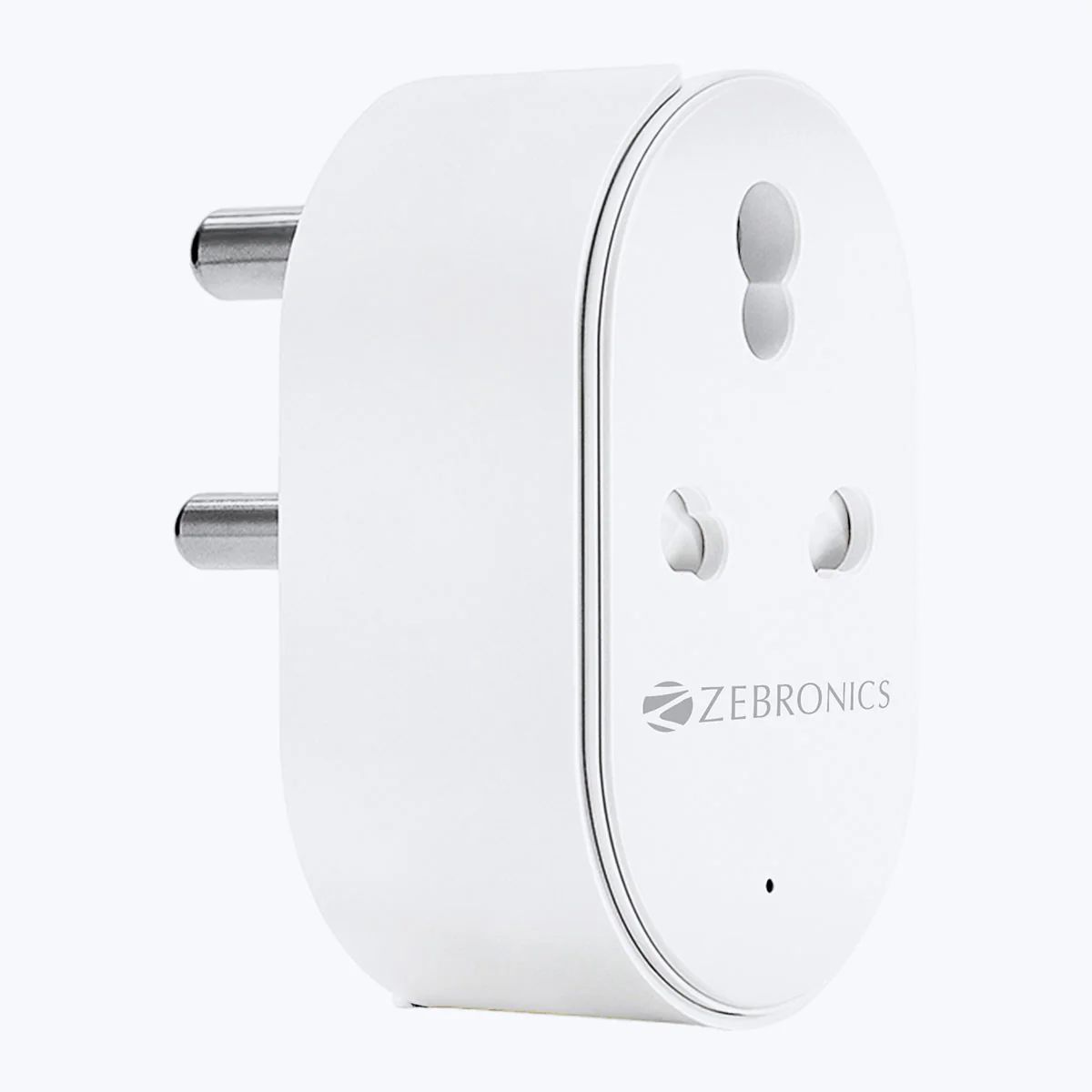
“The seamless, wireless communication between the smart meter and the IHD is a cornerstone of modern energy management,” explains Dr. Evelyn Reed, a leading expert in smart home technology and sustainable energy solutions. “It empowers homeowners with immediate data, breaking down complex energy flows into understandable insights without requiring an internet connection for its core functionality.”
Many IHDs are designed to be plugged into a standard wall socket, providing continuous power and ensuring constant monitoring. However, some models also feature internal rechargeable batteries, offering portability so you can carry them around your home to observe energy spikes when different appliances are switched on. For optimal performance, it’s generally recommended to keep your IHD within a certain range (often 10-15 meters) of your main smart meter to maintain a strong wireless signal.
Beyond the Basics: Unlocking the Benefits of Your Plug-In Smart Meter
Having a plug-in smart meter in your home isn’t just about seeing numbers; it’s about gaining unprecedented control and fostering smarter energy habits. The benefits ripple through your finances, your daily routines, and even your environmental impact.
Real-Time Cost Visibility
Perhaps the most immediate advantage is the real-time visibility of your energy costs. Instead of waiting for a monthly bill to deliver a shocking surprise, your IHD shows you how much you’re spending in pounds and pence (or your local currency) as you use energy. You can literally see the cost tick up when you boil the kettle, run the washing machine, or turn on the oven. This direct feedback loop is incredibly powerful, transforming abstract kilowatt-hours into tangible expenses you can influence.
Empowering Energy-Saving Habits
This real-time data empowers you to become an energy detective. Ever wondered which appliances are the biggest energy hogs? With your IHD, you can conduct simple experiments: observe your baseline usage, then switch on a specific appliance and watch how much your consumption jumps. This hands-on understanding helps you identify “energy vampires” – devices that consume power even when not actively in use – and prompts you to unplug them or use them more mindfully. Small changes, like turning off lights in empty rooms or reducing shower times, suddenly have a visible impact, encouraging sustainable behavioral shifts.
Accurate Billing and Smart Budgeting
Say goodbye to estimated bills and the frustration of overpaying or owing a large sum later. Your plug-in smart meter ensures your energy provider receives accurate readings automatically, so you only pay for the energy you actually use. What’s more, many IHDs come with built-in budgeting tools. You can set daily, weekly, or monthly spending targets, and your device will alert you if you’re approaching or exceeding your chosen limit. This financial planning feature is invaluable for household management, helping you stay on top of your utility expenses. Studies suggest that homeowners actively using their IHDs can reduce their energy bills by up to 15% through more informed usage.
Supporting a Greener Lifestyle
Beyond personal savings, the insights provided by your plug-in smart meter contribute to a larger environmental goal. By making you more aware of your energy consumption and enabling you to reduce it, you’re directly lowering your household’s carbon footprint. This aligns with global efforts towards sustainability and positions your home as a responsible participant in a greener future. It’s a small device making a big difference for the planet.
Seamless Prepayment Account Management
For households using prepayment meters, a plug-in smart meter offers unparalleled convenience. It displays your current credit balance in real-time, eliminating the need to physically check the meter in often inconvenient locations. Many IHDs also allow you to see your energy consumption in pounds and pence, even in prepayment mode, helping you budget effectively and avoid running out of credit unexpectedly. Some advanced models even enable you to top up your account directly through the display.
Making the Most of Your Plug-In Smart Meter: Tips and Tricks
Now that you understand the “why,” let’s dive into the “how” of maximizing your plug-in smart meter’s potential. Getting the most out of this device is simpler than you might think.
Understanding the Display
First things first, familiarize yourself with your IHD’s interface. While models vary by provider, common displays include:
- Current Usage: Often shown in kilowatt-hours (kWh) and your current cost per hour or minute. This is your live data.
- Historical Data: Look for options to view your consumption by day, week, month, or even year. This helps you spot trends and compare usage periods.
- Traffic Light System: Many IHDs feature color-coded lights (green for low usage, amber for medium, red for high) to give you an at-a-glance indication of your current energy draw.
- Tariff Information: Some displays can show your current energy prices, especially useful for time-of-use tariffs.
Using the Traffic Light System to Your Advantage
Don’t just observe the colors; respond to them. If you see the light turn red, take a moment to consider what high-energy appliances are currently running. Are they all necessary right now? Can some be used at a different time, or even turned off? This simple visual cue can be a powerful motivator for immediate action.
Setting and Sticking to Energy Budgets
Take advantage of the budgeting feature. Set a realistic daily or weekly energy spending target. When your IHD alerts you that you’re approaching your budget, it’s a cue to consciously reduce consumption for the rest of the period. This proactive approach prevents bill shock and instills disciplined energy habits.
Running “Energy Detective” Experiments
As mentioned, actively investigating your home’s energy consumption is incredibly enlightening. Turn off all non-essential items, note the baseline reading, then switch on individual appliances one by one. Watch the display and make a note of how much each item adds to your usage. You might be surprised by how much power some seemingly innocuous devices consume! This knowledge is your best weapon against high bills.
Plug-In Smart Meters in the Smart Home Ecosystem
While a plug-in smart meter (IHD) provides broad home energy insights, it also complements other smart home technologies. For instance, smart plugs that monitor individual appliances can offer granular data for specific devices that your IHD won’t isolate. By combining the whole-home overview from your IHD with the detailed appliance-level data from smart plugs, you create a truly comprehensive energy management system. Your IHD might show a high overall electricity spike, and then your smart plug data can pinpoint that it’s due to an old, inefficient washing machine. This synergy helps you make informed decisions, whether it’s adjusting usage patterns or considering an upgrade to a more energy-efficient appliance.
Frequently Asked Questions (FAQ)
Is a plug-in smart meter the same as a smart plug?
No, they are distinct. A plug-in smart meter (IHD) connects wirelessly to your utility’s smart meter to display your entire home’s gas and electricity consumption. A smart plug, conversely, is a device you plug into a wall outlet, and then an appliance plugs into it, allowing you to monitor and control only that specific appliance.
Do I need Wi-Fi for my plug-in smart meter?
Typically, no. Plug-in smart meters (IHDs) communicate directly with your main smart meter using a dedicated, secure wireless network like HAN or Zigbee, independent of your home’s Wi-Fi. This ensures reliability even if your internet is down.
What if my plug-in smart meter isn’t working?
First, ensure it’s plugged in (if it requires external power) or charged. Check if it’s within the recommended distance from your main smart meter (usually 10-15 meters) and that there aren’t too many thick walls obstructing the signal. If problems persist, contact your energy provider, as they are responsible for your smart meter system.
How accurate are these displays?
Plug-in smart meters (IHDs) receive data directly from your utility’s smart meter, which is precisely calibrated. Therefore, the readings on your IHD are highly accurate and reflect your actual energy consumption in near real-time.
Can I get a plug-in smart meter if I don’t have a smart meter installed?
No. The plug-in smart meter (IHD) is an accessory that works in conjunction with a utility-installed smart meter. If you don’t have a smart meter, you would first need to arrange for one to be installed by your energy provider.
Take Control with Your Plug-In Smart Meter
In a world increasingly focused on efficiency and sustainability, the plug-in smart meter stands out as a simple yet profoundly effective tool. It demystifies your energy consumption, transforming what used to be a guessing game into an informed, actionable process. By providing real-time data on your electricity and gas usage and its associated costs, it empowers you to make smarter choices, save money, and contribute to a healthier planet. So, embrace the power of knowledge, plug in your IHD, and embark on your journey to intelligent energy management. Your wallet and the environment will thank you.