Dreaming of a backyard that lights up with a single voice command, or a patio where string lights glow precisely when the sun sets? The allure of smart outdoor lighting, seamlessly integrated into your existing Philips Hue ecosystem, is undeniable. Many users eagerly search for a dedicated “Hue Smart Plug Outdoor” to extend their smart home magic beyond their walls. It’s a fantastic vision, offering unparalleled convenience and efficiency.
But here’s a crucial insight: as of now, Philips Hue does not offer an official, purpose-built outdoor smart plug. The standard Philips Hue Smart Plug, while brilliant for indoor use, is not designed to withstand the elements. However, this doesn’t mean your outdoor smart lighting dreams are out of reach. We’re here to guide you through the best strategies and compatible solutions to bring the intelligence of Hue to your outdoor spaces.
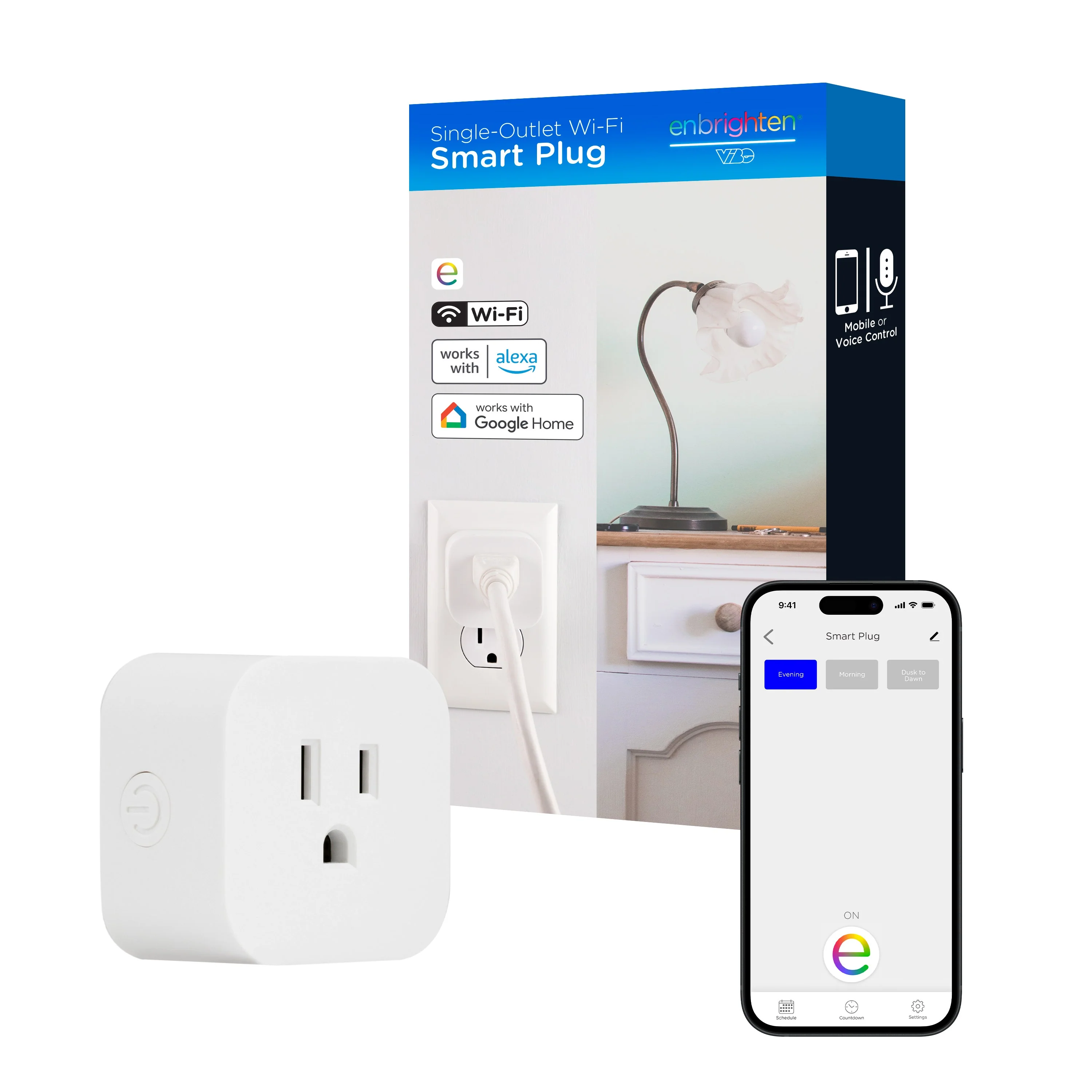
What is a Smart Plug and Why Are They Important?
At its core, a smart plug is a simple device that turns any ordinary electrical outlet into a smart, controllable one. Think of it as a bridge, transforming conventional appliances and lights into integral parts of your smart home. With a smart plug, you can remotely switch devices on or off, schedule them, and integrate them into automated routines.
For the Philips Hue enthusiast, the Hue smart plug (its indoor iteration) is a game-changer. It allows you to bring non-smart lamps, decorative lights, or even a cherished vintage radio into your Hue ecosystem. Suddenly, that beloved floor lamp can respond to your voice, turn on with your “Good Morning” routine, or dim effortlessly, becoming just as “smart” as your Hue bulbs. This integration is vital because it maximizes the utility of your existing smart home setup, reducing the need for multiple apps and fragmented control. The ease of adding any light to your Hue system, controlling it via the Hue app or voice, is a significant benefit [cite: 1 (search 1)].
The Quest for a “Hue Smart Plug Outdoor”: Addressing the Gap
The primary challenge when looking for a “Hue smart plug outdoor” is that Philips Hue’s official smart plug carries an IP20 rating [cite: 1 (search 1)]. What does this mean? An IP20 rating indicates protection against solid objects larger than 12.5mm (like fingers), but absolutely no protection against water or moisture. In practical terms, it’s strictly for indoor, dry environments. Exposing it to rain, snow, or even heavy humidity outdoors would not only damage the device but also pose a serious electrical hazard.
This is why the search for a truly outdoor-rated solution that integrates with Hue is so common. You can’t just take an indoor smart plug and stick it outside; safety and device longevity demand proper weatherproofing. “The key to successful outdoor smart home integration is understanding environmental ratings,” explains Dr. Anya Sharma, a leading smart home technology analyst. “Anything installed outside must meet stringent IP (Ingress Protection) standards to withstand moisture, dust, and temperature fluctuations. Compromising on this is simply not an option for safety.”
How Smart Plugs Work and What You Need to Get Started
Understanding how smart plugs operate, especially within the Philips Hue framework, is essential for selecting the right outdoor solution. Most smart plugs, including the indoor Philips Hue Smart Plug, communicate using either Bluetooth or Zigbee technology.
- Bluetooth Connectivity: The Philips Hue Smart Plug can be controlled directly via Bluetooth from your smartphone. This offers instant, local control without needing a Hue Bridge [cite: 1, 5 (search 1); 4 (search 2); 2 (search 3); 4 (search 4)]. It’s great for getting started quickly, but its range is limited, and you lose out on many advanced features.
- The Hue Bridge Advantage: For a truly robust and comprehensive smart lighting experience, especially outdoors, the Philips Hue Bridge is highly recommended. The Bridge uses the Zigbee protocol, which creates a mesh network, extending the range and reliability of your smart devices [cite: 4 (search 2)]. With the Hue Bridge, you unlock:
- Remote Control: Control your outdoor lights from anywhere in the world.
- Automations and Routines: Set complex schedules, integrate with motion sensors, or sync with sunrise/sunset times [cite: 2, 4 (search 3)].
- Voice Control: Seamless integration with Amazon Alexa, Google Assistant, and Apple HomeKit [cite: 4 (search 2); 2, 4 (search 3); 4 (search 4)].
- Increased Device Limit: The Bridge supports up to 50 lights and accessories, far exceeding the Bluetooth limit [cite: 3 (search 3); 4 (search 4)].
To begin, you’ll need a smartphone with the Philips Hue app. If you opt for third-party Hue-compatible plugs that use Zigbee, you’ll likely need a Hue Bridge for full integration.
Your Options for Smart Outdoor Control with Philips Hue
Since a direct “Hue smart plug outdoor” isn’t available, here are the most effective ways to achieve smart outdoor lighting control within your Hue ecosystem:
Option 1: The Safe and Recommended Route – Third-Party Hue-Compatible Outdoor Smart Plugs
This is generally the best approach for safety and reliability. Many manufacturers offer outdoor-rated smart plugs that can integrate, directly or indirectly, with your Philips Hue system. When looking for these, consider:
- Zigbee Compatibility: Some third-party outdoor smart plugs are Zigbee certified, meaning they can often be paired directly with your Philips Hue Bridge, appearing as a “light” within the Hue app. The Ledvance Compact Outdoor Plug, for example, is noted for its Zigbee technology and ability to couple with the Hue Bridge, offering IP44 water protection [cite: 5 (search 1)]. This offers the most seamless integration.
- Matter/Thread Compatibility: The Matter standard, coupled with Thread networking, is designed to enhance interoperability across different smart home platforms. While a Hue-compatible Matter plug might not show up directly in the Hue app, it can be controlled through HomeKit, Google Home, or Alexa, which can then be linked to your Hue routines. Meross, for instance, offers Matter-compatible options [cite: 4 (search 1)].
- HomeKit, Alexa, or Google Assistant Integration: Even if a third-party outdoor smart plug doesn’t directly connect to the Hue Bridge, if it works with HomeKit, Alexa, or Google Assistant, you can often create routines in those platforms that trigger both your Hue lights and your outdoor smart plug. For example, a “Goodnight” routine in Alexa could turn off your indoor Hue lights and your outdoor string lights connected to a Meross outdoor smart plug [cite: 4 (search 1)].
When choosing a third-party outdoor smart plug, always check its IP rating (IP44 or higher for outdoor exposure) and verify its compatibility with your desired smart home ecosystem.
Option 2: Creative (but Cautious) Workarounds – Protecting an Indoor Hue Smart Plug
Some users, driven by the desire to keep everything strictly “Hue,” have explored using the indoor Philips Hue Smart Plug outdoors by housing it in a waterproof enclosure [cite: 1 (search 2)].
- Using a Waterproof Electrical Box: A common workaround involves placing an indoor Hue smart plug inside a heavy-duty, outdoor-rated electrical box or weatherproof cover. These boxes are designed to shield electrical connections from rain, snow, and sprinklers.
- Extreme Caution Advised: While technically possible, this approach comes with significant caveats. You must ensure the enclosure is properly sealed and rated for outdoor use, and that there is adequate ventilation to prevent overheating, especially in direct sunlight. Any breach in the seal could lead to electrical hazards. This is a DIY solution that requires a thorough understanding of electrical safety and local codes. For most users, investing in a purpose-built outdoor smart plug is a safer and more reliable choice.
Guide to Setting Up Your Smart Outdoor Plug
Once you’ve chosen your outdoor smart plug solution, setting it up for seamless integration with your Philips Hue ecosystem is straightforward.
- Placement and Power:
- Choose a suitable outdoor outlet that is protected from direct harsh weather if possible, even for outdoor-rated plugs.
- Plug in your outdoor smart plug. Ensure it has a strong signal to your Hue Bridge or Wi-Fi network (if applicable) for reliable connectivity.
- Pairing with Philips Hue (for Zigbee-compatible plugs):
- Open your Philips Hue app.
- Go to
Settings>Accessories(orDevicesthen the plus icon) [cite: 4 (search 2); 3 (search 3); 4 (search 4)]. - Select
Add accessory>Hue Smart Plug(orLightif it’s a third-party Zigbee plug that the Hue app identifies as such). - Tap
SearchorAdd light[cite: 4 (search 2); 4 (search 4)]. The app will scan for new devices. - If the plug is not found, you may need to enter its serial number, usually found on the device itself [cite: 4 (search 2); 4 (search 4)].
- Once discovered, name your new “light” (e.g., “Patio String Lights,” “Fountain”) and assign it to an outdoor “room” within the app.
- Pairing via Bluetooth (if using an indoor Hue plug temporarily or in a fully protected area):
- Download the separate Philips Hue Bluetooth app.
- Ensure Bluetooth is enabled on your phone.
- Open the app, go to
Settings>Lights, and tap the+icon to search [cite: 4 (search 2)]. - Follow on-screen instructions to add your smart plug [cite: 2 (search 2)]. Remember, this offers limited functionality compared to using the Bridge.
- Integrating with Voice Assistants and Smart Home Hubs:
- If your outdoor smart plug is integrated with the Hue Bridge, it will automatically appear in connected voice assistant apps (Alexa, Google Home).
- For Matter/HomeKit compatible plugs, ensure they are connected to your HomeKit hub (e.g., Apple TV, HomePod) or other Matter controllers. Then, you can create automations that involve both your Hue ecosystem and these outdoor plugs.
Tips and Tricks to Maximize Your Outdoor Smart Plug’s Utility
With your outdoor smart plug successfully integrated, it’s time to unleash its full potential:
- Seasonal Lighting Spectacles: Turn your outdoor smart plug outdoor into the command center for holiday lights, garden path lighting, or festive patio décor. Schedule them to turn on at dusk and off at midnight, or synchronize them with other Hue lights for a truly magical display.
- Automated Water Features: Connect your garden fountain or pond pump to a smart plug to run only during specific hours, conserving energy and creating a tranquil ambiance when you need it.
- Patio Comfort: Control outdoor fans, patio heaters, or mosquito repellers with ease. No more fumbling for switches in the dark – just a voice command or a tap in your app.
- Enhanced Security: Use randomized schedules to make it look like someone is always home, even when you’re away. Combine with Hue outdoor motion sensors to automatically illuminate areas when activity is detected, deterring unwanted visitors.
- Convenience Through Routines: Set up “Outdoor Evening” routines that dim your indoor lights, turn on your patio string lights, and activate your garden spotlights all at once. Or create a “Welcome Home” routine that illuminates your pathway as you approach.
Benefits of Smart Outdoor Plugs: Energy Savings, Safety, and Convenience
Integrating a smart plug outdoor into your Philips Hue setup delivers a multitude of advantages:
- Unrivaled Convenience: Imagine never having to step outside in the cold or rain just to turn on your patio lights. Control is at your fingertips, whether through your smartphone, a voice command, or automated schedules.
- Potential Energy Savings: While the Philips Hue Smart Plug (and many third-party options) doesn’t offer direct energy monitoring, the ability to schedule devices precisely means you avoid leaving things on unnecessarily. Your holiday lights won’t accidentally stay on all night, and your fountain won’t run when no one is around to enjoy it.
- Enhanced Safety: Beyond preventing electrical hazards with properly rated outdoor plugs, smart outdoor lighting contributes to home security. Automated lights can deter intruders, while motion-activated lighting makes navigating your property safer after dark.
- Flexibility and Customization: Smart plugs free you from the limitations of fixed wiring. You can easily reposition outdoor lights or appliances without needing an electrician, adapting your outdoor space to changing needs or seasonal décor.
- Seamless Ecosystem Expansion: For existing Hue users, these solutions allow you to extend the familiar control and automation capabilities of your indoor smart lighting to your outdoor spaces, creating a truly unified smart home experience.
Advanced Features and Smart Home Ecosystem Integration
The world of smart plugs and the Hue ecosystem are constantly evolving, offering more sophisticated options for your outdoor setup.
- Deeper Integrations: Beyond basic on/off, explore creating complex routines where your outdoor smart plug interacts with other Hue accessories. For instance, a Hue outdoor motion sensor could trigger your floodlights connected to an outdoor smart plug when movement is detected.
- Beyond Lighting: Remember, smart plugs aren’t just for lights. Consider how an outdoor smart plug could automate seasonal decorations, pond filters, or even outdoor misters for those hot summer days, all within your existing smart home routines.
- The Future is Matter: As the Matter standard gains traction, you’ll see even greater interoperability. While not directly replacing the Hue Bridge, Matter-enabled outdoor plugs will make it easier to link devices from different brands into a cohesive smart home, managed by a central controller like Apple Home, Google Home, or Amazon Alexa, which can then interact with your Hue system. This ensures your investment in smart home technology is future-proof.
Conclusion
While a specific “Hue smart plug outdoor” may not be part of Philips Hue’s current official lineup, the possibilities for smart outdoor lighting within the Hue ecosystem are abundant and exciting. By leveraging robust, outdoor-rated third-party smart plugs, and understanding the power of the Hue Bridge and broader smart home integrations, you can transform your outdoor spaces into an extension of your intelligent home.
From automating festive lighting to enhancing security and simplifying daily routines, the right smart plug outdoor solution brings unparalleled convenience and control to your exterior. So go ahead, explore the options, and light up your outdoor world with the intelligence and elegance of Philips Hue. Your backyard oasis, controlled with a tap or a word, awaits!