Imagine a home that anticipates your needs, where everyday appliances respond to your voice or operate on a schedule tailored just for you. This isn’t a futuristic dream; it’s the reality offered by smart home technology, and at its heart lies the versatile Google Nest Smart Plug. These unassuming devices are the unsung heroes of home automation, transforming mundane gadgets into intelligent, controllable components of your connected living space. If you’re looking to dip your toes into the world of smart homes or expand your existing Google ecosystem, understanding the full potential of a Google Nest smart plug is your first step towards a more convenient, energy-efficient, and secure environment.
What is a Smart Plug and Why Are They Important for Modern Homes?
At its core, a smart plug is a simple yet revolutionary device. It’s an adapter that plugs into your standard electrical outlet, and then your regular appliance plugs into it. This ingenious setup allows you to remotely control the power supply to the connected appliance via a smartphone app or voice commands. Think of it as giving your old lamp, coffee maker, or fan a digital brain. [cite: 1, 4 from initial search]
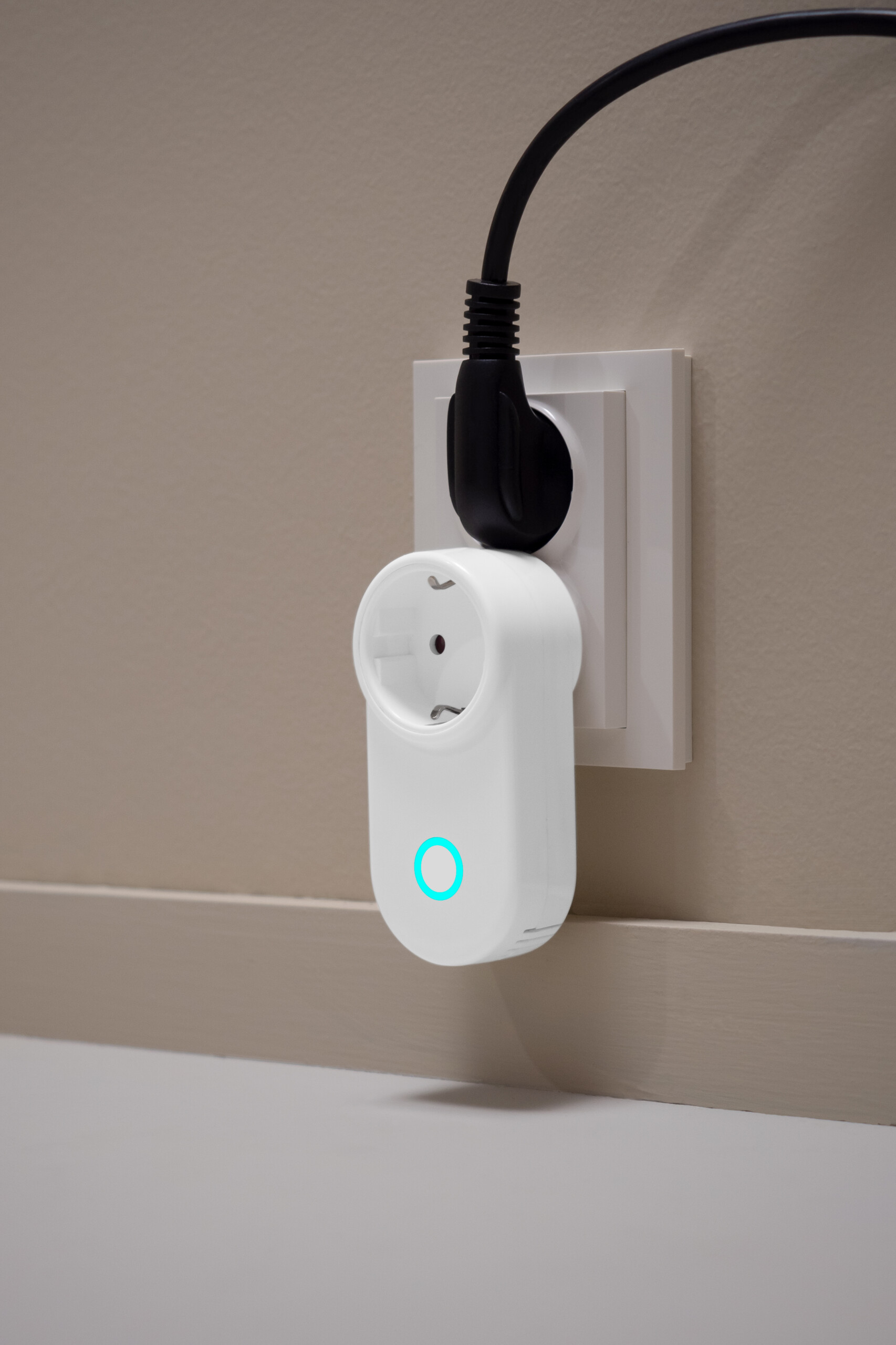
Why are smart plugs so crucial in today’s smart homes? They represent an accessible entry point into home automation. Unlike complex wiring solutions or expensive integrated systems, smart plugs are affordable, easy to install, and incredibly versatile. They empower you to automate tasks, monitor energy consumption, and enhance home safety without a significant investment or technical expertise. They are the building blocks that let you gradually build your smart home, one appliance at a time.
Google Nest Smart Plugs: Seamless Integration for Your Smart Home
While there isn’t one singular “Google Nest Smart Plug” manufactured directly by Google, the term broadly refers to a wide array of smart plugs that are fully compatible with the Google Home ecosystem and Google Assistant. This means you can control them effortlessly using the Google Home app on your smartphone or with voice commands directed at your Google Nest speaker or display. [cite: 1, 4 from initial search; 1, 2, 3, 4 from compatibility search] Leading brands like Kasa (TP-Link), Wemo, Gosund, Feit Electric, Meross, Geeni, Cync, and Philips Hue frequently offer models that integrate seamlessly, making them excellent choices for your Google-centric smart home. [cite: 1 from initial search; 1, 2, 3, 4 from compatibility search]
These compatible smart plugs bring the convenience of the Google ecosystem to any appliance you connect. Whether it’s turning on your bedside lamp with a simple “Hey Google” command or scheduling your slow cooker to start before you get home, the integration is designed to be intuitive and user-friendly.
How Google Nest Smart Plugs Work and What You Need to Get Started
The magic of a Google Nest smart plug lies in its ability to bridge the gap between traditional appliances and your Wi-Fi network.
The Technology Behind the Convenience
Most smart plugs, including those compatible with Google Nest, operate by connecting directly to your home’s Wi-Fi network. [cite: 4 from initial search] This connection allows them to receive commands from your smartphone app (usually the manufacturer’s own app, which then links to Google Home) or from your Google Assistant-enabled devices. They typically utilize the 2.4GHz band of your Wi-Fi network, which offers a broader range and better penetration through walls than the 5GHz band, ideal for smart home devices that don’t require high bandwidth. [cite: 5 from initial search]
Essential Requirements
To begin your journey with a Google Nest smart plug, you’ll need a few basics:
- A stable Wi-Fi network: Ensure your home has reliable internet access.
- A smartphone or tablet: This will be used to download the smart plug’s manufacturer app and the Google Home app for setup and control.
- A Google Home/Nest device (optional but recommended): While not strictly required for app control, a Google Nest speaker or display significantly enhances the experience by enabling hands-free voice commands. [cite: 4 from initial search]
“Google Nest Smart Plugs are often the first step many take into home automation, offering an accessible yet powerful way to experience the benefits of a connected living space,” notes Dr. Anya Sharma, a leading expert in smart home technology. This ease of entry makes them incredibly appealing for both beginners and seasoned smart home enthusiasts.
Setting Up and Using Your Google Nest Smart Plug: A Step-by-Step Guide
Getting your Google Nest smart plug up and running is typically a straightforward process. Here’s how to do it:
Step 1: Unboxing and Physical Connection
- Unpack your smart plug: Remove it from its packaging.
- Plug it into a wall outlet: Choose the outlet where you intend to use it.
- Plug your appliance into the smart plug: Ensure the appliance is turned on at its own switch (if it has one) so the smart plug can control its power.
Step 2: Connecting to Wi-Fi via Manufacturer’s App
- Download the manufacturer’s app: Find the specific app for your smart plug (e.g., Kasa Smart, Wemo, Meross) in your device’s app store.
- Create an account: You’ll likely need to set up a new account or log in if you already have one. This account allows for remote control. [cite: 5 from initial search]
- Add the device: Follow the in-app instructions to add your smart plug. This usually involves putting the plug into a pairing mode (often indicated by a flashing light) and connecting it to your 2.4GHz Wi-Fi network. If your router uses both 2.4GHz and 5GHz bands under the same name, you might temporarily need to disable band steering or ensure your phone is connected to the 2.4GHz network for the initial setup. [cite: 5 from initial search]
Step 3: Integrating with Google Home
- Open the Google Home app: This is where you’ll bring everything together.
- Tap the “+” icon: Located in the top left corner, select “Set up device.”
- Choose “Works with Google”: This option allows you to link services from other smart home brands.
- Search for your smart plug’s brand: Find and select the manufacturer of your smart plug (e.g., Kasa, Meross).
- Link accounts: You’ll be prompted to log in with the credentials you created in the manufacturer’s app. Once linked, Google Home will import your smart plug.
- Assign to a room and rename: Assign your smart plug to a specific room (e.g., “Living Room”) and give it an intuitive name (e.g., “Living Room Lamp,” “Coffee Maker”) for easier voice control. [cite: 5 from initial search]
Step 4: Voice Control Basics
Once linked, you can start using voice commands. Simply say, “Hey Google, turn on the living room lamp” or “Hey Google, turn off the coffee maker.” It’s that simple to command your devices hands-free. [cite: 5 from initial search]
Maximizing Utility: Tips and Tricks for Your Google Nest Smart Plugs
Getting the most out of your Google Nest smart plugs goes beyond basic on/off control. By leveraging the full capabilities of the Google Home ecosystem, you can unlock a truly smart living experience.
Create Smart Routines
Google Home’s Routines feature is a game-changer. You can set up custom commands that trigger multiple actions across various devices, including your smart plugs. [cite: 3, 5 from initial search]
- “Good Morning” Routine: Say “Hey Google, good morning” to turn on your bedroom lamp, start the coffee maker, and play the news.
- “Good Night” Routine: Command “Hey Google, good night” to turn off all smart plugs in the house, dim the lights, and lock the doors.
- “I’m Home” Routine: When you arrive, trigger a routine to turn on lights, power up a fan, or even warm up a smart kettle.
Energy Monitoring & Savings
Many Google Nest smart plug compatible models come with energy monitoring features. [cite: 2, 4 from initial search; 4 from review search]
- Identify Energy Hogs: Use the manufacturer’s app to track the power consumption of connected appliances. You might be surprised by how much energy some devices use even when “off” (phantom load).
- Smart Scheduling: Schedule power-hungry devices to turn off when not in use, like charging stations overnight or entertainment systems during work hours. This can lead to significant savings on your electricity bill. [cite: 4 from initial search]
Enhanced Security with “Away Mode”
Some smart plugs and their associated apps offer an “Away Mode” or “Vacation Mode.” This feature randomly turns connected lights or other devices on and off, creating the illusion that someone is home, which can deter potential intruders. [cite: 4 from review search]
Group Devices for Unified Control
If you have multiple smart plugs in one area (e.g., several lamps in the living room), you can group them within the Google Home app. This allows you to control all of them with a single command, such as “Hey Google, turn off the living room lights.” [cite: 5 from initial search]
Consider Dual-Outlet and Outdoor Options
For even greater flexibility, explore smart plugs with dual outlets that can be controlled independently [cite: 1, 4 from compatibility search] or rugged outdoor smart plugs for patio lights, holiday decorations, or fountain pumps. [cite: 4 from compatibility search] Ensure they fit well without obstructing other outlets, as some older designs can be bulky. [cite: 5 from initial search]
The Transformative Benefits of Google Nest Smart Plugs
Adopting Google Nest smart plugs isn’t just about controlling devices; it’s about transforming your daily life with tangible benefits.
Unparalleled Convenience
The sheer convenience offered by these plugs is their most immediate appeal. Imagine controlling your devices from the comfort of your couch, from another room, or even when you’re miles away from home. [cite: 2 from initial search] No more fumbling for light switches in the dark or worrying if you left the curling iron on. A tap on your phone or a simple voice command handles it all. [cite: 4 from initial search]
Significant Energy Savings
Beyond convenience, Google Nest smart plugs empower you to take control of your energy consumption. By scheduling devices to turn off automatically when not needed, or by remotely switching off forgotten appliances, you can significantly reduce phantom power drain and lower your electricity bills. [cite: 2, 4 from initial search] This eco-friendly aspect not only saves money but also contributes to a greener household.
Enhanced Home Safety
Smart plugs add an extra layer of safety to your home. The ability to remotely power off heat-generating appliances like irons, space heaters, or hair straighteners can prevent potential fire hazards if you accidentally leave them on. [cite: 4 from initial search] Integrating them into security routines, like turning on lights when you’re away, also boosts overall home security.
Automation for a Smarter Lifestyle
The true power of Google Nest smart plugs shines through automation. Setting up schedules for lights to come on at dusk, having your slow cooker start dinner while you’re at work, or ensuring your bedroom fan turns off after you’ve fallen asleep simplifies your routine. This automation frees up mental space and allows you to focus on more important things, making your home truly work for you.
Advanced Features and Ecosystem Integration with Google Smart Home
The capabilities of Google Nest smart plugs extend further when considering the evolving smart home landscape and Google’s broader ecosystem.
Matter: The Future of Interoperability
The smart home industry is moving towards greater interoperability with standards like Matter. Many newer smart plugs are becoming Matter-certified, which means they are designed to work seamlessly across various smart home platforms, including Google Home, Apple HomeKit, and Amazon Alexa, reducing compatibility concerns. [cite: 2, 4 from review search] This ensures your investment in a Google Nest smart plug is future-proof and flexible.
Expanding Your Google Home Ecosystem
Smart plugs are just one piece of the puzzle. They integrate perfectly with other Google-compatible devices, creating a cohesive smart home. Combine them with smart lighting, thermostats, security cameras, and speakers for a comprehensive automation experience. Your Google Nest Hub can become the central command center, providing visual control alongside voice commands for all your connected devices. [cite: 3 from initial search]
Voice Assistant Beyond Basic Control
Google Assistant’s intelligence allows for more than just simple on/off commands. You can incorporate your smart plugs into complex multi-device routines, ask for status updates (“Hey Google, is the coffee maker on?”), or even integrate them into presence-sensing automations, where devices react to whether you are home or away.
Frequently Asked Questions (FAQ) About Google Nest Smart Plugs
Here are some common questions people ask about using smart plugs with their Google Nest setup:
Q1: Do I need a hub for Google Nest Smart Plugs?
A: Most modern Google Nest-compatible smart plugs connect directly to your home’s Wi-Fi network and do not require a separate hub. [cite: 2 from review search] You only need your Wi-Fi router, a smartphone, and the Google Home app.
Q2: Can I use any smart plug with Google Home?
A: While many smart plugs are compatible, it’s essential to check for “Works with Google Assistant” or “Google Home Compatible” labeling on the product packaging or specifications. Most major brands offer compatible models. [cite: 1, 2, 3, 4 from compatibility search]
Q3: What’s the difference between a smart plug and a smart outlet?
A: A smart plug is an external device that plugs into a standard outlet, providing smart capabilities to any appliance plugged into it. A smart outlet is a wall outlet with built-in smart technology that replaces your traditional electrical outlet. Smart plugs are portable and easy to install, while smart outlets offer a cleaner, more permanent look but require some electrical work. [cite: 1, 2, 3, 4, 5 from difference search]
Q4: Can Google Nest Smart Plugs monitor energy usage?
A: Yes, many Google Nest-compatible smart plugs offer energy monitoring features through their respective manufacturer’s app. This allows you to track the power consumption of connected devices and identify opportunities for energy savings. [cite: 2, 4 from initial search; 4 from review search]
Q5: Are Google Nest Smart Plugs secure?
A: Reputable smart plug brands prioritize security through encryption and regular firmware updates. To ensure security, always purchase from trusted brands, use strong, unique Wi-Fi passwords, and keep your smart plug’s app and Google Home app updated.
Conclusion
The Google Nest smart plug is more than just a gadget; it’s a gateway to a smarter, more efficient, and more responsive home. By effortlessly integrating with your Google Home ecosystem, these simple devices offer unparalleled convenience, substantial energy savings, and enhanced safety features that transform everyday living. Whether you’re taking your first step into home automation or looking to expand your existing smart setup, Google Nest smart plugs provide an accessible and powerful solution. Embrace the future of home management – plug in, connect, and let your home respond to you.