The smart home landscape is constantly evolving, bringing with it an array of devices designed to make our lives easier, more efficient, and undeniably smarter. Among these innovations, the smart plug stands out as a simple yet powerful gateway to automation. But as technology advances, so do the questions around compatibility and performance. One term that often sparks confusion is the “5G smart plug.” It’s a common misconception, blurring the lines between mobile network advancements and home Wi-Fi capabilities. This article will clarify what a 5G smart plug truly means in the context of your home network – specifically, a 5GHz Wi-Fi smart plug – and why understanding this distinction is crucial for building a seamlessly connected smart home.
|
Our Picks for the Best Smart Plug in 2026
As an Amazon Associate I earn from qualifying purchases.
|
||
| Num | Product | Action |
|---|---|---|
| 1 | Kasa Smart Plug Ultra Mini 15A, Smart Home Wi-Fi Outlet Works with Alexa, Google Home & IFTTT, No Hub Required, UL Certified, 2.4G WiFi Only, 1-Pack(EP10), White |

|
| 2 | Kasa Smart Plug HS103P3, Smart Home Wi-Fi Outlet Works with Alexa, Echo, Google Home & IFTTT, No Hub Required, Remote Control,15 Amp,UL Certified, White, 3 Count (Pack of 1) |
|
| 3 | Kasa Smart Plug Ultra Mini 15A, Smart Home Wi-Fi Outlet Works with Alexa, Google Home & IFTTT, No Hub Required, UL Certified, 2.4G WiFi Only, 2 Count (Pack of 1)(EP10P2) , White |
|
| 4 | Amazon Smart Plug - Works with Alexa - Simple setup, endless possibilities |
|
| 5 | GHome Smart Plug, WiFi Smart Plugs Work with Alexa and Google Home, Smart Outlet Timer with APP Remote Control, 2.4GHz Wi-Fi Only, No Hub Required, ETL FCC Listed |
|
| 6 | Kasa Smart Plug HS103P4, Smart Home Wi-Fi Outlet Works with Alexa, Echo, Google Home & IFTTT, No Hub Required, Remote Control, 15 Amp, UL Certified, 4-Pack, White |
|
| 7 | Kasa Smart Plug HS103P2, Smart Home Wi-Fi Outlet Works with Alexa, Echo, Google Home & IFTTT, No Hub Required, Remote Control,15 Amp,UL Certified, (Pack of 2) White |
|
| 8 | Kasa Smart Plug Mini 15A, Smart Home Wi-Fi Outlet Works with Alexa, Google Home & IFTTT, No Hub Required, UL Certified, 2.4G WiFi Only, 4-Pack(EP10P4) , White |
|
| 9 | Sense Energy Monitor - Track Electricity Usage in Real Time and Save Money - Meets Rigorous ETL/Intertek Safety Standards |
|
| 10 | Kasa Matter Smart Plug w/ Energy Monitoring, Compact Design, 15A/1800W Max, Super Easy Setup, Works with Apple Home, Alexa & Google Home, UL Certified, 2.4G Wi-Fi Only, White, KP125M (4-Pack) |
|
What Are Smart Plugs, and Why Are They Important?
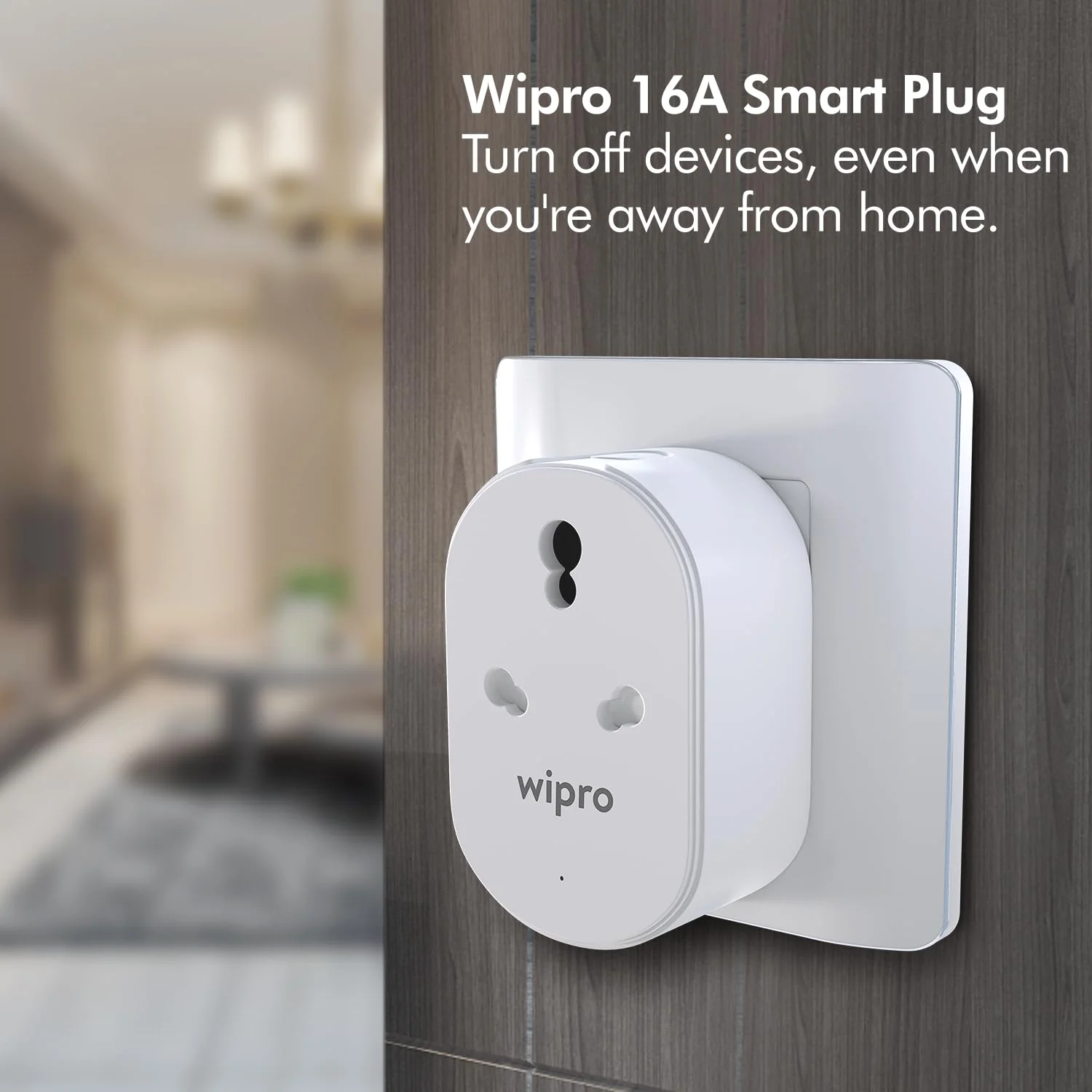
At its core, a smart plug is an adapter that fits into a standard electrical outlet, allowing you to control any device plugged into it using a smartphone app or voice commands. Imagine turning off a forgotten curling iron from your office, scheduling your coffee maker to brew precisely when your alarm rings, or setting mood lighting with a simple voice prompt. This convenience transforms ordinary appliances into smart devices, offering unprecedented control and automation within your home. They represent the foundational block for many smart home systems, empowering users to manage energy, enhance security, and create truly personalized environments.
Deciphering the “5G Smart Plug” Trend: 5G Cellular vs. 5GHz Wi-Fi
Let’s clear up the biggest piece of confusion right away. When people search for a “5G smart plug,” they are almost always referring to smart plugs compatible with 5GHz Wi-Fi, not 5G cellular technology. This distinction is vital:
- 5G Cellular: This is the fifth generation of broadband cellular network technology, primarily used by mobile phones for internet access on the go. It offers extremely high speeds and low latency, revolutionizing how mobile devices connect. Smart plugs do not typically connect directly to 5G cellular networks; they rely on your home’s Wi-Fi.
- 5GHz Wi-Fi: This refers to a frequency band used by your home Wi-Fi router. Modern routers are often “dual-band,” meaning they broadcast two Wi-Fi networks simultaneously: one at 2.4GHz and one at 5GHz. The 5GHz band generally offers faster speeds over shorter distances and with less interference than its 2.4GHz counterpart.
So, when we talk about a “5G smart plug” in the smart home context, we are discussing smart plugs designed to connect to your router’s 5GHz Wi-Fi network. This is an important distinction, as many traditional smart plugs have historically been limited to the 2.4GHz band.
How Smart Plugs Work and What You Need to Get Started (Including Wi-Fi Considerations)
Smart plugs typically connect to your home network via Wi-Fi. This connection allows them to communicate with your smartphone app or a smart home hub, which then relays your commands. To get started, you usually need:
- A Smart Plug: Of course!
- A Wi-Fi Network: Your home internet connection.
- A Smartphone/Tablet: To install the manufacturer’s app.
- Optional: A Smart Assistant: Devices like Amazon Alexa or Google Assistant for voice control.
The majority of smart plugs on the market have traditionally operated solely on the 2.4GHz Wi-Fi band. Why is this? The 2.4GHz band offers a wider range and better penetration through walls and obstacles, making it ideal for devices that might be placed farther from your router or in different rooms. Smart plugs generally don’t require high bandwidth for their simple on/off commands and occasional data transfers (like energy monitoring), so the faster speeds of 5GHz weren’t a priority. Moreover, incorporating 5GHz capabilities adds to manufacturing costs and complexity.
However, as homes become more saturated with Wi-Fi devices, the 2.4GHz band can become crowded, leading to potential interference and connectivity issues. This is where the desire for 5GHz smart plug compatibility comes into play.
Navigating the 5GHz Landscape: Are 5GHz Smart Plugs Available?
For a long time, finding smart plugs that supported 5GHz Wi-Fi was like searching for a needle in a haystack. Most manufacturers focused on the 2.4GHz band due to its range and cost-effectiveness. However, the market is slowly shifting. Today, you can find dual-band smart plugs that support both 2.4GHz and 5GHz Wi-Fi.
Companies like Eightree and GHome are notable for offering smart plugs that are compatible with both frequency bands, addressing a growing demand from consumers who primarily use 5GHz networks or face congestion on 2.4GHz. These newer dual-band options aim to provide more flexibility and potentially more stable connections in environments where 5GHz is preferred. When considering a smart plug, especially if you have a modern router with a strong 5GHz signal, seeking out these dual-band options can offer a more robust smart home experience. Look for smart plugs with explicit 5GHz Wi-Fi support when browsing online retailers like Amazon to ensure compatibility with your network setup.
“The move towards dual-band smart plugs is a game-changer for many households,” says Dr. Evelyn Reed, a leading expert in smart home technology integration. “It simplifies setup for users with combined 2.4GHz and 5GHz networks and offers a performance boost in high-density environments, paving the way for more reliable smart home experiences.”
Setting Up Your Smart Plug: A Guide for 2.4GHz and 5GHz Networks
Setting up a smart plug, whether it’s 2.4GHz or a 5GHz smart plug, generally follows a similar pattern:
- Plug It In: Insert the smart plug into an electrical outlet.
- Download the App: Install the manufacturer’s specific app on your smartphone or tablet.
- Pairing Mode: The smart plug will usually enter a blinking pairing mode, indicating it’s ready to connect.
- Connect in App: Follow the in-app instructions to discover and connect the smart plug to your Wi-Fi network. You’ll typically enter your Wi-Fi password.
Troubleshooting Dual-Band Router Issues
A common challenge arises when your router broadcasts both 2.4GHz and 5GHz networks under the same name (SSID). Many 2.4GHz-only smart plugs can struggle to connect in this scenario because they don’t know which band to prioritize. Here are some tricks:
- Separate Wi-Fi Bands: Log into your router’s administration page (usually via a web browser) and give your 2.4GHz and 5GHz networks separate names (e.g., “MyHome_2.4GHz” and “MyHome_5GHz”). Then, connect your phone to the 2.4GHz network before setting up your 2.4GHz-only smart plug. If you have a 5GHz smart plug, connect your phone to the 5GHz network during its setup.
- Distance Trick: For 2.4GHz-only plugs on a combined network, try setting up the plug farther away from your router. Since 2.4GHz has a longer range, your phone and the plug might naturally prioritize the 2.4GHz signal when they are further from the stronger 5GHz signal.
- Temporarily Disable 5GHz: As a last resort, you might temporarily disable the 5GHz band on your router during the setup process, then re-enable it afterward.
For dual-band 5GHz smart plugs, the setup is often smoother, as they are designed to communicate effectively with both frequencies. Simply ensure your phone is connected to the desired Wi-Fi band (2.4GHz or 5GHz) during the initial pairing process.
Tips and Tricks to Maximize Your Smart Plug’s Utility
Once connected, your 5GHz smart plug, or any smart plug for that matter, opens up a world of possibilities:
- Scheduling and Timers: Automate lights, coffee makers, or humidifiers to turn on and off at specific times, aligning with your daily routine or vacation schedules.
- Voice Control: Integrate with smart assistants like Alexa or Google Assistant to control devices with simple voice commands, adding a layer of hands-free convenience.
- Grouping Devices: Combine multiple smart plugs or other smart devices into groups to control them simultaneously with a single command (e.g., “Alexa, turn off living room lights”).
- Energy Monitoring: Many advanced smart plugs include energy monitoring features, allowing you to track power consumption of connected devices. This insight can help you identify energy hogs and reduce your electricity bill.
- Home Security: Use smart plugs to turn lights on and off randomly when you’re away, creating the illusion that someone is home.
- Seasonal Decorations: Make holiday lighting effortless by scheduling decorations to illuminate and power down automatically.
Beyond Wi-Fi: Alternative Smart Plug Technologies
While Wi-Fi is the most common connectivity method for smart plugs, other protocols offer distinct advantages, especially for building larger, more robust smart home ecosystems. These often require a dedicated hub:
- Zigbee: A mesh network protocol known for its reliability, low power consumption, and ability to create a self-healing network. Zigbee smart plugs are excellent for extending the range of your smart home network.
- Z-Wave: Another mesh networking protocol, Z-Wave operates on a different frequency than Wi-Fi, minimizing interference. It’s renowned for its robust security and interoperability between different brands.
- Thread (and Matter): Thread is an IP-based mesh networking protocol designed for IoT devices, offering strong security and reliability. Matter is a new interoperability standard built on top of protocols like Thread, aiming to make smart home devices work seamlessly together, regardless of brand. These emerging technologies promise a more unified and future-proof smart home experience.
These alternative smart plugs, while not directly connecting to 5GHz Wi-Fi, often offer a more stable and scalable solution for extensive smart home setups, offloading traffic from your Wi-Fi network and potentially improving overall performance.
Benefits of Smart Plugs: Energy Saving, Safety, and Convenience
The advantages of integrating smart plugs into your home extend far beyond simply turning things on and off remotely.
- Energy Saving: With scheduling and energy monitoring features, you can easily identify and eliminate phantom power drain from electronics or ensure lights aren’t left on unnecessarily, leading to noticeable savings on your utility bills. Imagine setting your space heater to only run for an hour before you arrive home, instead of heating an empty room all day.
- Enhanced Safety: The ability to remotely power down appliances offers peace of mind. Forgot to turn off the iron or a space heater? A quick tap on your phone app can prevent potential hazards. Smart plugs can also be used to automatically shut off devices that pose a risk, such as charging batteries, after a set time.
- Unparalleled Convenience: From waking up to freshly brewed coffee to dimming lamps with a voice command, smart plugs streamline daily routines. They empower individuals with mobility challenges, allow parents to control kids’ screen time, and generally make life more comfortable and efficient. The “set it and forget it” nature of automation frees up mental space, letting you focus on what truly matters.
Advanced Features and Smart Home Ecosystem Integration
Modern 5GHz smart plugs and their 2.4GHz counterparts are far more than just remote switches. Many boast advanced features that enhance their utility:
- Power Monitoring: As mentioned, tracking real-time and historical energy consumption helps users make informed decisions about energy usage.
- Away Mode/Randomization: Some plugs can randomly turn lights on and off to simulate occupancy, bolstering home security.
- Overload Protection: Built-in safety features that automatically cut power if an appliance draws too much current, protecting both the device and your home.
- Integration with Smart Home Platforms: Seamlessly connect with major ecosystems like Amazon Alexa, Google Home, and Apple HomeKit. This allows for complex routines, scenes, and inter-device automation. For instance, you could create a “Movie Night” scene that dims the lights, turns on the TV, and starts the popcorn maker plugged into your 5GHz smart plug with a single command.
- IFTTT (If This Then That) Support: Expand automation possibilities by linking your smart plugs with hundreds of other web services and devices based on custom triggers.
Frequently Asked Questions
Q: Do I really need a 5GHz smart plug?
A: Not always. Most smart plugs still operate efficiently on 2.4GHz Wi-Fi. However, if your 2.4GHz network is very congested, your router performs better with 5GHz for smart devices, or you specifically want faster connection setup and response times, a 5GHz smart plug can be a beneficial upgrade.
Q: Why do most smart plugs use 2.4GHz Wi-Fi?
A: The 2.4GHz band offers a wider range and better penetration through walls and obstacles, making it ideal for devices that don’t require high bandwidth, like smart plugs. It’s also generally more cost-effective for manufacturers to integrate.
Q: Can a 2.4GHz smart plug connect to a combined 2.4GHz/5GHz Wi-Fi network?
A: Yes, but it can sometimes be tricky. Routers with a single SSID for both bands might confuse 2.4GHz-only devices. Separating the Wi-Fi bands (giving them different names) or using the distance trick can help with successful connection.
Q: Is there a difference between “5G” and “5GHz” for smart plugs?
A: Absolutely. “5G” refers to cellular mobile networks, while “5GHz” refers to a specific frequency band of your home Wi-Fi network. Smart plugs connect to Wi-Fi, not cellular 5G.
Q: What if my smart plug isn’t connecting to my Wi-Fi?
A: First, ensure your phone is on the same Wi-Fi band (2.4GHz or 5GHz) that your smart plug supports during setup. Check your Wi-Fi password, router settings (firewall, parental controls), and try rebooting your router and the smart plug. Moving the plug closer to the router during setup can also help.
Q: Are smart plugs safe to use with all appliances?
A: Most smart plugs have wattage limits. Always check the plug’s specifications and ensure it can handle the power requirements of the appliance you intend to connect. Heavy-duty appliances like large air conditioners or electric heaters might require specialized smart plugs.
Q: What are the benefits of a 5GHz smart plug over a 2.4GHz one?
A: A 5GHz smart plug may offer less interference from other devices (like microwaves or older cordless phones) and potentially faster initial connection times. For devices that transfer slightly more data, like those with detailed energy monitoring, 5GHz can provide a more responsive experience.
Conclusion
The term “5G smart plug” might initially sound like a futuristic gadget tapping into mobile networks, but in the realm of smart homes, it primarily signifies compatibility with 5GHz Wi-Fi. While 2.4GHz smart plugs remain prevalent and highly effective, the emergence of dual-band 5GHz smart plugs offers enhanced flexibility and potential performance benefits for certain home network configurations.
As your strategic advisor and visionary for maypd.com, my aim is to emphasize that understanding these nuances is key to delivering innovation. Whether through optimizing existing 2.4GHz connections or embracing the growing number of 5GHz smart plug options, the ultimate goal is to create a smart home experience that is seamless, efficient, and perfectly tailored to user needs. Dive into the world of smart plugs, explore the possibilities that 5GHz Wi-Fi offers, and empower your home with intelligent automation.