Welcome to the future of smart living, where every corner of your home can be intuitively controlled with a tap or a voice command. The Philips Hue Smart Plug stands as a testament to this evolution, offering an ingenious way to expand your existing Philips Hue lighting ecosystem. Imagine turning your favorite traditional lamp, the one that holds so many memories, into a smart light, seamlessly integrated with the rest of your intelligent home. This compact device is designed to do just that, bringing unparalleled convenience and smart automation to even your most cherished, non-smart luminaires. The Philips Hue Smart Plug is more than just an on/off switch; it’s a gateway to a smarter, more connected home experience.
|
Our Picks for the Best Smart Plug in 2026
As an Amazon Associate I earn from qualifying purchases.
|
||
| Num | Product | Action |
|---|---|---|
| 1 | GHome Smart Plug, WiFi Smart Plugs Work with Alexa and Google Home, Smart Outlet Timer with APP Remote Control, 2.4GHz Wi-Fi Only, No Hub Required, ETL FCC Listed |

|
| 2 | Kasa Smart Plug HS103P2, Smart Home Wi-Fi Outlet Works with Alexa, Echo, Google Home & IFTTT, No Hub Required, Remote Control,15 Amp,UL Certified, (Pack of 2) White |
|
| 3 | Sense Energy Monitor - Track Electricity Usage in Real Time and Save Money - Meets Rigorous ETL/Intertek Safety Standards |
|
| 4 | Kasa Smart Plug HS103P4, Smart Home Wi-Fi Outlet Works with Alexa, Echo, Google Home & IFTTT, No Hub Required, Remote Control, 15 Amp, UL Certified, 4-Pack, White |
|
| 5 | Kasa Smart Plug Mini 15A, Smart Home Wi-Fi Outlet Works with Alexa, Google Home & IFTTT, No Hub Required, UL Certified, 2.4G WiFi Only, 4-Pack(EP10P4) , White |
|
| 6 | Kasa Smart Plug Ultra Mini 15A, Smart Home Wi-Fi Outlet Works with Alexa, Google Home & IFTTT, No Hub Required, UL Certified, 2.4G WiFi Only, 2 Count (Pack of 1)(EP10P2) , White |
|
| 7 | Amazon Smart Plug - Works with Alexa - Simple setup, endless possibilities |
|
| 8 | Kasa Matter Smart Plug w/ Energy Monitoring, Compact Design, 15A/1800W Max, Super Easy Setup, Works with Apple Home, Alexa & Google Home, UL Certified, 2.4G Wi-Fi Only, White, KP125M (4-Pack) |
|
| 9 | Kasa Smart Plug HS103P3, Smart Home Wi-Fi Outlet Works with Alexa, Echo, Google Home & IFTTT, No Hub Required, Remote Control,15 Amp,UL Certified, White, 3 Count (Pack of 1) |
|
| 10 | Kasa Smart Plug Ultra Mini 15A, Smart Home Wi-Fi Outlet Works with Alexa, Google Home & IFTTT, No Hub Required, UL Certified, 2.4G WiFi Only, 1-Pack(EP10), White |
|
What is a Smart Plug and Why are they Important?
At its core, a smart plug is an electrical adapter that plugs into a standard wall outlet, allowing you to connect any non-smart device and control it wirelessly through an app or voice commands. Think of it as giving your old appliances a new, intelligent brain. These seemingly simple gadgets are vital to the modern smart home because they offer a cost-effective and flexible way to integrate a wide array of devices into your connected ecosystem without replacing them. They unlock convenience, enable energy management (though specific features vary by brand), and even enhance home security by simulating occupancy when you’re away.
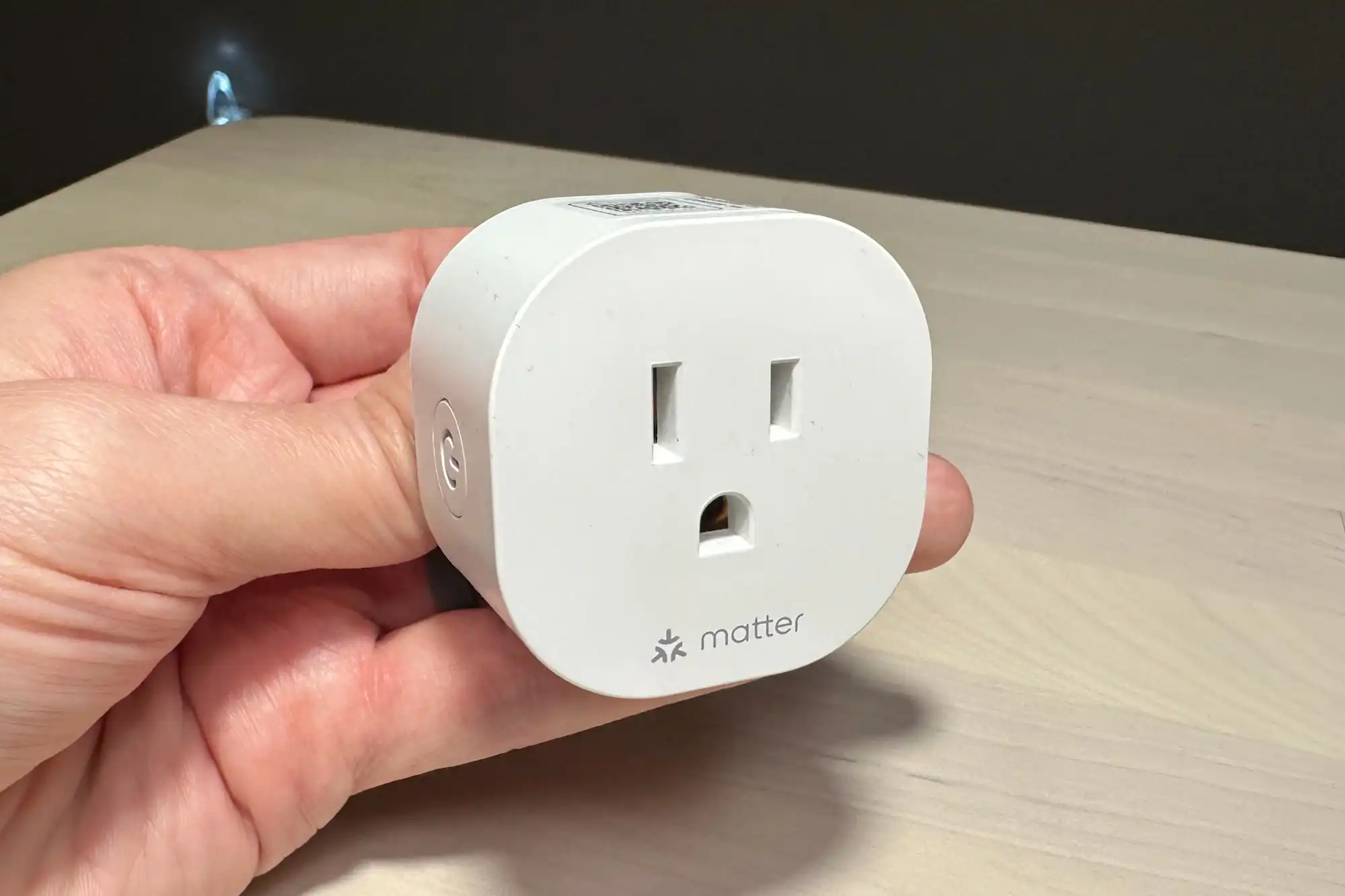
For Philips Hue users, the Smart Plug is particularly important. It acts as the missing link, extending the reach of your smart lighting beyond just Hue bulbs. This means you can finally bring that antique floor lamp or your grandmother’s bedside light into the fold, controlling it alongside your smart bulbs with the same Philips Hue app or voice commands. It’s about making your entire lighting setup, old and new, work in perfect harmony.
The Philips Hue Smart Plug: Bridging Your Home to Smarter Lighting
The Philips Hue Smart Plug is a beautifully engineered accessory that epitomizes the brand’s commitment to seamless integration and user-friendly design. With its discreet, compact white cube design, it’s built to blend into any environment without drawing unnecessary attention or blocking adjacent outlets. It even features a subtle manual on/off button on its side, providing a physical override should you need it.
While many smart plugs boast broad appliance compatibility, the Philips Hue Smart Plug is distinctly optimized for lights. Philips Hue explicitly recommends its use primarily for lighting products, ensuring optimal performance within its ecosystem. This focus allows it to excel at its intended purpose: transforming any conventional lamp into a smart light.
One of its standout features is its dual connectivity. The Philips Hue Smart Plug supports both Bluetooth for instant local control and Zigbee for extended smart home capabilities via the Hue Bridge. This flexibility means you can start simple, controlling lights with your smartphone via Bluetooth, and then expand to a full-fledged smart home system with the Hue Bridge when you’re ready. When connected via the Bridge, the smart plug becomes part of a robust Zigbee mesh network, which can enhance the reliability and range of your entire Hue setup.
However, it’s worth noting a key distinction: unlike some competitors such as Eve Energy or TP-Link Kasa, the Philips Hue Smart Plug does not offer energy monitoring features. While it simplifies control and automation for your lights, it won’t track their power consumption. This is a design choice that prioritizes integration and simplicity within the Hue lighting universe. As Dr. Evelyn Reed, a renowned smart home analyst, puts it, “The Philips Hue Smart Plug isn’t trying to be an all-in-one energy tracker; it’s a specialist. Its true genius lies in its ability to effortlessly extend the unparalleled lighting experience of Hue to every lamp in your home, preserving that cohesive ecosystem.”
How the Philips Hue Smart Plug Works and What You Need to Get Started
Understanding how the Philips Hue Smart Plug operates is straightforward. It acts as an intermediary. You plug the smart plug into any standard wall socket, and then plug your chosen lamp (or a recommended low-power appliance) into the smart plug. This simple connection empowers you to control the connected device remotely.
To get started, here’s what you’ll need:
- A Smartphone: An iOS or Android device is essential to download and use the Philips Hue app. You’ll use this app for setup, control, and creating automations.
- The Philips Hue App: This is your command center. For basic Bluetooth control, the Philips Hue Bluetooth app might suffice, but for full functionality, the main Philips Hue app, connected to a Bridge, is paramount.
- A Philips Hue Bridge (Highly Recommended): While not strictly required for basic Bluetooth control within a limited range, the Hue Bridge unlocks the full potential of your Philips Hue Smart Plug. It enables remote access, advanced automations, and integration with broader smart home ecosystems like Apple HomeKit, Amazon Alexa, and Google Assistant. The Bridge connects your Hue devices via the more stable Zigbee protocol, creating a reliable mesh network.
- Voice Assistant Devices (Optional, but enhances experience): If you desire voice control, integrating with devices like an Amazon Echo, Google Nest speaker, or Apple HomePod will allow you to command your lights with simple voice prompts.
Essentially, the smart plug communicates with your smartphone (via Bluetooth) or your Hue Bridge (via Zigbee), which then relays commands. This efficient communication ensures responsive control whether you’re at home or thousands of miles away.
Setting Up Your Philips Hue Smart Plug: A Simple Guide
Getting your Philips Hue Smart Plug up and running is a breeze, designed for both tech novices and seasoned smart home enthusiasts. Here’s a step-by-step breakdown:
Setting Up with a Philips Hue Bridge (Recommended for Full Features)
- Plug it In: Insert your Philips Hue Smart Plug into a wall socket.
- Open the Hue App: Launch the Philips Hue app on your smartphone.
- Navigate to Settings: Tap on the “Settings” icon, usually located in the bottom right corner.
- Add Accessory: Select “Accessories” or “Accessory Setup,” then tap “Add accessory.”
- Choose Smart Plug: From the list of device types, select “Hue Smart Plug.”
- Search for Device: The app will begin searching for your new smart plug. You might also be prompted to scan a QR code on the device or enter its serial number if it’s not found automatically.
- Configure: Once discovered, you’ll be guided to name your smart plug and assign it to a specific room or zone within your Hue setup. This helps keep your smart home organized.
- Complete: Follow any remaining on-screen instructions, and your Philips Hue Smart Plug is ready to be controlled alongside your other Hue lights.
Setting Up via Bluetooth (No Bridge Required, Local Control Only)
If you don’t have a Hue Bridge or simply want to try out the smart plug for local control, Bluetooth is your friend:
- Enable Bluetooth: Ensure Bluetooth is active on your smartphone.
- Download Hue Bluetooth App: If you haven’t already, download the Philips Hue Bluetooth app.
- Plug it In: Insert your Philips Hue Smart Plug into a wall socket.
- Open Hue Bluetooth App: Launch the app.
- Add Light: The app will automatically search for nearby Bluetooth Hue devices. Tap the “+” icon or follow prompts to “Add light.”
- Discover and Name: Once found, name your smart plug and customize settings like the light it controls.
- Local Control: You can now control the connected lamp with your phone when you are within Bluetooth range.
Remember, the physical button on the side of the Philips Hue Smart Plug also allows you to manually turn the connected device on or off, and can be used for resetting the plug if needed (usually by holding it down for several seconds).
Tips and Tricks to Maximize Your Philips Hue Smart Plug’s Utility
Once your Philips Hue Smart Plug is integrated into your smart home, a world of possibilities opens up. Here’s how to truly maximize its utility:
- Create Unified Lighting Groups: Group your Philips Hue Smart Plug with existing Hue bulbs in the same room. This allows you to control all lights—smart bulbs and those connected to the plug—with a single command or tap, creating cohesive lighting scenes for any occasion.
- Automate Your Daily Routines: Leverage the “Routines” or “Automations” feature in the Hue app. Set your bedside lamp (connected to a Philips Hue Smart Plug) to gently turn on as part of your “Wake Up” routine, or ensure all lamps switch off automatically with a “Good Night” command.
- Smart Home Security on Vacation: If you have a Hue Bridge, use the “Presence Mimicking” automation. By connecting lamps to smart plugs and adding them to this routine, your lights can turn on and off randomly when you’re away, making it appear as though someone is home, deterring potential intruders.
- Voice Control for Effortless Living: Link your Hue system to Amazon Alexa, Google Assistant, or Apple HomeKit. Then, simply say, “Alexa, turn on the living room lamp,” or “Hey Google, turn off the fan,” for instant, hands-free control.
- Extend Your Zigbee Network: When connected to a Hue Bridge, each Philips Hue Smart Plug acts as a Zigbee repeater. This means it helps strengthen and extend the mesh network of your Hue system, improving the reliability and responsiveness of all your connected Hue devices, especially in larger homes or those with many smart gadgets. As network architect Liam O’Connell notes, “Every Zigbee-enabled Philips Hue Smart Plug becomes a silent hero, boosting the signal and ensuring your smart home commands travel smoothly across your entire property.”
- Seasonal and Holiday Lighting: Use your Philips Hue Smart Plug to easily automate holiday decorations. Plug in your Christmas tree lights or outdoor patio string lights and set them on a schedule, or integrate them into festive scenes that activate with a single command.
- Control Small Appliances (with caution): While primarily recommended for lights, the Philips Hue Smart Plug can often handle small appliances like fans, humidifiers, or coffee makers, provided they stay within the plug’s maximum wattage rating (check product specifications for your regional version, e.g., 1800W for US, 2860W for UK). Always refer to the manufacturer’s guidelines to avoid overloading the device.
By thoughtfully integrating the Philips Hue Smart Plug into your smart home, you’re not just gaining control; you’re crafting a more responsive, efficient, and enjoyable living space.
Benefits of the Philips Hue Smart Plug: Convenience, Automation, and Ecosystem Harmony
The Philips Hue Smart Plug brings a wealth of advantages to the modern smart home, making it a compelling choice, especially for those already invested in the Hue ecosystem.
- Unrivaled Convenience: Imagine never fumbling for a light switch again. With the Philips Hue Smart Plug, you gain effortless control over any connected lamp. Whether it’s through the intuitive Hue app on your smartphone, simple voice commands to your favorite assistant, or even a physical press of the button on the plug itself, convenience is always at your fingertips. Remote access via the Hue Bridge means you can turn lights on before you arrive home or check if you left anything on, no matter where you are.
- Seamless Automation: Beyond simple on/off, the Philips Hue Smart Plug excels at automation. Create schedules that align with your daily rhythm, having lights greet you in the morning and gently fade as you prepare for bed. Integrate them into elaborate scenes, where a single command can transform the ambiance of a room by adjusting multiple lights simultaneously. These automations simplify daily tasks and enhance your home’s comfort and responsiveness.
- Deep Ecosystem Harmony: For existing Philips Hue users, this is arguably the biggest benefit. The Philips Hue Smart Plug integrates flawlessly with your entire Hue lighting system. This means all your smart bulbs, smart plugs, and accessories can be managed from a single, unified app. There’s no need to switch between different applications or deal with compatibility headaches. This cohesive experience is a hallmark of the Philips Hue brand.
- Enhanced Reliability with Zigbee: When paired with the Hue Bridge, the Philips Hue Smart Plug utilizes the Zigbee protocol, known for its robust and reliable mesh networking capabilities. This creates a more stable connection for your smart devices, often outperforming Wi-Fi-based plugs that can contribute to network congestion. The smart plug also acts as a signal repeater, extending the reach and strength of your Zigbee network throughout your home.
- Compact and Discreet Design: Its small, unobtrusive design ensures that the Philips Hue Smart Plug doesn’t become an eyesore or block other outlets, a common complaint with bulkier smart plugs. Its minimalist aesthetic blends seamlessly into any decor.
In essence, the Philips Hue Smart Plug delivers on the promise of smart home technology by offering an intuitive, reliable, and deeply integrated solution for managing your home’s lighting, all while maintaining the elegant simplicity that Philips Hue is known for.
Advanced Features and Smart Home Ecosystem Integration
The Philips Hue Smart Plug isn’t just about basic on/off functionality; it’s a sophisticated device designed to fit into a broader smart home landscape.
Broad Voice Assistant Compatibility: The Philips Hue Smart Plug offers excellent compatibility with leading voice assistants. Once connected to a Hue Bridge, it seamlessly integrates with:
- Amazon Alexa: Control your lights with commands like “Alexa, turn on the bedroom lamp.”
- Google Assistant: Use phrases such as “Hey Google, switch off the living room lights.”
- Apple HomeKit: For Apple users, the Hue Bridge exposes the smart plug to HomeKit, allowing control via Siri (“Hey Siri, turn on the desk light”) and integration into HomeKit scenes and automations. Note that for remote HomeKit access, an Apple HomeKit hub (like an Apple TV or HomePod) is also required.
This wide compatibility means you can manage your lights using the voice assistant you already prefer, without having to learn new commands or systems.
IFTTT Applet Integration: For those who love to tinker and create more complex, cross-platform automations, the Philips Hue Smart Plug (when connected to a Hue Bridge) can be integrated with IFTTT (If This Then That). This web-based service allows you to create custom “applets” that connect your Hue Smart Plug with hundreds of other smart devices and services. For instance, you could set up an applet that turns on a lamp connected to your smart plug when your smart doorbell detects motion, or have it react to changes in weather.
The Evolving Landscape of Matter: The smart home industry is constantly evolving, with new standards like Matter promising greater interoperability. While the Philips Hue Bridge is planned to receive updates to support Matter, it’s important to understand the current situation regarding the Philips Hue Smart Plug itself. As of now, the smart plug does not directly support the Thread communication protocol that Matter often utilizes, and Philips Hue has not announced direct Matter-specific updates for the smart plug. This means its primary route for advanced integration and future-proofing remains through the Hue Bridge and its established ecosystem. This strategy ensures current reliability while the broader smart home standards mature.
Through these advanced features and integrations, the Philips Hue Smart Plug reinforces its position as a powerful, versatile component in a truly intelligent home, providing deep functionality beyond basic control.
Frequently Asked Questions (FAQ)
Here are some common questions about the Philips Hue Smart Plug:
Q: Do I need a Philips Hue Bridge for the Philips Hue Smart Plug?
A: No, not strictly. You can control the Philips Hue Smart Plug locally via Bluetooth using the Philips Hue Bluetooth app. However, a Philips Hue Bridge is highly recommended to unlock all features, including remote control, advanced automations, and integration with voice assistants like Alexa, Google Assistant, and Apple HomeKit.
Q: Can I use the Philips Hue Smart Plug with non-Hue lights?
A: Absolutely! That’s one of its primary purposes. The Philips Hue Smart Plug allows you to transform any traditional lamp that uses a standard bulb into a smart light, enabling you to control it via the Hue app or voice commands, even if you can’t place a Hue bulb in it.
Q: Does the Philips Hue Smart Plug monitor energy consumption?
A: No, the Philips Hue Smart Plug does not include energy monitoring features. If tracking power consumption is a key requirement for you, you might need to consider other smart plug brands that offer this functionality.
Q: Is the Philips Hue Smart Plug compatible with Alexa, Google Assistant, and HomeKit?
A: Yes, it is fully compatible with Amazon Alexa and Google Assistant. For Apple HomeKit, it integrates seamlessly when connected through a Philips Hue Bridge. This allows for voice control and inclusion in scenes and automations across these popular smart home platforms.
Q: What’s the difference between Bluetooth and Bridge control for the Philips Hue Smart Plug?
A: Bluetooth control allows for instant on/off functionality and basic scheduling directly from your phone when you are within close range of the plug, without needing a Hue Bridge. Bridge control, via Zigbee, enables remote access from anywhere, advanced automations, grouping with more devices, and integration with third-party smart home ecosystems and voice assistants.
Q: Can I use the Philips Hue Smart Plug for appliances other than lights?
A: While primarily designed and recommended for lighting devices, the Philips Hue Smart Plug can often control other small appliances like fans, humidifiers, or coffee makers, provided they do not exceed the plug’s maximum wattage rating. Always check the specifications and Philips Hue’s guidelines to ensure safe usage.
Conclusion
The Philips Hue Smart Plug is more than just another gadget; it’s an indispensable tool for anyone looking to seamlessly integrate their entire home’s lighting into a cohesive, intelligent system. It effortlessly bridges the gap between traditional lamps and cutting-edge smart home technology, allowing you to breathe new life into your cherished fixtures. With its easy setup, dual connectivity options, and robust integration into the Philips Hue ecosystem, this smart plug delivers unparalleled convenience, powerful automation capabilities, and the rock-solid reliability that the Hue brand is known for.
Whether you’re taking your first steps into home automation or looking to expand an already impressive Philips Hue setup, the Philips Hue Smart Plug offers a compact, discreet, and highly effective solution. It empowers you to control, automate, and harmonize all your lights, creating a truly responsive and modern living environment. So go ahead, explore the possibilities, and let the Philips Hue Smart Plug illuminate your path to a smarter, more intuitive home.