Imagine a home that anticipates your needs, where everyday appliances respond to your voice or a tap on your iPhone. This isn’t science fiction; it’s the reality made possible by the seamless integration of smart technology. At the heart of this modern convenience, especially for Apple enthusiasts, lies the Apple Home smart plug. These ingenious devices are your gateway to transforming ordinary gadgets into intelligent, responsive components of your personalized smart ecosystem. They empower you to command your home like never before, bringing unparalleled comfort, efficiency, and control right to your fingertips.
|
Our Picks for the Best Smart Plug in 2026
As an Amazon Associate I earn from qualifying purchases.
|
||
| Num | Product | Action |
|---|---|---|
| 1 | Sense Energy Monitor - Track Electricity Usage in Real Time and Save Money - Meets Rigorous ETL/Intertek Safety Standards |

|
| 2 | Kasa Smart Plug HS103P2, Smart Home Wi-Fi Outlet Works with Alexa, Echo, Google Home & IFTTT, No Hub Required, Remote Control,15 Amp,UL Certified, (Pack of 2) White |
|
| 3 | Kasa Smart Plug Ultra Mini 15A, Smart Home Wi-Fi Outlet Works with Alexa, Google Home & IFTTT, No Hub Required, UL Certified, 2.4G WiFi Only, 1-Pack(EP10), White |
|
| 4 | Kasa Smart Plug HS103P3, Smart Home Wi-Fi Outlet Works with Alexa, Echo, Google Home & IFTTT, No Hub Required, Remote Control,15 Amp,UL Certified, White, 3 Count (Pack of 1) |
|
| 5 | Kasa Matter Smart Plug w/ Energy Monitoring, Compact Design, 15A/1800W Max, Super Easy Setup, Works with Apple Home, Alexa & Google Home, UL Certified, 2.4G Wi-Fi Only, White, KP125M (4-Pack) |
|
| 6 | Kasa Smart Plug Ultra Mini 15A, Smart Home Wi-Fi Outlet Works with Alexa, Google Home & IFTTT, No Hub Required, UL Certified, 2.4G WiFi Only, 2 Count (Pack of 1)(EP10P2) , White |
|
| 7 | Amazon Smart Plug - Works with Alexa - Simple setup, endless possibilities |
|
| 8 | Kasa Smart Plug HS103P4, Smart Home Wi-Fi Outlet Works with Alexa, Echo, Google Home & IFTTT, No Hub Required, Remote Control, 15 Amp, UL Certified, 4-Pack, White |
|
| 9 | Kasa Smart Plug Mini 15A, Smart Home Wi-Fi Outlet Works with Alexa, Google Home & IFTTT, No Hub Required, UL Certified, 2.4G WiFi Only, 4-Pack(EP10P4) , White |
|
| 10 | GHome Smart Plug, WiFi Smart Plugs Work with Alexa and Google Home, Smart Outlet Timer with APP Remote Control, 2.4GHz Wi-Fi Only, No Hub Required, ETL FCC Listed |
|
What Are Smart Plugs, and Why Are They Important for Apple Home Users?
At its core, a smart plug is a simple adapter that fits into a standard electrical outlet, allowing you to plug in any “dumb” appliance and instantly make it controllable. For Apple users, an Apple Home smart plug specifically refers to a device compatible with Apple HomeKit, Apple’s framework for controlling smart home accessories. This compatibility means you can manage your plugged-in devices directly through the Home app on your iPhone, iPad, Apple Watch, or Mac, and even with voice commands via Siri.
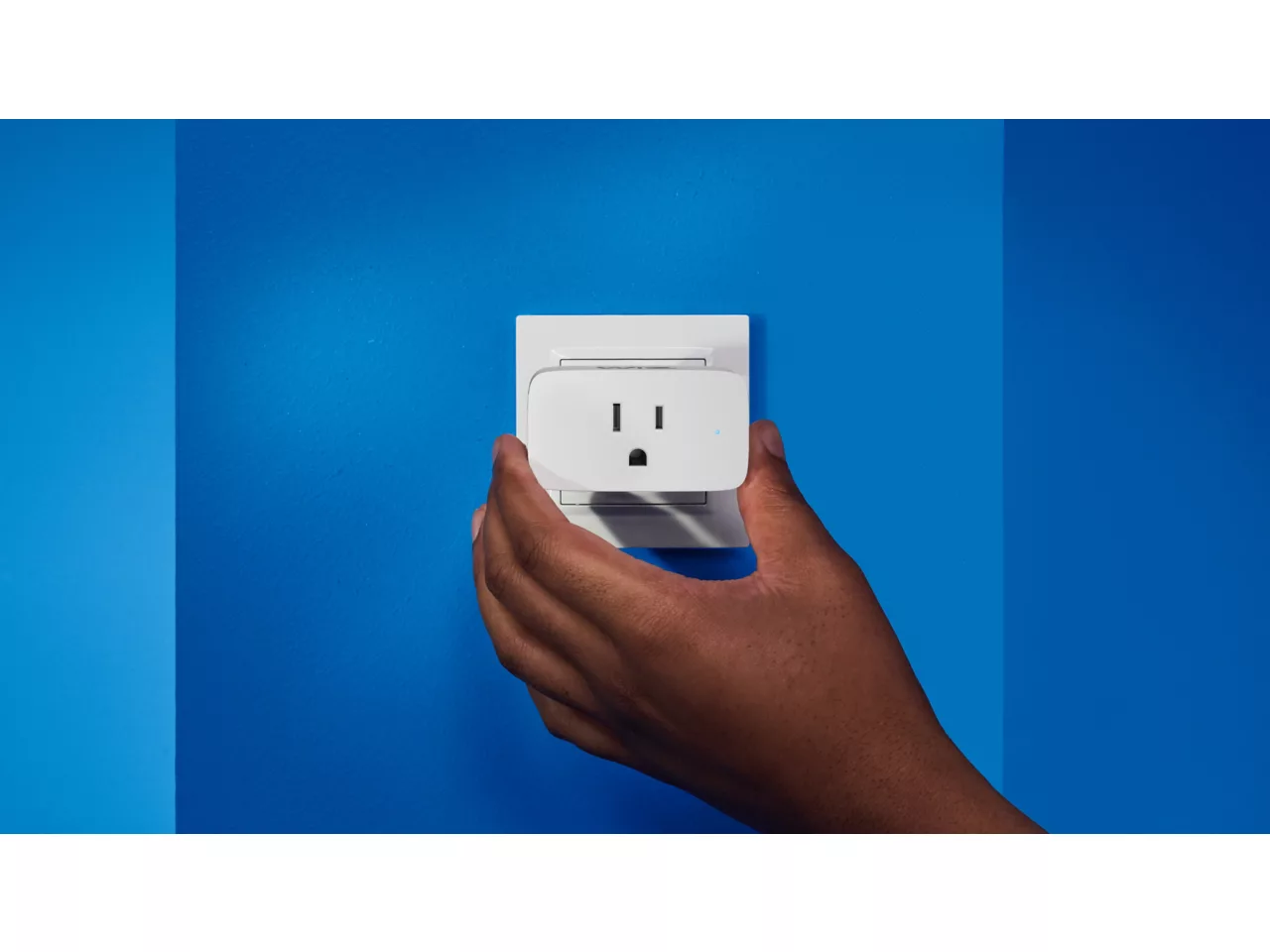
Why is this important? It’s about leveraging the power of Apple’s ecosystem for a unified and intuitive smart home experience. Instead of juggling multiple apps for different brands, HomeKit brings everything under one roof. Dr. Evelyn Reed, Lead Smart Home Architect at Veridian Labs, explains, “The beauty of a HomeKit-compatible smart plug is its seamless integration. It removes the friction often associated with smart home tech, allowing users to build a cohesive and responsive environment without complex setups.”
Connecting Your Home: Top Apple Home Smart Plugs to Consider
The market for HomeKit-compatible smart plugs is robust, offering a variety of choices to suit different needs and budgets. When looking for an Apple Home smart plug, you’ll encounter devices that boast features like energy monitoring, compact designs, and support for newer connectivity standards like Matter and Thread, which offer enhanced reliability and responsiveness.
Here are some popular and highly-regarded options known for their compatibility with Apple HomeKit:
- Eve Energy Smart Plug: Often praised for its robust privacy features (no cloud required) and Thread support, which offers a more stable and responsive connection. It also typically includes energy monitoring.
- Meross Smart Plug Mini: A budget-friendly yet reliable option that provides essential HomeKit functionality in a compact form factor. Many Meross plugs also support Matter for broader compatibility.
- Philips Hue Smart Plug: Ideal for those already invested in the Philips Hue lighting ecosystem, offering reliable performance and a sleek design.
- Wemo Smart Plug with Thread: Known for its slim profile, ensuring it doesn’t block adjacent outlets, and offering Thread connectivity for a speedy experience.
- Kasa Smart Plugs (TP-Link Tapo series): With recent models supporting Matter, these plugs bring Kasa’s reputation for reliability and often include energy usage reports.
When selecting your ideal Apple Home smart plug, consider the physical size, whether energy monitoring is a priority, and if you want to future-proof your setup with Matter and Thread support.
How Apple Home Smart Plugs Work and What You Need to Get Started
An Apple Home smart plug works by acting as an intermediary between your appliance and the wall outlet. Inside the plug, smart technology allows it to communicate with your Apple Home ecosystem, either via Wi-Fi (typically 2.4GHz), Bluetooth, or newer, more efficient protocols like Thread. This communication enables you to remotely control the power flow to the connected appliance.
To embark on your Apple Home smart plug journey, you’ll need a few essentials:
- An iOS Device: An iPhone or iPad running a recent version of iOS/iPadOS is necessary to set up and manage your HomeKit devices using the Home app.
- A HomeKit-Compatible Smart Plug: Look for the “Works with Apple HomeKit” or “Matter” badge on the packaging.
- A 2.4GHz Wi-Fi Network: Most Wi-Fi smart plugs initially connect to your home’s 2.4GHz Wi-Fi band for setup and operation. If your router uses both 2.4GHz and 5GHz, ensure your iPhone is connected to the 2.4GHz network during initial pairing.
- An Apple Home Hub (Optional, but highly recommended): For control outside your home network, advanced automations, and Thread network capabilities, you’ll need a HomePod, HomePod mini, Apple TV (4th generation or later), or a dedicated iPad that stays at home. This device acts as a central command center, maintaining your smart home network.
Marcus Thorne, CEO and Founder of OmniConnect Solutions, emphasizes, “A HomeKit hub is a game-changer. It unlocks the full potential of your Apple Home smart plug, allowing you to automate scenes, run complex routines, and control devices from anywhere in the world, not just when you’re connected to your home Wi-Fi.”
A Step-by-Step Guide: Setting Up and Using Your Apple Home Smart Plug
Getting your Apple Home smart plug up and running is surprisingly straightforward. Apple has designed the Home app for an intuitive user experience.
Here’s a simple step-by-step guide:
- Plug it In: Insert your smart plug into a wall outlet. Wait for its indicator light to show it’s ready for pairing (often blinking amber or green).
- Prepare Your iOS Device: Ensure Bluetooth is enabled on your iPhone or iPad. If your smart plug connects via Wi-Fi, temporarily connect your iOS device to your home’s 2.4GHz Wi-Fi network.
- Open the Home App: Launch the Home app on your iPhone or iPad.
- Add Accessory: Tap the ‘+’ icon in the top right corner of the Home app, then select “Add Accessory.”
- Scan the QR Code: Your device’s camera will activate. Locate the HomeKit QR code on your smart plug, its packaging, or in the manual, and scan it. If there’s an 8-digit code, you can also enter it manually.
- Follow On-Screen Prompts:
- Once recognized, tap “Add to Home.”
- Assign the smart plug to a specific room (e.g., “Living Room,” “Bedroom”).
- Rename the device to something easy to remember and use with Siri (e.g., “Living Room Lamp,” “Coffee Maker”).
- Categorize the device (e.g., “Light,” “Fan”).
- Tap “Done” to complete the setup.
Once configured, you can immediately start using your Apple Home smart plug. Simply open the Home app, navigate to the room where your plug is located, and tap the accessory icon to toggle it on or off. For voice control, activate Siri and say commands like, “Hey Siri, turn on the living room lamp,” or “Hey Siri, turn off the fan.”
Tips and Tricks to Maximize Your Apple Home Smart Plug Utility
An Apple Home smart plug is far more than just a remote switch; it’s a foundation for building truly intelligent automations in your home.
- Schedule Appliances: Use the Home app to set specific times for devices to turn on or off. For instance, have your porch light activate at sunset and turn off at sunrise, or your coffee maker start brewing just before your alarm goes off.
- Create Scenes: Combine multiple accessories into a single command. A “Good Morning” scene could turn on your bedside lamp, start the coffee maker, and adjust the thermostat, all with one tap or voice command. A “Movie Night” scene might dim the lights and turn on the TV.
- Leverage Automations with Sensors: Pair your smart plugs with other HomeKit sensors for dynamic control. A motion sensor could turn on a fan when you enter a room and turn it off when no motion is detected. A contact sensor on a door could trigger a lamp to turn on when you open it.
- Utilize Energy Monitoring: If your smart plug features energy monitoring, delve into the data provided by its native app (or sometimes directly in the Home app). This can help you identify “vampire drain” appliances and make informed decisions to save energy.
- Out-of-Home Control: With an Apple Home hub, you can control your smart plugs from anywhere in the world, offering peace of mind. Forgot to turn off the iron? Check your Home app and switch it off from afar.
- Siri Shortcuts for Advanced Commands: For more complex actions or personalized phrases, integrate your smart plug controls into custom Siri Shortcuts, allowing for highly specific voice commands.
The Core Benefits: Energy Saving, Enhanced Safety, and Unparalleled Convenience
Integrating Apple Home smart plugs into your living space brings a host of tangible benefits that extend beyond simple remote control.
- Energy Saving and Cost Reduction: Smart plugs are champions of efficiency. They help you eliminate “vampire drain” by completely cutting power to devices when not in use. Scheduling capabilities mean appliances only run when needed, and with energy monitoring features, you can track consumption and identify power-hungry gadgets, leading to noticeable savings on your electricity bill.
- Enhanced Home Security: When you’re away, smart plugs can simulate occupancy by randomly turning lights or TVs on and off, deterring potential intruders. This simple illusion can be a powerful deterrent, offering you greater peace of mind whether you’re at work or on vacation.
- Unparalleled Convenience: Imagine your fan turning on as you enter a room, or your electric kettle boiling while you’re still in bed. The ability to control devices with your voice through Siri, or with a tap on your phone, drastically simplifies daily routines. This hands-free, remote control makes everyday life smoother and more enjoyable.
“The true value of an Apple Home smart plug is in the accumulated small conveniences,” says Sophia Chen, Senior IoT Product Manager at GlobalTech Innovations. “It’s not just about one device; it’s about how these small automations collectively free up your time and mental energy, allowing you to focus on what truly matters.”
Advanced Features and Seamless Apple Home Ecosystem Integration
The future of smart homes is rapidly evolving, and Apple Home smart plugs are at the forefront with innovations like Matter and Thread.
- Matter and Thread for the Win: Matter is a new, unified connectivity standard designed to make smart home devices work together seamlessly across different platforms. When you choose a Matter-compatible smart plug, you’re investing in a device that offers broader compatibility and easier setup. Thread is an IP-based wireless mesh networking technology that creates a robust, self-healing network. Thread-enabled smart plugs offer faster response times, greater reliability, and often use less power than Wi-Fi or Bluetooth alternatives, directly enhancing your Apple Home experience.
- Deep Ecosystem Integration: The beauty of an Apple Home smart plug truly shines when integrated with other HomeKit devices. Combine them with motion sensors to activate lights, smart thermostats to manage climate based on appliance usage, or smart cameras to trigger actions. For instance, a “Good Night” scene could not only turn off all lights connected to smart plugs but also lock your HomeKit door, set the alarm, and adjust the thermostat to a sleep-friendly temperature.
- The Role of Your Home Hub: Your Apple Home hub (HomePod, Apple TV, or dedicated iPad) is crucial for these advanced features. It provides the computational power for complex automations to run locally (not reliant on the cloud), enables remote access when you’re away, and acts as a Thread Border Router to connect Thread devices to your network.
Frequently Asked Questions (FAQ)
What is the difference between an Apple Home Smart Plug and a regular smart plug?
An Apple Home smart plug is specifically designed or certified to be compatible with Apple HomeKit, allowing control through the Apple Home app, Siri, and integration into HomeKit automations and scenes. Regular smart plugs might only work with their proprietary app or other ecosystems like Alexa or Google Home.
Do I need a hub for an Apple Home Smart Plug?
While you can typically control HomeKit smart plugs locally via Bluetooth or Wi-Fi with just your iOS device, an Apple Home hub (such as a HomePod, HomePod mini, or Apple TV) is essential for out-of-home control, running time-based or sensor-triggered automations, and enabling Thread networking benefits.
Can I use Siri to control my smart plug?
Absolutely! Once your Apple Home smart plug is set up in the Home app, you can use Siri on your iPhone, iPad, Apple Watch, HomePod, or even Mac to control your connected appliances with simple voice commands like “Hey Siri, turn on the lamp.”
Can Apple Home Smart Plugs monitor energy usage?
Many HomeKit-compatible smart plugs offer energy monitoring features, allowing you to track the power consumption of connected devices. This data can often be viewed within the smart plug’s native app or, in some cases, directly within the Apple Home app.
What is Matter/Thread, and why does it matter for HomeKit?
Matter is a new universal smart home standard designed for interoperability, meaning Matter-certified devices work across multiple ecosystems, including HomeKit. Thread is a low-power, self-healing mesh networking protocol that provides faster, more reliable connections for smart home devices compared to Wi-Fi or Bluetooth, especially beneficial for battery-powered sensors. Both enhance the reliability and flexibility of your Apple Home smart plug setup.
The Future is Connected with Apple Home Smart Plugs
The journey to a smarter home is an exciting one, and the Apple Home smart plug serves as an accessible yet powerful cornerstone. From the simple convenience of voice control to the sophisticated elegance of personalized automations, these devices offer a world of possibilities. They help you save energy, enhance your home’s security, and inject a new level of ease into your daily life. With continuous advancements in standards like Matter and Thread, the Apple Home ecosystem is only becoming more robust, responsive, and reliable. Embrace the innovation, experiment with automations, and discover how an Apple Home smart plug can truly elevate your living experience. Your smarter home awaits!