Imagine a home that anticipates your needs, saves you energy, and operates with seamless precision. This isn’t a futuristic dream; it’s the reality a Zigbee smart plug can bring to your living space. Far more than just a simple on/off switch, these ingenious devices are the silent workhorses of modern home automation, transforming ordinary appliances into intelligent components of a connected ecosystem. If you’re looking to elevate your smart home experience with enhanced reliability, lower power consumption, and robust network stability, understanding the capabilities of a Zigbee smart plug is your first step towards a truly intelligent abode.
|
Our Picks for the Best Smart Plug in 2026
As an Amazon Associate I earn from qualifying purchases.
|
||
| Num | Product | Action |
|---|---|---|
| 1 | GHome Smart Plug, WiFi Smart Plugs Work with Alexa and Google Home, Smart Outlet Timer with APP Remote Control, 2.4GHz Wi-Fi Only, No Hub Required, ETL FCC Listed |

|
| 2 | Sense Energy Monitor - Track Electricity Usage in Real Time and Save Money - Meets Rigorous ETL/Intertek Safety Standards |
|
| 3 | Kasa Smart Plug Ultra Mini 15A, Smart Home Wi-Fi Outlet Works with Alexa, Google Home & IFTTT, No Hub Required, UL Certified, 2.4G WiFi Only, 2 Count (Pack of 1)(EP10P2) , White |
|
| 4 | Kasa Smart Plug HS103P2, Smart Home Wi-Fi Outlet Works with Alexa, Echo, Google Home & IFTTT, No Hub Required, Remote Control,15 Amp,UL Certified, (Pack of 2) White |
|
| 5 | Kasa Smart Plug Mini 15A, Smart Home Wi-Fi Outlet Works with Alexa, Google Home & IFTTT, No Hub Required, UL Certified, 2.4G WiFi Only, 4-Pack(EP10P4) , White |
|
| 6 | Amazon Smart Plug - Works with Alexa - Simple setup, endless possibilities |
|
| 7 | Kasa Smart Plug Ultra Mini 15A, Smart Home Wi-Fi Outlet Works with Alexa, Google Home & IFTTT, No Hub Required, UL Certified, 2.4G WiFi Only, 1-Pack(EP10), White |
|
| 8 | Kasa Smart Plug HS103P3, Smart Home Wi-Fi Outlet Works with Alexa, Echo, Google Home & IFTTT, No Hub Required, Remote Control,15 Amp,UL Certified, White, 3 Count (Pack of 1) |
|
| 9 | Kasa Matter Smart Plug w/ Energy Monitoring, Compact Design, 15A/1800W Max, Super Easy Setup, Works with Apple Home, Alexa & Google Home, UL Certified, 2.4G Wi-Fi Only, White, KP125M (4-Pack) |
|
| 10 | Kasa Smart Plug HS103P4, Smart Home Wi-Fi Outlet Works with Alexa, Echo, Google Home & IFTTT, No Hub Required, Remote Control, 15 Amp, UL Certified, 4-Pack, White |
|
What is a Smart Plug, and Why is a Zigbee Smart Plug Important?
At its core, a smart plug is a device that allows you to control the power supply to any connected appliance remotely. Plug it into a wall outlet, then plug your lamp, fan, or coffee maker into the smart plug, and suddenly, that “dumb” device becomes smart. But why specifically a Zigbee smart plug? The difference lies in the underlying communication protocol.
Zigbee is a wireless language designed specifically for low-power, low-data-rate applications, making it ideal for the intricate web of devices in a smart home. Unlike Wi-Fi smart plugs that can quickly congest your home network, Zigbee operates on its own dedicated mesh network, ensuring reliable communication even when you have dozens of devices. As Dr. Evelyn Reed, a leading expert in IoT connectivity, often states, “Zigbee smart plugs are not just about convenience; they are the silent architects of a truly resilient and energy-efficient smart home network.” This dedicated approach not only enhances performance but also unlocks deeper integration possibilities for your entire smart home ecosystem.
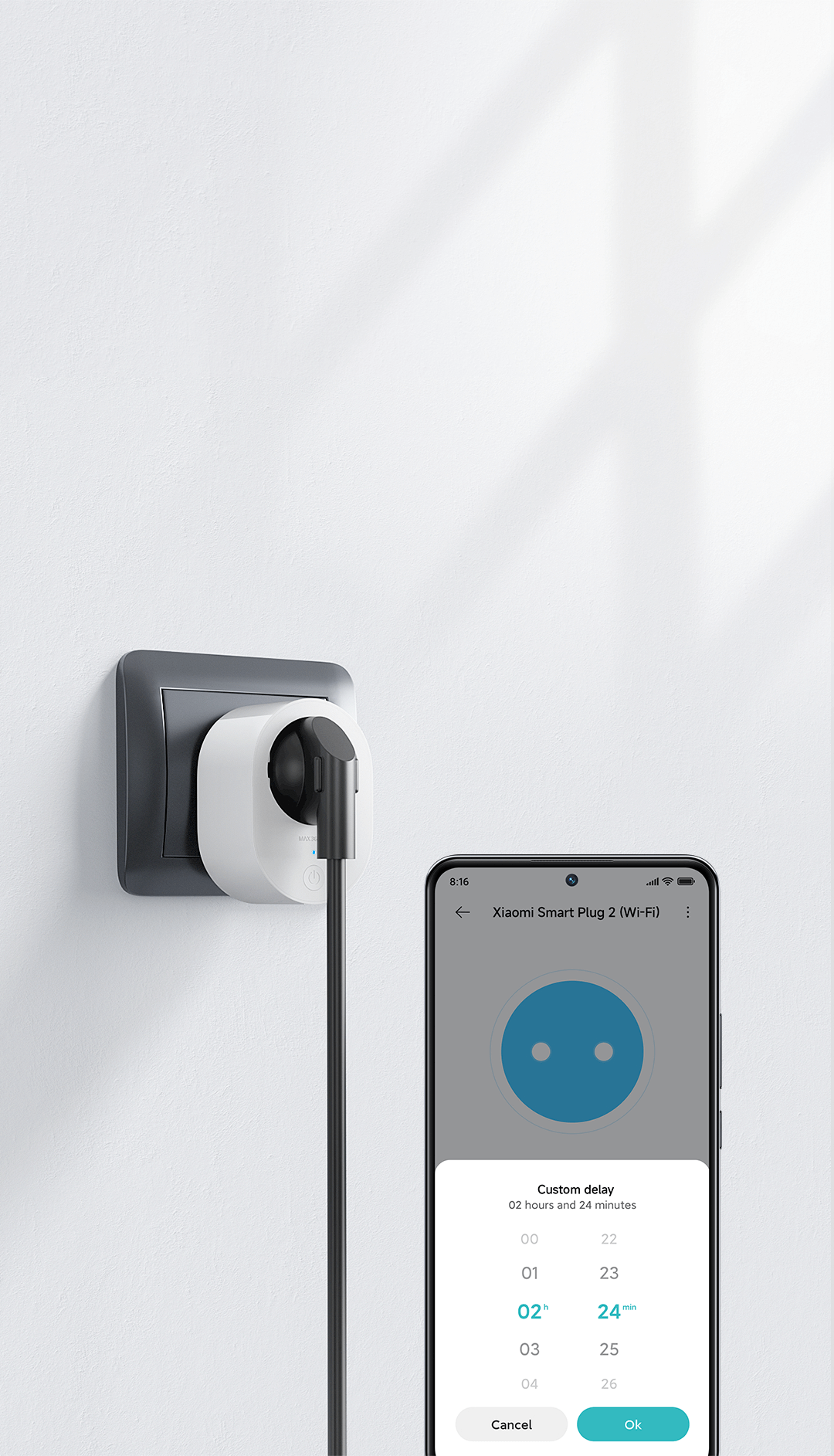
How Zigbee Smart Plugs Work and What You Need to Get Started
Understanding the magic behind a Zigbee smart plug reveals its true genius. It’s all about efficient communication and network design.
What is Zigbee Technology?
Zigbee is built upon the IEEE 802.15.4 standard, operating on the 2.4 GHz radio frequency band, much like Wi-Fi. However, that’s where the similarities largely end. Zigbee distinguishes itself with its mesh networking capability. This means that every mains-powered Zigbee device, including your smart plugs, acts as a repeater. Rather than each device needing a direct connection to a central router (which is how Wi-Fi typically works), Zigbee devices can relay signals to one another, extending the network’s range and improving its overall stability and reliability. If one device goes offline, the network can “self-heal” by finding an alternative path for communication. This distributed approach ensures that your smart home remains responsive and connected throughout your property.
The Essential Role of a Zigbee Hub
While Wi-Fi smart plugs connect directly to your existing Wi-Fi router, a Zigbee smart plug requires a dedicated Zigbee hub, sometimes called a gateway or bridge. This hub acts as the central coordinator for your Zigbee network, translating Zigbee signals into a language your home internet and smartphone can understand. Popular examples include the Philips Hue Bridge, Samsung SmartThings Hub, Amazon Echo devices with a built-in Zigbee hub (like the Echo 4th Gen or Echo Show 10), and open-source solutions like Home Assistant. The hub connects to your internet, allowing you to control your Zigbee devices from anywhere using a smartphone app or voice commands. Without a hub, your Zigbee devices can’t communicate with your broader home network or the internet.
What You Need to Begin Your Zigbee Smart Plug Journey
Getting started with Zigbee is straightforward once you have the right components. Here’s what you’ll need:
- A Zigbee Smart Plug: The star of the show, ready to be plugged into any standard wall outlet.
- A Compatible Zigbee Hub: As discussed, this is the brain of your Zigbee network. Ensure your chosen hub is compatible with the specific brand of smart plug, though Zigbee’s open standard aims for broad interoperability.
- A Smartphone or Tablet: To download the hub’s companion app for initial setup, control, and automation.
- An Internet Connection: To allow your hub to connect to cloud services for remote access and updates.
With these in hand, you’re ready to transform your home into a smarter, more responsive living space.
Step-by-Step Guide to Installing and Using Your Zigbee Smart Plug
Getting your new Zigbee smart plug up and running is typically a hassle-free process. Here’s a general guide to help you integrate it into your smart home.
Initial Setup and Pairing Process
- Power Up Your Plug: Find an available wall outlet and simply plug in your Zigbee smart plug. Many plugs will immediately enter a “pairing mode,” indicated by a blinking LED light. If not, consult the plug’s manual; usually, a long press of its physical button will initiate pairing.
- Activate Your Hub’s Pairing Mode: Open the smartphone app associated with your Zigbee hub (e.g., Philips Hue app, SmartThings app, Alexa app). Look for an option to “Add Device,” “Discover Devices,” or put the hub into “Pairing Mode.”
- Automatic Discovery: Your hub will then scan for new Zigbee devices. If successful, your smart plug should appear in the app within seconds. For compatible Amazon Echo devices, you can simply say, “Alexa, discover devices,” and your Echo will find it automatically.
- Confirmation and Configuration: Once discovered, the smart plug’s LED light will likely stop blinking and glow solid, indicating a successful connection. You can then name the device (e.g., “Living Room Lamp,” “Coffee Machine”) and assign it to a room within the app for easier management.
Essential Usage and Control
- Remote Control: With your Zigbee smart plug connected, you can now turn the plugged-in appliance on or off directly from your smartphone app, no matter where you are.
- Voice Commands: Integrate your plug with voice assistants like Amazon Alexa or Google Assistant. Once linked, a simple command like “Alexa, turn on the living room lamp” gives you hands-free control.
- Manual Override: Most Zigbee smart plugs come with a physical button on the side. This allows you to manually turn the connected device on or off directly at the outlet, which is handy if your internet is down or your phone isn’t nearby.
Tips and Tricks to Maximize Your Zigbee Smart Plug Utility
Once you’ve mastered the basics, a Zigbee smart plug can do so much more than just turn things on and off. Here’s how to unlock its full potential.
Harnessing Energy Monitoring Capabilities
Many Zigbee smart plugs come equipped with built-in energy monitoring. This feature is a game-changer for eco-conscious homeowners and those looking to trim down electricity bills. Use the companion app to:
- Track Real-Time Consumption: See exactly how much power a device is drawing at any moment.
- Identify Energy Hogs: Discover which appliances are consuming the most energy, even when on standby. This insight can help you make informed decisions about when to use certain devices or if an upgrade is needed.
- Review Historical Data: Look at daily, weekly, or monthly energy usage patterns to understand and optimize your consumption over time.
Mastering Scheduling and Automation
This is where the true “smart” aspect of your Zigbee smart plug shines. Leverage the automation features within your hub’s app:
- Set Schedules: Automate daily routines. Have your coffee maker start brewing at 7 AM, turn on a bedside lamp at sunset, or switch off all entertainment devices at midnight.
- Create Scenes: Group multiple actions together. A “Good Morning” scene could turn on your bedroom light, activate your smart plug for the kettle, and open your smart blinds simultaneously.
- Event-Triggered Automation: Link your smart plug to other smart home devices. For example, a motion sensor could turn on a light plugged into your smart plug when you enter a room, or your geo-location could trigger lights to come on when you’re almost home.
Optimizing Your Zigbee Mesh Network
Remember, Zigbee creates a mesh network where each powered device extends the signal. To get the best performance:
- Strategic Placement: Place Zigbee smart plugs strategically throughout your home, especially between your hub and other Zigbee devices that might be further away. This strengthens the network and ensures reliable communication.
- Avoid Obstructions: While Zigbee signals can pass through walls, dense materials or large metal objects can degrade performance. Try to keep plugs in open areas where possible.
- Regular Updates: Keep your Zigbee hub’s firmware and your smart plug’s software updated. Manufacturers often release updates that improve performance, stability, and security.
The Benefits of Zigbee Smart Plugs: Energy Saving, Safety, and Convenience
Choosing a Zigbee smart plug isn’t just about technological preference; it’s about embracing a suite of tangible benefits that enhance your daily life.
Significant Energy Savings
One of the most compelling advantages of Zigbee smart plugs is their efficiency. Zigbee is a low-power protocol by design, meaning Zigbee devices, including smart plugs, consume significantly less standby power compared to their Wi-Fi counterparts. This translates to noticeable savings on your electricity bill over time, especially when you have multiple smart plugs. By tracking energy usage and allowing you to remotely power down devices that might otherwise be drawing “phantom load,” Zigbee smart plugs empower you to be a more energy-conscious homeowner.
Enhanced Control and Unmatched Convenience
The ability to control your appliances from anywhere is a cornerstone of smart home living. With a Zigbee smart plug, you gain:
- Remote Management: Whether you’re at work or on vacation, you can check on and control your plugged-in devices via your smartphone app. Forgot to turn off your hair straightener? No problem, a quick tap on your phone solves it.
- Voice Activation: Seamless integration with popular voice assistants like Amazon Alexa and Google Assistant means hands-free control. Just speak your command, and your devices respond.
- Automated Routines: Set up schedules and automations that fit your lifestyle, turning lights on when you wake, fans off when you leave, or even creating a “movie night” scene that dims lights and powers on entertainment systems with a single command.
Improved Safety and Security
A Zigbee smart plug also contributes to a safer and more secure home environment:
- “Away Mode” Deterrence: Schedule lights to turn on and off randomly when you’re away, making it appear as though your home is occupied and deterring potential intruders.
- Overload Protection: Many smart plugs include features that can detect an electrical overload and automatically shut off power, protecting your appliances from damage.
- Robust Encryption: Zigbee utilizes 128-bit AES encryption, the same level of security used by many financial institutions, ensuring that your device communications are private and secure from unauthorized access.
Superior Network Reliability and Scalability
Unlike Wi-Fi, which can become congested with too many devices, Zigbee’s mesh network offers:
- Reduced Interference: By operating on its own network, Zigbee minimizes interference with your existing Wi-Fi, leading to a more stable smart home and a faster, more reliable internet connection for your other devices.
- Extended Range: Each powered Zigbee device acts as a repeater, extending the reach of your smart home network. This means you can have devices further away from your main hub and still maintain strong, reliable connections.
- Scalability: You can start with just a few Zigbee smart plugs and easily expand your system over time without worrying about network bottlenecks. The more Zigbee devices you add, the stronger and more resilient your mesh network becomes.
Advanced Features and Smart Home Ecosystem Integration
The true power of a Zigbee smart plug is revealed when it becomes a pivotal part of a larger, interconnected smart home ecosystem.
Cross-Compatibility and Interoperability
One of Zigbee’s greatest strengths is its commitment to an open standard. This means that devices from various manufacturers can often communicate and work together seamlessly, provided they are connected through a compatible hub. For instance, an Innr Zigbee smart plug can often integrate with a Philips Hue Bridge, and devices from brands like Aqara or Third Reality can connect to a Samsung SmartThings hub or Home Assistant. This interoperability gives you the freedom to choose the best devices for your needs, rather than being locked into a single brand, fostering a richer and more versatile smart home experience.
Advanced Automation Scenarios
Beyond simple schedules, Zigbee smart plugs can participate in complex automation routines:
- Environmental Control: Combine a Zigbee smart plug with a temperature or humidity sensor. For example, if a room gets too warm, the smart plug can automatically activate a fan; if humidity rises too high, it can turn on a dehumidifier.
- Security Routines: Link your smart plugs to door or window sensors. If a sensor detects an unauthorized entry while you’re away, specific lights can turn on to deter intruders, or a siren plugged into the smart plug can be triggered.
- Energy Management Systems: When paired with a sophisticated smart home hub like Home Assistant, Zigbee smart plugs with energy monitoring can provide detailed insights into appliance consumption, allowing for advanced energy-saving rules. You could automatically power down non-essential devices during peak electricity rates or when solar panels aren’t generating enough power.
The Evolving Landscape: Matter and Future Integration
While Zigbee has been a cornerstone of smart home connectivity for years, the smart home industry is constantly evolving. A notable development is Matter, a new open-source connectivity standard designed to ensure even broader interoperability across smart home devices, regardless of their underlying wireless protocol. Matter aims to simplify setup and strengthen security, often building upon established technologies like Zigbee, Wi-Fi, and Thread. As Matter-certified devices become more prevalent, Zigbee smart plugs are well-positioned to integrate into this next generation of smart homes, further cementing their role as a foundational element for seamless automation and connectivity. This forward-looking compatibility ensures that your investment in Zigbee technology remains valuable for years to come.
Conclusion
The Zigbee smart plug stands out as an indispensable tool for anyone serious about intelligent home automation. With its robust mesh networking capabilities, inherent energy efficiency, and high level of security, it offers a superior foundation for a connected lifestyle. From effortlessly controlling appliances with your voice or smartphone to meticulously tracking energy consumption and creating complex automation routines, Zigbee smart plugs deliver convenience, savings, and peace of mind. As the smart home landscape continues to evolve, their foundational role in creating resilient, interoperable ecosystems ensures that a Zigbee smart plug isn’t just a smart choice for today, but a future-proof investment for a truly optimized home. Take the leap, experiment with a Zigbee smart plug, and experience the transformative power of a truly intelligent living space.