In the bustling world of smart home technology, the term “Smart Plug” has become synonymous with effortless control and enhanced convenience. For dedicated Apple users, the quest for a seamless smart home experience often leads to the question: what exactly is an Apple Smart Plug? While Apple itself doesn’t manufacture a branded smart plug, the true “Apple Smart Plug” experience lies within the vast ecosystem of HomeKit-compatible smart plugs. These devices effortlessly integrate with your iPhone, iPad, Apple Watch, and HomePod, transforming ordinary appliances into smart, voice-controlled marvels. This guide will take you through everything you need to know about these essential accessories, helping you elevate your home automation to a new level of sophistication and ease.
|
Our Picks for the Best Smart Plug in 2026
As an Amazon Associate I earn from qualifying purchases.
|
||
| Num | Product | Action |
|---|---|---|
| 1 | Kasa Smart Plug Mini 15A, Smart Home Wi-Fi Outlet Works with Alexa, Google Home & IFTTT, No Hub Required, UL Certified, 2.4G WiFi Only, 4-Pack(EP10P4) , White |

|
| 2 | Kasa Smart Plug HS103P2, Smart Home Wi-Fi Outlet Works with Alexa, Echo, Google Home & IFTTT, No Hub Required, Remote Control,15 Amp,UL Certified, (Pack of 2) White |
|
| 3 | Kasa Smart Plug Ultra Mini 15A, Smart Home Wi-Fi Outlet Works with Alexa, Google Home & IFTTT, No Hub Required, UL Certified, 2.4G WiFi Only, 1-Pack(EP10), White |
|
| 4 | Kasa Smart Plug Ultra Mini 15A, Smart Home Wi-Fi Outlet Works with Alexa, Google Home & IFTTT, No Hub Required, UL Certified, 2.4G WiFi Only, 2 Count (Pack of 1)(EP10P2) , White |
|
| 5 | Kasa Smart Plug HS103P3, Smart Home Wi-Fi Outlet Works with Alexa, Echo, Google Home & IFTTT, No Hub Required, Remote Control,15 Amp,UL Certified, White, 3 Count (Pack of 1) |
|
| 6 | Sense Energy Monitor - Track Electricity Usage in Real Time and Save Money - Meets Rigorous ETL/Intertek Safety Standards |
|
| 7 | Amazon Smart Plug - Works with Alexa - Simple setup, endless possibilities |
|
| 8 | Kasa Matter Smart Plug w/ Energy Monitoring, Compact Design, 15A/1800W Max, Super Easy Setup, Works with Apple Home, Alexa & Google Home, UL Certified, 2.4G Wi-Fi Only, White, KP125M (4-Pack) |
|
| 9 | Kasa Smart Plug HS103P4, Smart Home Wi-Fi Outlet Works with Alexa, Echo, Google Home & IFTTT, No Hub Required, Remote Control, 15 Amp, UL Certified, 4-Pack, White |
|
| 10 | GHome Smart Plug, WiFi Smart Plugs Work with Alexa and Google Home, Smart Outlet Timer with APP Remote Control, 2.4GHz Wi-Fi Only, No Hub Required, ETL FCC Listed |
|
What Exactly is an “Apple Smart Plug” and Why Does it Matter?
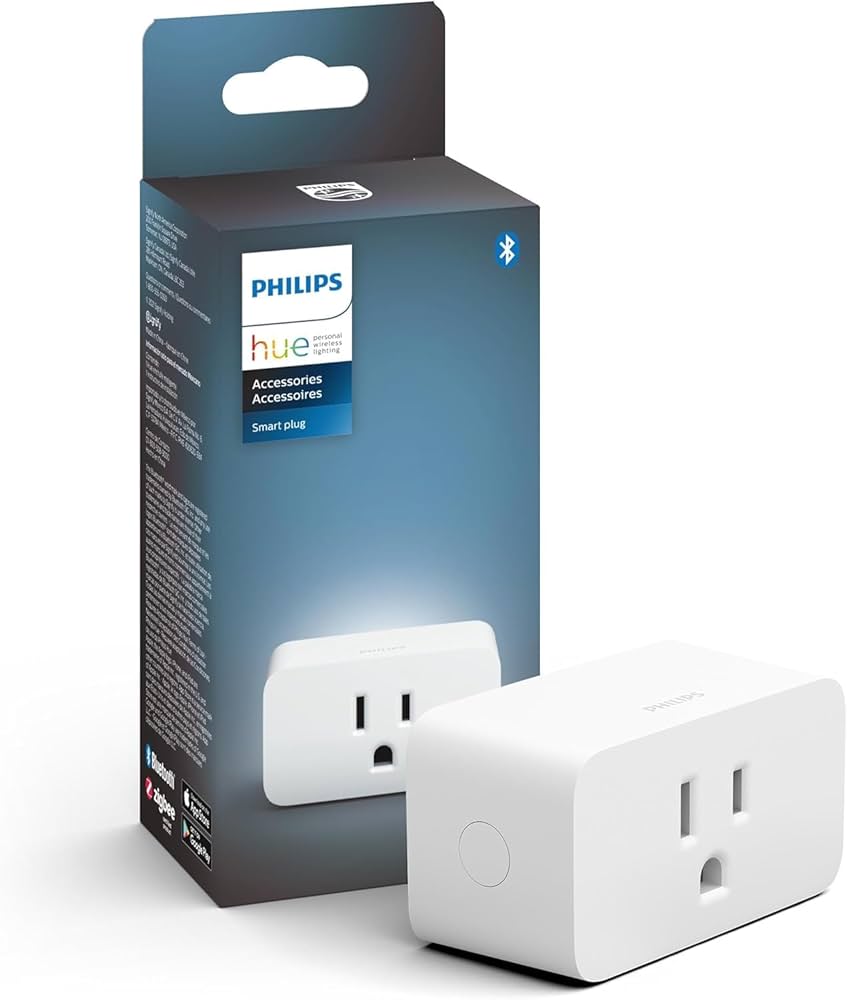
At its core, a smart plug is a simple device that plugs into a standard electrical outlet and then allows you to plug in any electrical appliance. The magic happens because this plug can be controlled remotely via an app on your smartphone or through voice commands. When we talk about an “Apple Smart Plug,” we’re referring to any smart plug that is certified to work with Apple HomeKit. This certification ensures a smooth, secure, and reliable integration with your Apple devices and the Home app.
The significance for Apple users is profound. HomeKit-compatible smart plugs mean you don’t need a separate app for each device; everything can be managed from the familiar Apple Home app. This uniformity simplifies your smart home setup and provides a cohesive user experience, aligning perfectly with the Apple ecosystem’s renowned ease of use.
How HomeKit Smart Plugs Work and What You Need to Get Started
HomeKit smart plugs operate by providing a controllable power gateway to your non-smart devices. Plug in a lamp, a coffee maker, or even a fan, and suddenly, these devices can be turned on or off from your phone, scheduled to operate at specific times, or even activated by other smart home triggers.
Most HomeKit smart plugs connect to your home Wi-Fi network, allowing for reliable communication. Some newer models also support Thread, a low-power, mesh networking technology that creates an even more responsive and robust smart home network. To get started, you’ll primarily need:
- An Apple Device: An iPhone, iPad, or iPod touch running the latest iOS/iPadOS.
- The Apple Home App: Pre-installed on your Apple devices, this is your central control hub.
- A Wi-Fi Network: A stable 2.4 GHz Wi-Fi connection for most plugs.
- A Home Hub (Optional, but Recommended): For remote access and advanced automations, a HomePod, HomePod mini, Apple TV (4th generation or later), or a dedicated iPad (always powered on and at home) acts as your home hub, enabling control when you’re away and running complex scenes.
“HomeKit’s robust security features and user-friendly interface make it a top choice for Apple enthusiasts building a smart home,” notes Dr. Elara Vance, a Smart Home Integration Specialist. “The ecosystem prioritizes privacy, giving users peace of mind that their data is secure.”
Seamless Setup: Your Guide to Integrating Smart Plugs with Apple Home
Setting up an Apple Smart Plug (HomeKit-compatible) is designed to be incredibly straightforward, mirroring Apple’s philosophy of user-friendly technology. Forget complicated pairing processes; with HomeKit, it’s often as simple as scanning a code.
Here’s a step-by-step guide to bring your smart plug into the Apple Home ecosystem:
- Power It Up: Plug your new HomeKit smart plug into a wall outlet. Wait for any indicator lights to show it’s powered on and ready for pairing (this often involves a blinking light).
- Open the Home App: On your iPhone or iPad, open the Apple Home app.
- Add Accessory: Tap the ‘+’ icon in the upper right corner, then select “Add Accessory.”
- Scan the HomeKit Code: Use your device’s camera to scan the unique 8-digit HomeKit setup code or QR code found on the plug itself, its packaging, or in the user manual. If scanning isn’t an option, you can manually enter the code.
- Identify and Customize: Once recognized, the Home app will prompt you to name the smart plug (e.g., “Living Room Lamp,” “Coffee Maker”) and assign it to a specific room in your home (e.g., “Living Room,” “Kitchen”). This helps with organization and voice commands.
- Review and Finish: Confirm your settings, and your smart plug is now part of your Apple Home!
You can now control the plug directly from the Home app, add it to scenes, and interact with it using Siri voice commands.
Maximizing Your Smart Plug’s Potential: Tips, Tricks, and Smart Automations
The true power of an Apple Smart Plug extends far beyond simple on/off control. By leveraging the features within the Apple Home app, you can unlock a world of convenience and efficiency.
- Scheduling Devices: Set your lights to turn on automatically at sunset and off at bedtime, or have your coffee maker start brewing just before your alarm goes off. This is perfect for daily routines.
- Remote Access: With a home hub (HomePod, Apple TV, or iPad acting as a hub), you can control your smart plugs from anywhere in the world. Forgot to turn off the iron? No problem, a quick tap in the Home app will do the trick.
- Energy Monitoring: Many HomeKit smart plugs, such as the Eve Energy, come with built-in energy monitoring capabilities. This allows you to track power consumption of connected devices, helping you identify energy vampires and potentially save on electricity bills.
- Creating Automations: This is where your smart home truly shines.
- Time-based automations: “Turn on the porch light at dusk.”
- Location-based automations: “Turn off all lights when I leave home.”
- Accessory-based automations: “If the motion sensor detects movement in the hallway, turn on the hallway light for 5 minutes.”
- Voice Commands with Siri: Simply say, “Hey Siri, turn on the desk lamp” or “Hey Siri, good morning” to trigger a scene that might turn on several smart plugs simultaneously.
The Benefits Beyond Convenience: Why Every Apple User Needs a Smart Plug
Integrating Apple Smart Plugs into your home offers a multitude of benefits that go beyond just the cool factor of voice control.
- Energy Efficiency and Cost Savings: By scheduling devices and monitoring energy consumption, you gain better control over your electricity usage. Automatically turning off devices when not in use or during off-peak hours can lead to noticeable savings on your utility bills.
- Enhanced Home Safety: Smart plugs can significantly improve safety. Forgetting to turn off a fan or a curling iron is no longer a worry with remote control. You can also simulate occupancy by having lights turn on and off randomly when you’re away, deterring potential intruders.
- Unparalleled Convenience: Imagine walking into a perfectly lit home, having your favorite music start playing, and your coffee already brewing – all triggered by your arrival or a single voice command. Smart plugs make this everyday luxury a reality.
- Peace of Mind: Knowing you have control over your home appliances, even when you’re miles away, provides an invaluable sense of security and peace of mind.
- Future-Proofing with Thread and Matter: Newer HomeKit smart plugs are embracing Thread and will soon support Matter, the new smart home interoperability standard. This ensures your investment is ready for the future, offering faster response times and broader compatibility across different smart home platforms (though your primary interface with an “Apple Smart Plug” will remain HomeKit).
Diving Deeper: Advanced Features and the Evolving HomeKit Ecosystem
The world of HomeKit smart plugs is constantly evolving, bringing more sophisticated features to the forefront. Understanding these can help you build an even more intelligent and responsive smart home.
- Thread Connectivity: While Wi-Fi is standard, Thread-enabled smart plugs offer advantages like improved responsiveness, reduced latency, and the ability to create a self-healing mesh network, meaning devices can communicate more reliably even if one device goes offline. Devices like the Eve Energy are pioneers in this space.
- Matter Compatibility: Matter is a new open-source standard designed to make smart home devices from different manufacturers work together seamlessly. While HomeKit already provides a unified experience within Apple’s ecosystem, Matter will further enhance interoperability, ensuring that a “Matter-compatible” smart plug will work effortlessly with HomeKit, alongside other Matter controllers.
- Power Consumption Monitoring: As mentioned, some advanced smart plugs offer real-time and historical power consumption data, allowing for granular control over energy usage and providing insights into appliance efficiency.
- Home Hub’s Crucial Role: For advanced automations that run without manual intervention, or for remote access when you’re not home, a dedicated Home Hub (like a HomePod mini or Apple TV) is indispensable. It acts as the brain of your HomeKit setup, executing commands and maintaining connections.
Frequently Asked Questions about Apple Smart Plugs
Do I need an Apple ID to use HomeKit smart plugs?
Yes, you need an Apple ID to set up and use the Apple Home app, which is essential for controlling HomeKit-compatible smart plugs and managing your smart home.
Are all smart plugs compatible with Apple HomeKit?
No, not all smart plugs are HomeKit compatible. When purchasing, always look for the “Works with Apple HomeKit” badge on the product packaging to ensure seamless integration with your Apple ecosystem.
Can I control HomeKit smart plugs when I’m away from home?
Yes, you can control HomeKit smart plugs remotely, but you need a Home Hub (HomePod, HomePod mini, Apple TV, or a dedicated iPad) set up in your home. This hub facilitates secure communication when you’re away.
What’s the difference between Wi-Fi and Thread smart plugs?
Wi-Fi smart plugs connect directly to your home Wi-Fi network. Thread smart plugs create a mesh network, which can offer better reliability, faster response times, and extend the range of your smart home network, especially beneficial for larger homes or numerous devices.
Can I use Siri to control my smart plugs?
Absolutely! Once set up in the Apple Home app, you can use Siri on your iPhone, iPad, Apple Watch, HomePod, or Mac to control individual smart plugs or trigger scenes that involve multiple devices.
What are some popular HomeKit smart plug brands?
Some well-known brands that offer reliable HomeKit-compatible smart plugs include Eve, Meross, Belkin Wemo, and TP-Link Kasa (specific models). Always check for the HomeKit certification.
Conclusion
The “Apple Smart Plug” experience is all about seamless integration, intuitive control, and the peace of mind that comes with a secure and private smart home ecosystem. While Apple may not offer its own branded hardware, the market is rich with HomeKit-compatible smart plugs that bring unparalleled convenience, energy efficiency, and enhanced safety to your home. By understanding how these devices work and how to leverage the powerful features within the Apple Home app, you can transform your living space into a truly intelligent environment. Dive in, explore the possibilities, and experience the future of home automation today. Your journey to a smarter, more connected home starts with the humble yet mighty smart plug, perfectly harmonized with your Apple devices.