Welcome to the future of home automation! If you’re envisioning a home where every device responds to your command, enhances your comfort, and protects your peace of mind, then you’ve likely heard whispers of smart plugs. But for those truly looking to build a robust and reliable connected living space, the Z-Wave smart plug isn’t just another gadget; it’s a foundational element. Imagine effortlessly controlling your lamps, fans, and small appliances, all while enjoying unparalleled stability and top-tier security. This guide will dive deep into why Z-Wave smart plugs are quickly becoming the go-to choice for homeowners ready to upgrade their lives.
|
Our Picks for the Best Smart Plug in 2026
As an Amazon Associate I earn from qualifying purchases.
|
||
| Num | Product | Action |
|---|---|---|
| 1 | Kasa Smart Plug HS103P4, Smart Home Wi-Fi Outlet Works with Alexa, Echo, Google Home & IFTTT, No Hub Required, Remote Control, 15 Amp, UL Certified, 4-Pack, White |

|
| 2 | Kasa Smart Plug Ultra Mini 15A, Smart Home Wi-Fi Outlet Works with Alexa, Google Home & IFTTT, No Hub Required, UL Certified, 2.4G WiFi Only, 1-Pack(EP10), White |
|
| 3 | Amazon Smart Plug - Works with Alexa - Simple setup, endless possibilities |
|
| 4 | Kasa Smart Plug HS103P2, Smart Home Wi-Fi Outlet Works with Alexa, Echo, Google Home & IFTTT, No Hub Required, Remote Control,15 Amp,UL Certified, (Pack of 2) White |
|
| 5 | Kasa Matter Smart Plug w/ Energy Monitoring, Compact Design, 15A/1800W Max, Super Easy Setup, Works with Apple Home, Alexa & Google Home, UL Certified, 2.4G Wi-Fi Only, White, KP125M (4-Pack) |
|
| 6 | Kasa Smart Plug HS103P3, Smart Home Wi-Fi Outlet Works with Alexa, Echo, Google Home & IFTTT, No Hub Required, Remote Control,15 Amp,UL Certified, White, 3 Count (Pack of 1) |
|
| 7 | Sense Energy Monitor - Track Electricity Usage in Real Time and Save Money - Meets Rigorous ETL/Intertek Safety Standards |
|
| 8 | GHome Smart Plug, WiFi Smart Plugs Work with Alexa and Google Home, Smart Outlet Timer with APP Remote Control, 2.4GHz Wi-Fi Only, No Hub Required, ETL FCC Listed |
|
| 9 | Kasa Smart Plug Mini 15A, Smart Home Wi-Fi Outlet Works with Alexa, Google Home & IFTTT, No Hub Required, UL Certified, 2.4G WiFi Only, 4-Pack(EP10P4) , White |
|
| 10 | Kasa Smart Plug Ultra Mini 15A, Smart Home Wi-Fi Outlet Works with Alexa, Google Home & IFTTT, No Hub Required, UL Certified, 2.4G WiFi Only, 2 Count (Pack of 1)(EP10P2) , White |
|
What Exactly is a Z-Wave Smart Plug and Why Should You Care?
At its core, a Z-Wave smart plug is a compact device that simply plugs into any standard wall outlet, instantly transforming a “dumb” appliance into a smart one. But here’s where it gets interesting: unlike many common smart plugs that rely solely on your home’s Wi-Fi network, Z-Wave devices operate on their own dedicated low-frequency wireless protocol. This distinct approach uses a mesh network, where each Z-Wave device acts as a signal repeater, strengthening and extending the network’s reach throughout your home. This means your commands are more likely to reach their destination without a hitch, leading to a much smoother, more responsive smart home experience. It’s like having a private, highly efficient communication highway for your smart devices.
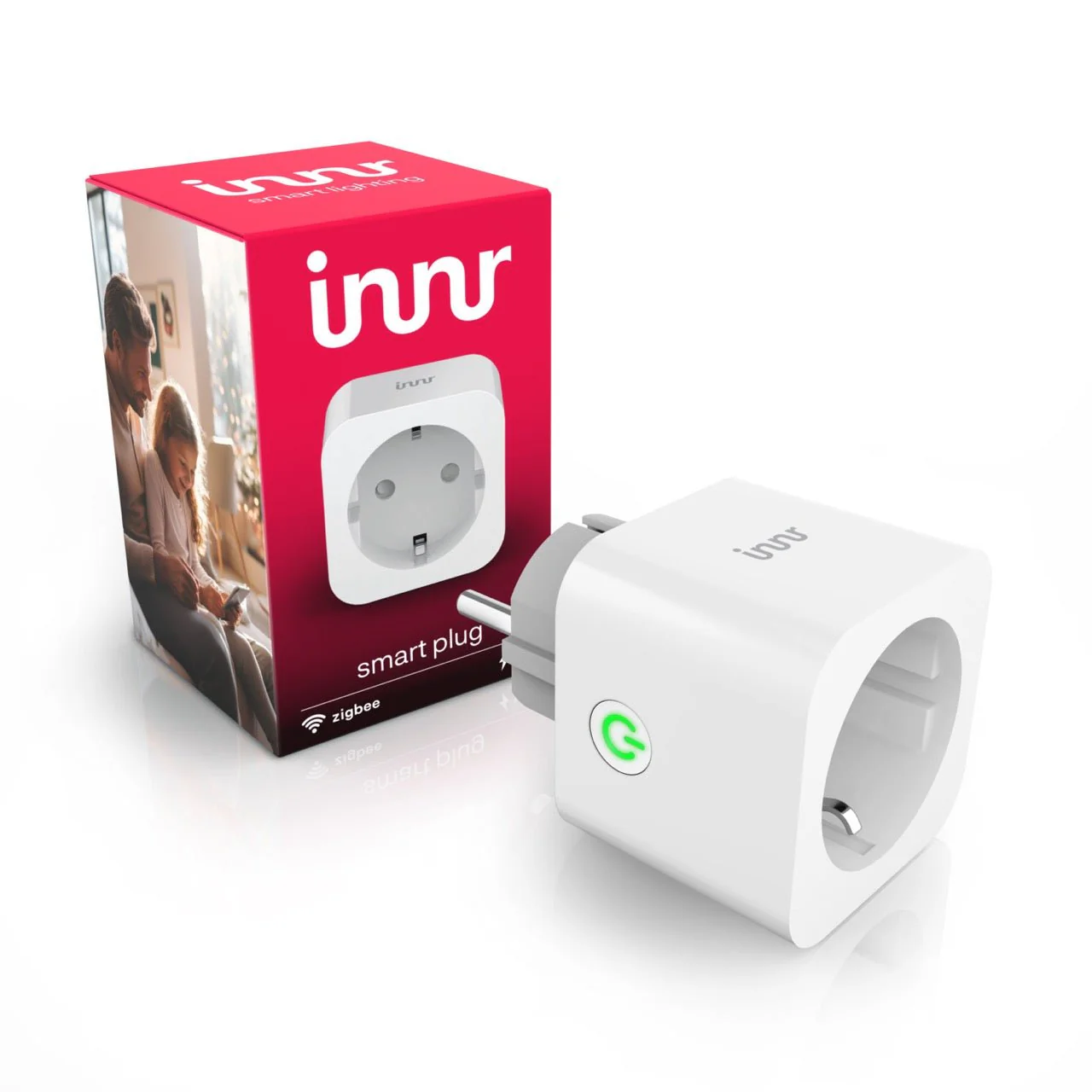
Z-Wave vs. Wi-Fi: Unplugging the Differences for Your Smart Home
When it comes to smart plugs, the market is primarily split between Wi-Fi and Z-Wave technologies. While Wi-Fi plugs are ubiquitous and often seem simpler to set up initially, Z-Wave smart plugs offer distinct advantages that become crucial for a truly integrated and dependable smart home.
Here’s a quick breakdown:
- Reliability & Connectivity: Wi-Fi devices can suffer from network congestion and interference, leading to frustrating dropouts and slow responses. Z-Wave, however, operates on a less crowded frequency band (around 900 MHz in North America), reducing interference and offering a more stable connection. Its mesh network inherently improves reliability and coverage, ensuring commands reach devices even in areas with weak signals. [cite: 1, 2, 3 (search 2), 5 (search 2)]
- Range: While Wi-Fi signals can be hampered by walls and obstacles, Z-Wave signals penetrate building materials more effectively. Standard Z-Wave can cover up to 100 meters (328 feet) in open spaces, and newer Z-Wave 800 series chips boast “Long Range” capabilities that can extend coverage up to a mile if your hub supports it. [cite: 1 (search 1), 3 (search 2), 5 (search 1)]
- Power Consumption: Z-Wave devices are designed for ultra-low power consumption, which is why they’re often preferred for battery-powered sensors that need to last for years. For smart plugs, this means a negligible energy footprint, making your smart home more energy-efficient overall. [cite: 1, 2, 4, 5 (search 2)]
- Security: Z-Wave employs robust AES 128-bit encryption, specifically the advanced S2 security framework in newer generations, providing a stronger defense against cyber threats compared to many Wi-Fi devices. [cite: 1 (search 1), 3 (search 1)]
- Interoperability: This is a big one. The Z-Wave Alliance rigorously certifies devices, guaranteeing that all Z-Wave certified products, regardless of manufacturer, will work seamlessly together within the same network. This eliminates compatibility headaches and offers vast flexibility in choosing devices. [cite: 1 (search 1), 3 (search 2), 1, 2, 3, 5 (search 5)]
- Hub Requirement: While most Wi-Fi smart plugs connect directly to your router, Z-Wave smart plugs require a dedicated Z-Wave hub or controller (like SmartThings, Hubitat, or Home Assistant) to manage the network and facilitate communication.
What Makes Z-Wave the Preferred Choice for Critical Smart Home Functions?
Z-Wave’s dedicated network and robust mesh architecture provide superior stability and reliability, ensuring that essential automations like security lighting or scheduled routines execute consistently without relying on a potentially congested Wi-Fi network.
How Z-Wave Smart Plugs Work Their Magic (and What You’ll Need)
The magic of a Z-Wave smart plug lies in its unique communication method. Unlike Wi-Fi devices that all vie for bandwidth on your router, Z-Wave devices form a “mesh network.” Think of it like a team of communicators: when you send a command from your smartphone (via your Z-Wave hub), it doesn’t have to reach the target plug directly. Instead, it can hop from one Z-Wave device to another until it reaches its destination. Every always-on Z-Wave device, including your smart plugs, acts as a repeater, extending the range and resilience of your network. The more Z-Wave devices you have, the stronger and more reliable your network becomes.
Do I Need a Special Hub for a Z-Wave Smart Plug?
Yes, a dedicated Z-Wave hub or controller is essential. This hub acts as the brain of your Z-Wave network, translating commands from your smartphone app or voice assistant into Z-Wave signals and managing all your Z-Wave devices. Popular hubs include Samsung SmartThings, Hubitat Elevation, Vera, and Home Assistant.
“The mesh networking capability of Z-Wave is a game-changer,” explains Emily Carter, a Smart Home Systems Architect. “It ensures that even if one device is out of direct range, the signal can still find its way, creating an incredibly robust and self-healing network. This is fundamentally different from a hub-and-spoke Wi-Fi setup.”
Getting Connected: A Simple Guide to Installing Your Z-Wave Smart Plug
Integrating a Z-Wave smart plug into your home automation system is usually a straightforward process. Here’s a general step-by-step guide:
- Power It Up: Plug your new Z-Wave smart plug into a standard wall outlet.
- Activate Pairing Mode on Your Hub: Open your Z-Wave hub’s mobile app (e.g., SmartThings, Home Assistant) and navigate to the “Add Device” or “Inclusion” section. The app will guide you to put your hub into pairing mode.
- Initiate Pairing on the Plug: Most Z-Wave smart plugs have a physical button. You’ll typically need to press it a specific number of times (e.g., three quick presses) or hold it down for a few seconds until an LED indicator light starts blinking. This tells the plug to search for a Z-Wave network.
- Confirm Inclusion: Once the plug and hub connect, the plug’s LED indicator will usually change to a solid light or turn off, and your hub’s app will confirm that a new device has been found and added to your network.
- Name and Configure: Follow the app’s prompts to name your new smart plug (e.g., “Living Room Lamp,” “Coffee Maker”) and configure any initial settings.
For even simpler setup, many modern Z-Wave devices are “SmartStart” enabled. This allows you to add a device by simply scanning a QR code on the product packaging with your controller and then powering on the device. It will automatically be included in your network within minutes. [cite: 1 (search 3)]
What’s the Easiest Way to Add a New Z-Wave Smart Plug?
SmartStart inclusion is often the simplest method. By scanning the Z-Wave QR code on the product with a compatible controller, the smart plug will automatically join your network within 10 minutes of being plugged in, without further manual interaction. [cite: 1 (search 3)]
Beyond On/Off: Maximizing the Utility of Your Z-Wave Smart Plugs
While basic on/off control is handy, the true power of your Z-Wave smart plug comes alive when integrated into your smart home ecosystem.
- Energy Monitoring: Many Z-Wave smart plugs feature built-in energy monitoring, allowing you to track the power consumption of connected devices in real-time or over time. This data is invaluable for identifying energy hogs and making informed decisions to reduce your electricity bill. [cite: 1 (search 1), 4 (search 1), 5 (search 1)]
- Automation and Scheduling: This is where the fun begins! With your Z-Wave hub, you can create intricate schedules and automation routines. Imagine your coffee maker turning on automatically at 6:30 AM, or your holiday lights illuminating precisely at sunset and turning off at midnight. You can link your plugs to other sensors: a motion sensor in the pantry could activate a light connected to a smart plug, or your “Goodnight” scene could turn off all non-essential plugs.
- Remote & Voice Control: Once integrated with your Z-Wave hub, you can control your smart plugs from anywhere in the world using your smartphone app. Furthermore, most Z-Wave hubs offer compatibility with popular voice assistants like Alexa and Google Assistant, enabling hands-free control with simple voice commands. “Alexa, turn on the living room lamp!”
- Scene Creation: Combine multiple Z-Wave devices into “scenes.” A “Movie Night” scene could dim your lights, turn on your entertainment system, and activate a fan all with a single command.
Can Z-Wave Smart Plugs Help Me Save Energy?
Absolutely! Many Z-Wave smart plugs come with energy monitoring features, allowing you to track power consumption. By understanding which devices use the most energy, you can set schedules or create automations to turn them off when not needed, thereby reducing your overall electricity usage and saving money. [cite: 1 (search 1), 4 (search 1)]
The Unseen Benefits: Security, Reliability, and Longevity in Your Smart Home
Investing in Z-Wave smart plugs isn’t just about convenience; it’s about building a smart home foundation that you can trust for years to come.
- Robust Security: The Z-Wave protocol is built with security in mind. Its AES 128-bit encryption, especially with the S2 security framework in newer devices, provides a robust defense against unauthorized access and cyber threats, safeguarding your privacy and protecting your home. This level of encryption is standard for sensitive data, offering peace of mind.
- Unmatched Reliability: The mesh networking capabilities of Z-Wave mean your smart home becomes more resilient as you add more devices. Signals find alternative routes if one device is unreachable, drastically reducing the “dead spots” and communication failures common in less robust wireless systems. This makes Z-Wave ideal for critical applications like security systems and permanent installations. “Z-Wave’s dedicated frequency means it avoids the noise and congestion that plague Wi-Fi networks, making it incredibly reliable for essential home automation tasks,” notes Benjamin Reed, a cybersecurity expert specializing in IoT.
- Future-Proof Technology: Z-Wave has been a cornerstone of smart home technology for over two decades, and its commitment to backward compatibility is exceptional. This means that devices purchased today are designed to work with future Z-Wave innovations, protecting your investment and allowing your smart home to grow and evolve without fear of obsolescence. The Z-Wave Alliance continually works to ensure standards and interoperability. [cite: 5 (search 5)]
Integrating Z-Wave Smart Plugs into Your Wider Smart Home Ecosystem
One of the most compelling reasons to choose Z-Wave smart plugs is their unparalleled interoperability. Because all Z-Wave certified devices adhere to the same protocol standards, you can mix and match products from hundreds of different manufacturers with confidence. Your Z-Wave hub acts as the central coordinator, allowing everything from smart locks and thermostats to lighting and sensors to communicate seamlessly.
This means you’re not locked into a single brand’s ecosystem, giving you the freedom to choose the best device for each specific need. Want a smart plug from one brand, a door sensor from another, and smart lighting from a third? With Z-Wave, it’s all possible, creating sophisticated automation scenarios that truly respond to your lifestyle. For example, your Z-Wave smart plug connected to a space heater could automatically turn off if a Z-Wave temperature sensor detects the room is too warm, or when you leave the house and your Z-Wave door lock confirms your departure.
Frequently Asked Questions about Z-Wave Smart Plugs
Q1: Can I control Z-Wave smart plugs with Alexa or Google Assistant?
A: Yes, you can! While Z-Wave smart plugs don’t directly connect to Alexa or Google Assistant, they integrate via your Z-Wave hub. Most popular Z-Wave hubs are compatible with these voice assistants, allowing you to issue voice commands to control your connected devices.
Q2: Are Z-Wave smart plugs more expensive than Wi-Fi ones?
A: Generally, Z-Wave smart plugs might have a slightly higher upfront cost than basic Wi-Fi plugs. However, this is often offset by their enhanced reliability, security features, lower power consumption, and long-term interoperability benefits, which can lead to greater savings and a more stable smart home experience over time.
Q3: What types of devices can I plug into a Z-Wave smart plug?
A: Z-Wave smart plugs are ideal for controlling lamps, fans, small kitchen appliances, entertainment systems, and other non-heavy-duty electronics. It’s crucial to check the plug’s amperage rating to ensure it can safely handle the connected device, as some heavy-duty appliances like large motors or heaters may require specialized smart switches. [cite: 4 (search 1)]
Q4: How far can a Z-Wave signal reach?
A: In open air, a standard Z-Wave signal can reach up to 100 meters (328 feet). Within a typical home environment, walls and obstacles will reduce this, but the mesh network capability extends effective coverage by allowing signals to hop between Z-Wave devices, effectively creating a much larger range. Newer “Long Range” 800 series chips offer significantly extended reach. [cite: 1 (search 1)]
Q5: Is Z-Wave technology secure?
A: Yes, Z-Wave is considered one of the most secure smart home protocols. It utilizes robust AES 128-bit encryption, and newer generations incorporate the S2 security framework to prevent unauthorized access, ensuring your smart home remains private and protected from cyber threats. [cite: 1 (search 1)]
Step into a Truly Smart Future with Z-Wave
As the smart home landscape continues to evolve, the demand for reliable, secure, and truly interoperable solutions grows stronger. The Z-Wave smart plug stands out as a critical component in building such a system. Its proven mesh networking technology, low power consumption, enhanced security, and universal compatibility offer a robust foundation for any smart home enthusiast. By choosing Z-Wave, you’re not just buying a product; you’re investing in a future-proof ecosystem that delivers unparalleled control, efficiency, and peace of mind. So, why not take the plunge? Transform your everyday appliances, save energy, and elevate your home into the intelligent sanctuary you’ve always dreamed of. Your smart home journey begins with a plug.