In the exciting landscape of smart home technology, the pursuit of automation often begins with smaller devices. However, the true potential of a connected home lies in extending intelligence to its most robust appliances. Your electric clothes dryer, water heater, oven, or even your electric vehicle (EV) charger – these power-hungry devices operate on 240V. Integrating them into your smart home ecosystem, while presenting unique considerations, can unlock unparalleled convenience, enhance energy efficiency, and provide greater peace of mind.
|
Our Picks for the Best Smart Plug in 2026
As an Amazon Associate I earn from qualifying purchases.
|
||
| Num | Product | Action |
|---|---|---|
| 1 | Kasa Matter Smart Plug w/ Energy Monitoring, Compact Design, 15A/1800W Max, Super Easy Setup, Works with Apple Home, Alexa & Google Home, UL Certified, 2.4G Wi-Fi Only, White, KP125M (4-Pack) |

|
| 2 | Amazon Smart Plug - Works with Alexa - Simple setup, endless possibilities |
|
| 3 | GHome Smart Plug, WiFi Smart Plugs Work with Alexa and Google Home, Smart Outlet Timer with APP Remote Control, 2.4GHz Wi-Fi Only, No Hub Required, ETL FCC Listed |
|
| 4 | Kasa Smart Plug HS103P4, Smart Home Wi-Fi Outlet Works with Alexa, Echo, Google Home & IFTTT, No Hub Required, Remote Control, 15 Amp, UL Certified, 4-Pack, White |
|
| 5 | Sense Energy Monitor - Track Electricity Usage in Real Time and Save Money - Meets Rigorous ETL/Intertek Safety Standards |
|
| 6 | Kasa Smart Plug Ultra Mini 15A, Smart Home Wi-Fi Outlet Works with Alexa, Google Home & IFTTT, No Hub Required, UL Certified, 2.4G WiFi Only, 2 Count (Pack of 1)(EP10P2) , White |
|
| 7 | Kasa Smart Plug Ultra Mini 15A, Smart Home Wi-Fi Outlet Works with Alexa, Google Home & IFTTT, No Hub Required, UL Certified, 2.4G WiFi Only, 1-Pack(EP10), White |
|
| 8 | Kasa Smart Plug HS103P2, Smart Home Wi-Fi Outlet Works with Alexa, Echo, Google Home & IFTTT, No Hub Required, Remote Control,15 Amp,UL Certified, (Pack of 2) White |
|
| 9 | Kasa Smart Plug HS103P3, Smart Home Wi-Fi Outlet Works with Alexa, Echo, Google Home & IFTTT, No Hub Required, Remote Control,15 Amp,UL Certified, White, 3 Count (Pack of 1) |
|
| 10 | Kasa Smart Plug Mini 15A, Smart Home Wi-Fi Outlet Works with Alexa, Google Home & IFTTT, No Hub Required, UL Certified, 2.4G WiFi Only, 4-Pack(EP10P4) , White |
|
What is a 240V Smart Plug and Why Does It Matter?
Essentially, a 240V smart plug is a device engineered to bring intelligent control to appliances requiring a higher voltage power supply. Unlike the standard 120V outlets commonly found in North American homes for everyday electronics, 240V outlets deliver roughly double the voltage. This increased voltage is crucial for larger appliances that demand more power to operate efficiently, such as electric dryers, central air conditioning units, electric ranges, and water heaters.
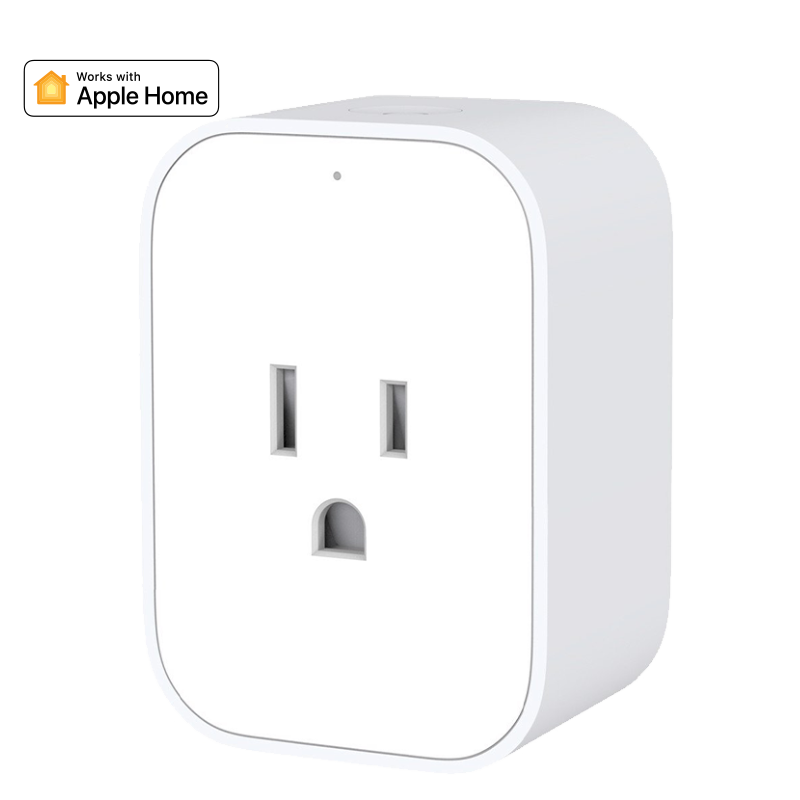
However, the understanding of “240V smart plug” varies significantly based on your geographical location. In many parts of the world, including Australia and most of Europe, 240V (or 220V-240V) is the standard household voltage. Here, numerous smart plugs are readily available, designed to operate at this voltage, typically handling currents up to 10A or 16A. For these regions, a 240V smart plug often offers a direct, plug-and-play solution for a wide array of domestic appliances.
Conversely, in North America, 240V is usually supplied as two 120V phases and is specifically reserved for high-amperage applications—often 20A, 30A, 40A, or even 50A—demanding distinct NEMA plug configurations. This distinction is critically important: standard smart plugs rated for 10A or 15A, even if they claim 100-240V compatibility, are generally unsuitable and unsafe for these high-amperage North American 240V appliances. Utilizing a low-amperage smart plug with a high-amperage appliance is a severe fire hazard and can cause significant damage to both the appliance and your home’s electrical system.
Integrating Smart Plugs for High-Power Needs
The objective of smartening high-power appliances extends beyond simple on/off control. It’s about gaining granular control, meticulously monitoring energy consumption, and implementing precise schedules to optimize usage.
Many universally compatible smart plugs, such as the Lukyamzn 10 Amp 100-240-Volt Smart Plug Mini, advertise support for 100-240V but are typically current-limited to 10-16 Amps. These devices are perfectly suited for standard 240V household items in regions where 240V is the norm, or for specific lower-power 240V applications. However, they are not engineered for the substantial amperage demands of a typical North American electric dryer or EV charger. Always scrutinize the amperage rating carefully.
How 240V Smart Plugs Work and What You Need to Get Started
The fundamental principle of a smart plug remains constant: it serves as a controllable intermediary between your appliance and the electrical outlet. Most smart plugs establish a connection to your home’s Wi-Fi network (or sometimes Zigbee/Thread) and are managed through a smartphone application or via voice commands to assistants like Amazon Alexa or Google Assistant. [cite: 2 (How To Use and Install Smart Plugs)]
However, for 240V applications, especially those requiring high amperage, the “plug” might not be a simple device that you pick up off the shelf. Here’s what you need to consider:
- Higher Amperage Ratings: Any 240V smart solution absolutely must meet or exceed the amperage rating of the appliance it is intended to control. For example, a typical electric clothes dryer commonly requires a 30A circuit.
- Specific Plug Types: In North America, 240V outlets are distinguished by various NEMA configurations (e.g., NEMA 14-30, NEMA 14-50) which are physically incompatible with 120V outlets. The smart plug or adapter selected must precisely match this specific configuration. [cite: 4 (120V vs 240V Outlets Explained)]
- Beyond Simple Plugs: For high-amperage 240V applications, the concept of a “smart plug” often evolves into more robust and integrated solutions.
“The biggest misconception about 240V smart plugs in North America is believing a universal voltage plug will work for all 240V appliances,” explains Dr. Anya Sharma, a seasoned electrical engineer. “While many smart plugs can indeed handle 240V, their amperage limit is typically 10-16A. High-power appliances like electric dryers, ovens, or EV chargers require 30A or more, necessitating specialized solutions that extend far beyond a standard plug.”
Navigating the Landscape: Finding and Installing Your 240V Smart Plug Solution
Identifying and implementing the correct 240V smart plug solution is heavily dependent on your specific needs and existing electrical infrastructure.
Direct 240V Smart Plugs (for lower amperage 240V)
For European, Australian, and other international markets where 240V is the standard household voltage and appliances typically draw 10A or 16A, a wide array of smart plugs is available. Products like the Wasserstein Smart Home 240-Volt 1-Outlet Indoor/Outdoor Smart Plug, rated for 10-16 amps and 100-240V, are prime examples of devices that can directly handle these loads. These are usually “plug-and-play,” involving a straightforward setup through their proprietary companion application. [cite: 1 (Wasserstein Smart Home 240-Volt 1-Outlet Indoor/Outdoor Smart Plug)]
North American High-Amperage 240V Solutions
For heavy-duty North American 240V appliances (20A, 30A, 40A+), dedicated and more sophisticated solutions are a must:
- Smart Circuit Breakers: These are circuit breakers with integrated smart technology. Professionally installed directly into your electrical service panel by a qualified electrician, they provide comprehensive control and energy monitoring for entire 240V circuits. This often represents the most robust and secure long-term solution.
- Contactor-Based Systems: For those with advanced DIY skills or seeking a custom solution, a 120V smart switch can be wired to control a 240V contactor. The contactor functions as a heavy-duty relay, switching the high-voltage 240V circuit based on the low-voltage command from the smart switch. It is imperative that this method is installed by a licensed electrician due to the significant electrical expertise required.
- Specialized Smart Power Distribution Units/Splitters: Innovative products, such as the VEVOR NEMA Splitter for Dryer and EV, offer a more accessible solution for very specific use cases. These units plug into an existing 240V NEMA outlet (like a dryer outlet) and intelligently manage power distribution between two high-power devices, such as a clothes dryer and an EV charger. They frequently include built-in overload protection, LCD screens for monitoring, and specific NEMA plug configurations. The VEVOR splitter, for example, is specifically designed for “smart sharing of 240V circuit for dryer” and EV charging, often marketed as requiring no electrician for its particular plug-and-play installation. [cite: 1 (VEVOR NEMA Splitter for Dryer and EV), 2 (VEVOR NEMA Splitter for Dryer and EV), 3 (EV Charger Dryer Outlet Sharing VEVOR NEMA Splitter For Dryer & EV Charging)]
Installation Guidance and Critical Safety Notes
For any 240V smart plug or system, safety is non-negotiable and paramount.
- Always Disconnect Power: Before initiating any installation, rigorously ensure that the power to the specific circuit is turned off at your main electrical panel.
- Match Amperage and Plug Type: Verify that the smart device’s amperage rating precisely matches or exceeds the appliance’s requirements and that the physical plug type is fully compatible.
- Professional Installation for Hardwired Solutions: For smart circuit breakers, contactor-based systems, or if you possess any uncertainty regarding any aspect of the installation process, it is strongly recommended to consult or hire a licensed electrician. [cite: 5 (Do I Need a 120 V or 240 V Outlet?)] Improper wiring of 240V circuits can lead to severe electrical shock, fire, and irreversible equipment damage.
- App Pairing: Once the physical installation is complete, proceed to set up your smart plug or device using its dedicated companion application. This typically involves connecting it to your home’s Wi-Fi network and subsequently integrating it with your preferred smart home platform (e.g., Amazon Alexa, Google Home). [cite: 2 (How To Use and Install Smart Plugs)]
Tips and Tricks for Maximizing Your 240V Smart Plug Utility
Once your 240V smart plug or system is seamlessly integrated, you can unlock a wealth of benefits:
- Comprehensive Energy Monitoring: Many advanced 240V solutions, and even some 100-240V smart plugs, incorporate energy monitoring capabilities. This allows you to track real-time power consumption, accurately identify which appliances are consuming the most energy, and pinpoint opportunities for cost savings. [cite: 2 (The Best Smart Plugs and Power Strips for 2025)]
- Strategic Scheduling for Off-Peak Hours: If your electricity provider offers variable-rate tariffs, you can program high-consumption appliances like electric water heaters or EV chargers to operate exclusively during off-peak hours, potentially leading to substantial reductions in your electricity bill.
- Effortless Remote Control and Voice Commands: Envision preheating your electric oven on your drive home, initiating your laundry cycle from another room, or pausing your EV charging with a simple voice command. Remote control and voice integration deliver unparalleled convenience.
- Intelligent Automation Routines: Seamlessly link your 240V smart plug with other smart home devices. For example, you could automate your electric water heater to activate when your smart thermostat detects you’re nearing home.
- Enhanced Safety Checks: Utilize the smart app to remotely verify if a high-power appliance was inadvertently left on, offering invaluable peace of mind when you are away from home.
“Smart plugs, particularly 240V solutions, transcend mere convenience; they are formidable tools for proactive energy management,” emphasizes Dr. Sharma. “By comprehending and effectively utilizing their monitoring and scheduling features, homeowners are empowered to make informed decisions that translate into substantial energy savings and a reduced environmental impact.”
The Benefits of 240V Smart Plugs: Power, Savings, and Peace of Mind
Integrating 240V smart plugs into your smart home ecosystem offers a compelling array of advantages:
- Optimized Energy Utilization: While 240V doesn’t inherently consume less energy than 120V for performing the same task, smart control empowers you to precisely manage when and for how long high-power appliances operate. This intelligent management can result in significant savings, especially when coupled with time-of-use electricity tariffs.
- Enhanced Safety Protocols: Advanced smart solutions often incorporate crucial features like overload protection and the ability to remotely shut off power, adding an invaluable layer of safety, particularly for large, high-current appliances. Smart circuit breakers, for instance, offer direct, circuit-level protection and continuous monitoring.
- Unrivaled Convenience: Command your heavy-duty appliances from virtually anywhere, schedule their operation with precision, and integrate them into sophisticated smart home routines for a truly automated and responsive lifestyle.
- Future-Proofing Your Residence: As the prevalence of high-power appliances and electric vehicle charging continues to grow, robust 240V smart solutions are becoming indispensable for constructing a modern, highly efficient, and future-ready smart home.
Advanced Features and Smart Home Ecosystem Integration
Contemporary 240V smart solutions are increasingly incorporating cutting-edge functionalities:
- Matter Compatibility: The innovative Matter standard is fundamentally transforming smart home interoperability. Devices that support Matter ensure seamless integration across diverse smart home ecosystems, including Apple HomeKit, Google Home, and Amazon Alexa, thereby safeguarding your investment for the future.
- In-Depth Analytics: Beyond rudimentary energy monitoring, some sophisticated systems offer comprehensive historical data, insightful trend analysis, and even estimated cost calculations, providing you with a much deeper understanding of your exact energy consumption patterns.
- Integration with Whole-Home Energy Management: Certain advanced systems enable 240V circuits to become an integral component of a holistic home energy management system. This facilitates balanced load management, optimizes solar power integration, and streamlines the overall energy flow within your residence.
FAQ
Can I use a regular smart plug with a 240V appliance?
No, not safely, particularly for high-amperage 240V appliances common in North America (such as electric dryers or ovens). Regular smart plugs are typically rated for 10A-15A, which is entirely insufficient for these devices and poses a significant fire risk. Always ensure that the amperage rating of the smart plug precisely matches or exceeds your appliance’s requirements. While universal voltage (100-240V) plugs exist, they are still limited by their specific amperage rating (e.g., 10-16A).
Are 240V smart plugs safe?
Yes, they are safe when correctly selected for the appliance’s specific voltage and amperage requirements and when installed in strict adherence to all applicable electrical codes. For high-amperage applications or hardwired solutions, professional installation by a licensed electrician is strongly recommended. [cite: 5 (Do I Need a 120 V or 240 V Outlet?)] Always prioritize safety and consult a qualified professional if you have any doubts.
What’s the difference between 120V and 240V for smart plugs?
The primary distinction lies in the voltage and, crucially, the amperage capacity they are designed to handle. 120V is the standard for most smaller household appliances. 240V is reserved for high-power appliances. In North America, 240V also implies substantially higher amperage (e.g., 30A for an electric dryer) and distinct plug configurations, necessitating specialized smart solutions that go beyond a typical plug. In many other global regions, 240V is the standard household voltage, making general-purpose smart plugs more common for lower-amperage 240V devices.
Do 240V smart plugs save money?
Yes, they absolutely can! While 240V appliances will inherently consume the same total wattage whether they are smart or not, smart plugs enable precise energy monitoring, accurate scheduling, and convenient remote control. This capability allows you to operate appliances during off-peak electricity hours (if applicable), eliminate unnecessary standby power consumption, and make well-informed decisions about your overall energy usage, which can lead to notable savings on your electricity bill.
Do I need an electrician to install a 240V smart plug?
For simple plug-and-play 10-16A 240V smart plugs (which are common outside North America for standard household items, or for very specific lower-power 240V items within North America), you might not. However, for high-amperage 240V North American appliances (such as electric dryers, ovens, or EV chargers) or for the installation of smart circuit breakers or contactor-based systems, a licensed electrician is strongly recommended, and often legally mandated, to guarantee safety and compliance with all prevailing electrical codes. [cite: 5 (Do I Need a 120 V or 240 V Outlet?)]
Conclusion
The journey towards a truly intelligent home extends far beyond conventional light bulbs and smart door locks. By proactively embracing the power of sophisticated 240V smart plug solutions, you can seamlessly integrate and extend intelligent control to your home’s most energy-intensive appliances. Whether your goal is to meticulously optimize your electric dryer’s operational schedule, intelligently manage your electric vehicle’s charging cycle, or simply gain profound insights into your household’s overall energy consumption, the precise 240V smart solution offers an unparalleled fusion of convenience, efficiency, and paramount safety. The future of advanced smart living is not just on the horizon—it is here, fundamentally powered by intelligent control over every essential volt.