Imagine a world where your appliances listen to you, where energy waste is a thing of the past, and your home proactively enhances your comfort and security. This isn’t science fiction; it’s the reality offered by the humble yet powerful 220v Smart Plug. For millions across Europe, Asia, Africa, and beyond, these devices are the gateway to a truly intelligent living space, transforming everyday electronics into smart, connected components.
At its core, a 220V smart plug is your personal conductor for a smarter home orchestra, designed specifically for the higher voltage electrical systems prevalent outside North America. No more rushing back to check if you turned off the iron or debating if the heater is running unnecessarily. With a 220V smart plug, you hold the power of remote control, automation, and insightful energy management right in your pocket.
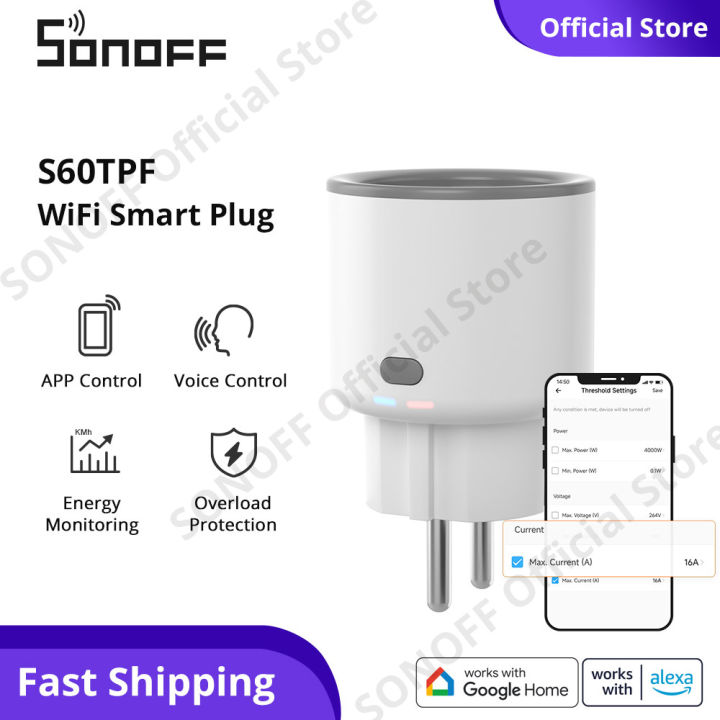
What is a 220V Smart Plug and Why Are They Important?
A 220V smart plug is a compact, Wi-Fi-enabled adapter that slots into your standard 220-240V wall outlet. It acts as a bridge, giving your “dumb” appliances a voice and a brain. Once connected, you can switch devices on or off, set schedules, and even monitor energy usage directly from your smartphone or with simple voice commands to your preferred smart assistant like Alexa or Google Home.
Why are these small devices so significant? They democratize smart home technology. Instead of investing in a suite of new smart appliances, a few 220V smart plugs can instantly elevate your existing toaster, lamp, or fan into part of a responsive, automated home ecosystem. They’re a practical, affordable, and impactful first step into the future of living.
“Choosing the right 220V smart plug is about more than just convenience; it’s about safeguarding your home and optimizing your energy usage. Always prioritize certified devices and understand their true load capabilities, especially for high-power appliances,” advises Dr. Anya Sharma, a leading expert in smart home energy systems.
How 220V Smart Plugs Work: The Science of Smart Power
The magic behind a 220v smart plug lies in its connectivity. Most smart plugs utilize your home’s 2.4 GHz Wi-Fi network, though some advanced models leverage Zigbee, Z-Wave, or the emerging Matter over Thread protocols for enhanced stability and interoperability. When you send a command from your smartphone app or speak to your smart speaker, the signal travels through your home network to the smart plug. The plug then acts as a digital switch, controlling the flow of electricity to the device plugged into it.
For these clever little gadgets to work, you generally need a stable 2.4 GHz Wi-Fi network, a smartphone or tablet to download the companion app, and the appliance you wish to control. Some systems may also benefit from a central smart home hub, especially for Zigbee or Z-Wave devices, which can extend range and improve reliability. However, many modern Wi-Fi smart plugs are “hub-less,” offering a straightforward plug-and-play experience.
Getting Started: A Step-by-Step Guide to Installing Your 220V Smart Plug
Setting up your 220v smart plug is remarkably simple, typically taking just a few minutes. Here’s how you can get your smart home journey off the ground:
- Unpack and Plug In: Remove your smart plug from its packaging and insert it directly into any standard 220V wall outlet. You’ll likely see an indicator light begin to flash, signaling it’s ready for pairing.
- Download the App: Scan the QR code in the smart plug’s manual or search your smartphone’s app store for the manufacturer’s dedicated application (e.g., Smart Life, Tuya Smart, Kasa, Tapo). Create an account or log in if you already have one.
- Initiate Pairing: Within the app, select “Add Device” or a similar option, then choose “Smart Plug.” The app will guide you through connecting to the plug’s temporary Wi-Fi network or confirming that its indicator light is flashing in a specific pattern.
- Connect to Your Home Wi-Fi: Enter your home’s 2.4 GHz Wi-Fi network password when prompted. Ensure your phone is also connected to the same 2.4 GHz band during setup for a smooth experience.
- Name and Customize: Once successfully connected, the app will prompt you to name your smart plug (e.g., “Living Room Lamp,” “Coffee Maker”). You can often assign a custom icon or even a photo for easy identification.
- Integrate with Voice Assistants: Open your Amazon Alexa, Google Home, or Apple HomeKit app. Enable the skill for your smart plug’s brand and discover devices. Now you can control your appliances with voice commands!
This process turns a regular outlet into a command center, making your devices instantly accessible and controllable from anywhere.
Maximizing Utility: Tips and Tricks for Your 220V Smart Plugs
A 220v smart plug is more than just a remote switch; it’s a tool for enhancing your daily life. Here are some ways to get the most out of yours:
- Smart Scheduling & Timers: Use the app to schedule your coffee machine to start brewing before you wake up, or set your bedside lamp to turn off automatically after you fall asleep. You can schedule holiday lights to illuminate at sunset and dim at sunrise.
- “Away” Mode for Security: Many smart plugs feature an “Away” mode, which randomly turns lights or other connected devices on and off, simulating occupancy to deter potential intruders while you’re out.
- Energy Monitoring: Many advanced 220V smart plugs (like the TP-Link Tapo P110M or Nous A1Z) offer energy monitoring. This feature tracks real-time power consumption, helping you identify “energy vampires” – devices that draw power even when turned off – and make informed decisions to reduce your electricity bill.
- Creating Scenes and Routines: Combine multiple smart plugs and other smart devices into “scenes.” For example, a “Good Morning” scene could turn on your bedside lamp, start the coffee maker, and even activate a smart speaker with the news.
- Controlling High-Power Appliances: For devices like water heaters, air conditioners, or washing machines, ensure your 220v smart plug has an appropriate amperage and wattage rating (e.g., 16A/3680W) and the correct plug type for your region (Type E/F for most of EU, Type G for UK, etc.). Always double-check manufacturer specifications to prevent overloading. Be aware that devices with motors (inductive loads) might require specific, heavy-duty smart switches or contactors, as some standard smart plugs may struggle with their unique power draw characteristics.
The Benefits of 220V Smart Plugs: Energy Savings, Enhanced Safety, and Ultimate Convenience
Integrating 220v smart plugs into your home offers a trifecta of advantages that significantly improve your living experience.
Energy Savings: A Smarter Way to Power Your Home
One of the most compelling benefits is the potential for significant energy savings. With energy monitoring features, you gain visibility into how much power your devices are actually consuming, empowering you to cut down on wasteful usage. Scheduling options ensure appliances are only on when needed, and the ability to remotely power off forgotten devices prevents unnecessary drain. By understanding and controlling your consumption, you can actively contribute to a greener planet and a lighter utility bill.
Enhanced Safety: Peace of Mind at Your Fingertips
Safety is paramount, especially when dealing with electricity. Reputable 220V smart plugs come equipped with crucial safety features like overload protection, which automatically cuts power if a connected device draws too much current, preventing overheating and potential fires. Overheat protection further safeguards against internal temperature rises. Many are also built with flame-retardant materials. The ability to remotely switch off appliances provides immense peace of mind, allowing you to instantly turn off a forgotten curling iron or stove from anywhere in the world.
Ultimate Convenience: Effortless Control and Automation
Imagine arriving home to a perfectly lit house, with your favorite music playing and the kettle just boiled. This level of convenience is made possible by smart plugs. Voice control allows hands-free operation, while app control means your home is always accessible from your smartphone. Automation through schedules and routines transforms mundane tasks into seamless experiences, giving you more time to enjoy what truly matters.
Advanced Features and Smart Home Ecosystem Integration
The world of 220V smart plugs is constantly evolving, bringing more sophisticated features and broader compatibility.
- Matter Certification: The latest trend is Matter certification, a universal standard designed to ensure seamless communication between smart home devices from different brands. Matter-certified smart plugs, like the Eve Energy or TP-Link Tapo P110M, offer unparalleled interoperability with major platforms like Apple HomeKit, Google Home, and Amazon Alexa.
- Zigbee and Z-Wave for Robust Networks: Beyond Wi-Fi, many 220V smart plugs utilize Zigbee or Z-Wave protocols. These create a mesh network, where each device can relay signals, extending the range and stability of your smart home system, especially beneficial for larger homes. Brands like Aqara, INNR, Aeotec, and Fibaro offer excellent options in these categories.
- Open-Source Firmware Compatibility: For tech enthusiasts, some 220V smart plugs (such as the Nous A1T or Shelly Plug Plus S) can be flashed with open-source firmware like Tasmota or ESPHome. This provides ultimate control and customization, allowing deep integration with platforms like Home Assistant for local-only, cloud-independent operation.
- Outdoor Smart Plugs: Don’t forget your garden or patio! IP44-rated outdoor 220V smart plugs, like the Nous A4Z/A4T or Ledvance SMART+ Outdoor Plug, can automate garden lights, fountain pumps, or even seasonal decorations, built to withstand splashes and dust.
Choosing the Right 220V Smart Plug: What to Look For
Selecting the ideal 220v smart plug for your needs involves a few key considerations:
- Safety Certifications: Always verify that the plug carries relevant certifications for your region, such as CE for Europe or ETL/UL for other markets if applicable. These ensure the product meets strict safety standards for electrical and fire hazards.
- Amperage and Wattage Rating: Crucially, match the smart plug’s maximum load capacity to the appliance you intend to control. For 220V systems, common ratings are 10A (2300W) or 16A (3680W). Overloading a plug can be a serious fire risk.
- Energy Monitoring: If you’re keen on tracking consumption and saving energy, choose a model that explicitly states it includes energy monitoring capabilities.
- Smart Home Ecosystem Compatibility: Ensure the plug works seamlessly with your existing smart home platform (Alexa, Google Home, HomeKit, SmartThings, Home Assistant) or the one you plan to build. Look for Matter certification for maximum future-proofing.
- Plug Type: 220V regions have various outlet types (Type E/F in mainland Europe, Type G in the UK, Type I in Australia, etc.). Make sure the smart plug’s physical design matches your wall sockets.
- Brand Reputation: Stick with established brands known for quality control and reliable customer support. User reviews can offer valuable insights into long-term performance and potential issues like overheating or sticky relays experienced with some cheaper models. Also, consider the plug’s own idle power consumption, as even a small draw can add up over time.
Frequently Asked Questions (FAQ)
Are 220V smart plugs safe to use?
Yes, 220v smart plugs are generally safe when they are certified by relevant authorities (like CE), used within their specified load limits, and connected to a secure Wi-Fi network. Always prioritize plugs with overload and overheat protection, and ensure their firmware is kept updated.
Can I use a 220V smart plug with my old appliances?
Absolutely! That’s one of their main benefits. As long as your appliance has a simple on/off switch and doesn’t exceed the smart plug’s electrical rating, you can plug it in and make it smart.
Do 220V smart plugs save money on electricity bills?
Many 220V smart plugs feature energy monitoring, allowing you to track consumption and identify energy-wasting devices. By setting schedules and remotely turning off forgotten appliances, they can definitely help reduce your electricity usage and, consequently, your bills.
What’s the difference between a smart plug and a smart switch?
A smart plug is an adapter that plugs into an existing wall outlet, controlling the device plugged into it. A smart switch, on the other hand, replaces your existing wall light switch and is typically hardwired, often controlling built-in lights or ceiling fans. Smart plugs offer easier installation and portability.
Do I need a hub for a 220V smart plug?
Many modern 220V smart plugs are Wi-Fi-enabled and do not require a separate hub. They connect directly to your home’s 2.4 GHz Wi-Fi network. However, plugs using Zigbee or Z-Wave protocols will generally need a compatible hub for full functionality. Matter-certified plugs aim to simplify this, working with various Matter controllers.
Conclusion
The 220v smart plug is an indispensable tool for anyone looking to step into the smart home revolution. Offering unparalleled convenience, significant energy savings, and enhanced safety features, these devices empower you to transform your living space without extensive renovations. From automating your daily routines to providing peace of mind when you’re away, smart plugs bring a new level of intelligence and control to your fingertips. Embrace the future of home automation – explore the world of 220V smart plugs and unlock your home’s full potential today.